-
Senior Member
registered user
Thanks, c123. My BIOS definitely allows booting from USB- BIOS considers it to be another "hard drive", so the boot order is currently:
1. Floppy
2. CDs
a. DVD reader
b. DVD+R/RW
3. HDs
a. USB key, [sda1/FAT32]
b. hda, including C:[hda2/NTFS] and D:[hda1/FAT32](factory recovery partition only)
c. hdb, including G:[hdb1/FAT32], [hdb5/ext2], [hdb6/linux swap]
So the USB is queued up to boot before Windows (C . In fact, I tried to follow the directions for a debian loader with syslinux (d-i.pascal.at), but it didn't work, so I have to take out the USB if I want to boot Windows, or I get a Debian boot error and it kernel panics all over my ass (I've since deleted those files). No doubt it's possible, as the method of doing a pre-version 3.4 USB poor man's is well documented. Problem is that version 3.4 and beyond boots in a different fashion, which is why the boot floppy script now creates 2 boot floppies instead of one, and the old process doesn't work any more (something about 3.4 lacking the boot.img, mkfloppy and rawrite2.exe files on the 3.4 CD, IIRC). I think I read that 3.4 uses isolinux.
jd
Similar Threads
-
By Radfahrer in forum Hdd Install / Debian / Apt
Replies: 0
Last Post: 07-07-2005, 04:29 PM
-
By gnarvaja in forum Hdd Install / Debian / Apt
Replies: 3
Last Post: 02-24-2005, 11:08 PM
-
By semreh in forum Hdd Install / Debian / Apt
Replies: 4
Last Post: 09-15-2004, 10:07 AM
-
By prehis in forum Hdd Install / Debian / Apt
Replies: 5
Last Post: 09-15-2004, 04:44 AM
-
By SalsaDoom in forum Hdd Install / Debian / Apt
Replies: 4
Last Post: 07-27-2004, 06:14 PM
 Posting Permissions
- You may not post new threads
- You may not post replies
- You may not post attachments
- You may not edit your posts
-
Forum Rules

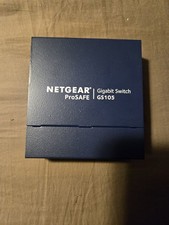
NETGEAR ProSafe 5-port Gigabit Switch GS105v5
$9.99
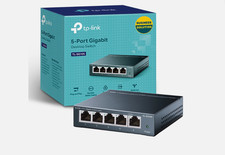
TP-Link 5-Port Gigabit Unmanaged Ethernet Switch Network Expansion TL-SG105
$19.95

Cisco Catalyst 2960-24TT-L 24-Port Fast Ethernet Managed Switch
$39.99
TP-Link TL-SG2210P 10-Port Gigabit Smart Switch w/ 8-Port PoE+ NO AC SKU 25597
$39.99
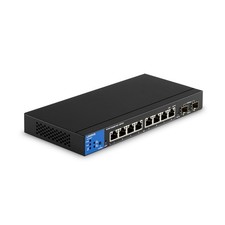
Linksys 8-Port Managed Gigabit PoE+ Switch 110W w/ 2 Uplink Gigabit - LGS310MPC
$49.02
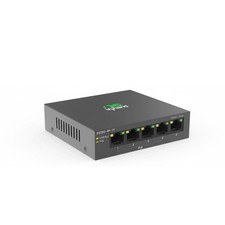
5Ports Gigabit Network Switch w/ 4 PoE+ Ports Total 52W each port 30W Plug&Play
$31.99
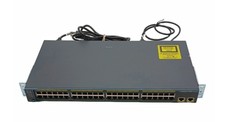
Cisco Catalyst 2960-48TT-L 48-Port Fast Ethernet Managed Rackmount Switch
$46.99
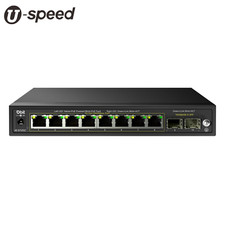
10-Port Gigabit PoE Network Switch with 8 PoE+ Ports with 2 Combo SFP Slots 125W
$69.99

NETGEAR 5-Port Gigabit Ethernet Unmanaged Switch (Gs305) - Desktop Quiet Fanless
$22.00

10-Port Gigabit PoE Network Switch with 8 PoE+ Ports with 2 Combo SFP Slots 125W
$39.99



 Reply With Quote