-
Senior Member
registered user
You are right CrashedAgain, I didnt mention that "form" of apt-get, but, if you want to "upgrade" a few things, you need to put that "shiopping list" all on the command line, it is a lot easier with the GUI of synaptic, and it will do the "command line" for you, adding the "shopping list" onto it, "behind the scenes".
I did the apt-get thing, a few times having as many as ten, to fifteen, "upgrade" packages on the command line, and I can easily say, synaptic is a lot better, in that regard. If we want to get "down to missing information", no one has mentioned the -s command line option of apt-get... If you feel something is going to "possibly" be dissasterous, you provide the -s option on the apt-get install command line, and apt-get will do a "dry run" or a "simulated" install, and hopefully, tell you before you bugger your system with what you are attempting. If the "simulate" appears to go OK, then, just remove the "-s", and do the command again, doing it for real.
apt-get is, by far, the best way of getting packages, finding them, checking on new releases, searching for something, checking for dependancies, and even testing what they may break, but a front-end is not shabby either... 
Similar Threads
-
By Coorme in forum General Support
Replies: 2
Last Post: 07-13-2004, 07:14 AM
-
By bubazoo in forum Hdd Install / Debian / Apt
Replies: 1
Last Post: 11-21-2003, 05:19 PM
-
By datakid in forum General Support
Replies: 0
Last Post: 11-07-2003, 07:46 AM
-
By Wishmaster in forum Hdd Install / Debian / Apt
Replies: 1
Last Post: 08-23-2003, 07:05 PM
-
By Tortoise in forum Hdd Install / Debian / Apt
Replies: 2
Last Post: 05-30-2003, 06:03 AM
 Posting Permissions
- You may not post new threads
- You may not post replies
- You may not post attachments
- You may not edit your posts
-
Forum Rules

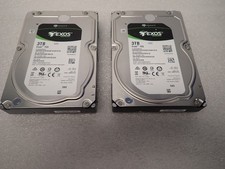
(2) Seagate SAS Hard Drive Exos 7E8 3TB 7200RPM 128MB 12Gb/s 3.5 ST3000NM0035
$49.99
Seagate BarraCuda ST3000DM008 3TB Internal SATA 6Gb 3.5" Hard Drive 7200RPM 64MB
$91.99
Dell EMC WD-HITACHI H5H72101CLAR10T0 10TB 7.2K SAS 12Gb/s SED 3.5in A POH 0-50k
$189.99
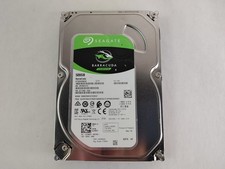
Seagate ST500DM009 BarraCuda 500 GB 3.5" SATA III Desktop Hard Drive
$14.99
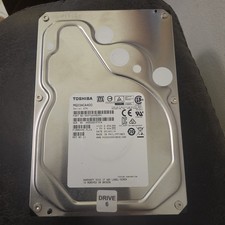
Toshiba MG04ACA400 4TB 3.5-inch SATA 6 Gb/s 7,200 RPM Internal Hard Drive
$49.99
Seagate ST28000NM001C 28TB 256MB 7200RPM 3.5" SATA 6.0Gb/s Enterprise Hard Drive
$669.99
Toshiba 14TB MG07 MG07ACA14TEY 7.2K RPM SATA 6Gb/s 512e 3.5" Enterprise HDD
$299.00
ST6000NM0034 DELL 6TB 7.2K 12G SAS 512E 3.5" ENTERPRISE HARD DRIVE 8D1V4 08D1V4
$54.99
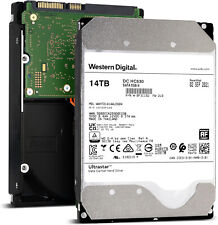
WD Ultrastar DC HC530 14TB SATA 6G 3.5" 7200RPM Enterprise HDD - WUH721414ALE604
$329.99
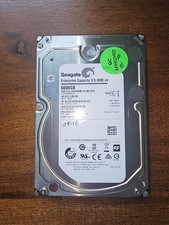
Seagate 6TB HDD ST6000NM0034 7.2K 3.5" SAS 12Gb/s (NOT FOR PC - FOR SERVER ONLY)
$87.00



 Reply With Quote