-
Senior Member
registered user
apt-get and dpkg commands I use:
raid517,
As far as your KDE control center problem, I have three versions of KDE and the control center is slightly different in all three, so richenbacherus' idea of booting up your cd and looking at the layout is probably the best idea.
As far as apt-get and dpkg, the commands I use are:
apt-get update #to update the package list using the deb URI's in /etc/apt/sources.list
apt-get upgrade #to upgrade installed packages
apt-get dist-upgrade #to upgrade installed packages and libraries with a version change
apt-cache search #usually used piped to grep ex:
apt-cache search | grep packagename #if you used xfonts for the packagename it would list all packages with xfonts in name or description
apt-get install packagename #install package name (use name from apt-cache output not filename downloaded ex: mozilla not mozilla-1.2.1-0woody1-i386.deb)
apt-get -t testing install packagename #install package from testing depository (or -t stable or -t unstable) used if you have stable, testing, and unstable sources listed (also look into apt-pinning)
apt-get remove packagename ...
dpkg --force-overwrite -i packagename #install package using dpkg when apt-get fails because of dependency errors because a file is listed in more than one package (such as going from kde3.0 to 3.1) Note: using this you have to specify the filename and either be in the directory where the file is or use full path, apt-get save downloaded files in /var/cache/apt/archives.
dpkg --configure -a #will make sure all packages are configured after installation
dpkg -l #will list all installed packages, usually piped to grep if you are looking for a specific package, note packagenames are truncated by default so you may not see the entire packagename
NOTE:
if you get stuck in an apt-get dist-upgrade problem, ie. apt-get dist-upgrade errors out, you will then have to use dpkg --force-overwrite on the packages that are causing problems, once they are installed you then have to go back and run apt-get dist-upgrade again, if it errors out again use dpkg --force-overwrite on the packages that are causing problems, then run apt-get dist-upgrade, repeat cycle until finished. This is NOT needed much, mainly for things like KDE, maybe gnome, etc., multiple package stuff, where a file was in one package in a previous release and now has been moved to a different package in the new release or two different packages contain the same file.
HTH
rock
Similar Threads
-
By fingers99 in forum Hdd Install / Debian / Apt
Replies: 2
Last Post: 03-08-2005, 12:46 AM
-
By jodef in forum Hdd Install / Debian / Apt
Replies: 4
Last Post: 07-21-2004, 02:53 AM
-
By allenf in forum General Support
Replies: 1
Last Post: 01-08-2004, 10:27 PM
-
By wk in forum Customising & Remastering
Replies: 1
Last Post: 09-06-2003, 06:44 PM
-
By dowser in forum General Support
Replies: 4
Last Post: 12-02-2002, 01:25 PM
 Posting Permissions
- You may not post new threads
- You may not post replies
- You may not post attachments
- You may not edit your posts
-
Forum Rules

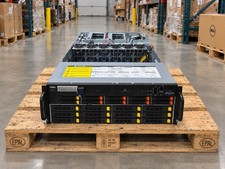
Gigabyte 4U AI Server 10x Nvidia GPU 2x Xeon Gold 6150 36 Core 2.7GHz DDR4 RAM
$1625.00
Dell EMC PowerEdge R440 Xeon silver 4215 2.5GHz 16 GB ram 2x 550W PSU No HDD
$275.00
Microsoft Windows Server 2025 Standard 64Bit 16 Core-50 CALs DVD With Key Sealed
$49.99
867959-B21 HPE ProLiant DL360 G10 CTO Server W/ 2x 865414-B21 1x 840140-001
$245.00

Dell PowerEdge C4130 1U AI GPU Server | 2x E5-2680 v3 | 32gb Ram | 2x 1600W
$409.99
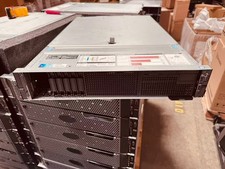
Dell EMC PowerEdge R740 8 Bay Server w/ 32GB RAM 2x GOLD 6132 2x 1600W PSU H730p
$499.88
Dell Poweredge R730xd 12LFF 2*2660v4 4*1Gbe h730 2x 750W Server CTO
$488.00

Dell PowerEdge R730XD 28 Core Server 2X Xeon E5-2680 V4 H730 32GB RAM No HDD
$378.93
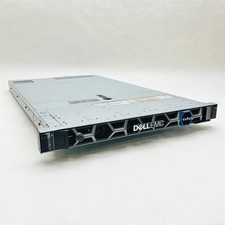
Dell EMC VxRail E560F 10-SFF 2*Gold 6230R 2.1GHz No RAM HBA330 iDrac Ent Server
$349.99
Dell Poweredge R630 2x Xeon E5-2680 v3 2.5ghz 24-Core | HBA330 | No RAM or HDD
$149.99



 Reply With Quote