

 Reply With Quote
As long as the drives are safely unmounted thats fine.Originally Posted by futfutfut
Just might build up a bad habit.


Ive been using Knoppix for about a year. I run it live from the cd. When I'm done I just make sure all drives are unmounted and simply hit the power button. Its never seemed to be a problem ...and it takes so long to properly log out-so I continue to do it this way.
Is this bad for some reason?
As long as the drives are safely unmounted thats fine.
Just might build up a bad habit.
if you read the shutdown scripts that is esentialy what they do. (extract from my slackware install below).
as you see the things it does are quite well comented, just put # infront of all lines you do not need and it would speed things up (i would not remove them, easyer to repair mistakes if it is just comented out.).# Carry a random seed between reboots.
echo "Saving random seed from /dev/urandom in /etc/random-seed."
# Use the pool size from /proc, or 512 bytes:
if [ -r /proc/sys/kernel/random/poolsize ]; then
dd if=/dev/urandom of=/etc/random-seed count=1 bs=$(cat /proc/sys/kernel/rando
m/poolsize) 2> /dev/null
else
dd if=/dev/urandom of=/etc/random-seed count=1 bs=512 2> /dev/null
fi
chmod 600 /etc/random-seed
# Before unmounting file systems write a reboot or halt record to wtmp.
$command -w
# Clear /var/lock/subsys.
if [ -d /var/lock/subsys ]; then
rm -f /var/lock/subsys/*
fi
# A function to deactivate LVM volume groups:
deactivate_lvm() {
if [ -r /etc/lvmtab -o -d /etc/lvm/backup ]; then
echo "Deactivating LVM volume groups:"
if cat /proc/sys/kernel/osrelease | cut -f 1,2 -d . | grep -q -w 2.4 2> /dev
/null ; then
/sbin/vgchange -an
else
/sbin/vgchange -an --ignorelockingfailure
fi
sleep 10
fi
}
# Turn off swap, then unmount local file systems.
echo "Turning off swap."
swapoff -a
sync
echo "Unmounting local file systems."
# Don't remount UMSDOS root volumes:
if [ ! "$(mount | head -n 1 | cut -d ' ' -f 5)" = "umsdos" ]; then
umount -a -t nonfs,noproc,nosysfs
deactivate_lvm
umount -a -r -t nonfs,noproc,nosysfs
echo "Remounting root filesystem read-only."
mount -n -o remount,ro /
else
umount -a -t nonfs,noproc,nosysfs,noumsdos,nosmbfs
deactivate_lvm
umount -a -r -t nonfs,noproc,nosysfs,noumsdos,nosmbfs
fi
# This never hurts:
sync
# sleep 1 fixes problems with some hard drives that don't
# otherwise finish syncing before reboot or poweroff
sleep 1
# This is to ensure all processes have completed on SMP machines:
wait
if [ -x /sbin/genpowerd ]; then
# See if this is a powerfail situation:
if egrep -q "FAIL|SCRAM" /etc/upsstatus 2> /dev/null ; then
# Signal UPS to shut off the inverter:
/sbin/genpowerd -k
if [ ! $? = 0 ]; then
echo
echo "There was an error signaling the UPS."
echo "Perhaps you need to edit /etc/genpowerd.conf to configure"
echo "the serial line and UPS type."
# Wasting 15 seconds of precious power:
sleep 15
fi
fi
fi# Now halt (poweroff with APM or ACPI enabled kernels) or reboot.
if [ "$command" = "reboot" ]; then
echo "Rebooting."
reboot
else
poweroff
fi
mine would look as below (the red AND bold#'s)
hope this help you some.# Carry a random seed between reboots.
echo "Saving random seed from /dev/urandom in /etc/random-seed."
# Use the pool size from /proc, or 512 bytes:
if [ -r /proc/sys/kernel/random/poolsize ]; then
dd if=/dev/urandom of=/etc/random-seed count=1 bs=$(cat /proc/sys/kernel/rando
m/poolsize) 2> /dev/null
else
dd if=/dev/urandom of=/etc/random-seed count=1 bs=512 2> /dev/null
fi
chmod 600 /etc/random-seed
# Before unmounting file systems write a reboot or halt record to wtmp.
$command -w
# Clear /var/lock/subsys.
if [ -d /var/lock/subsys ]; then
rm -f /var/lock/subsys/*
fi
# A function to deactivate LVM volume groups:
#deactivate_lvm() {
# if [ -r /etc/lvmtab -o -d /etc/lvm/backup ]; then
# echo "Deactivating LVM volume groups:"
# if cat /proc/sys/kernel/osrelease | cut -f 1,2 -d . | grep -q -w 2.4 2> /dev
#/null ; then
# /sbin/vgchange -an
# else
# /sbin/vgchange -an --ignorelockingfailure
# fi
# sleep 10
# fi
#}
# Turn off swap, then unmount local file systems.
echo "Turning off swap."
swapoff -a
sync
echo "Unmounting local file systems."
# Don't remount UMSDOS root volumes:
if [ ! "$(mount | head -n 1 | cut -d ' ' -f 5)" = "umsdos" ]; then
umount -a -t nonfs,noproc,nosysfs
# deactivate_lvm
umount -a -r -t nonfs,noproc,nosysfs
echo "Remounting root filesystem read-only."
mount -n -o remount,ro /
else
umount -a -t nonfs,noproc,nosysfs,noumsdos,nosmbfs
deactivate_lvm
umount -a -r -t nonfs,noproc,nosysfs,noumsdos,nosmbfs
fi
# This never hurts:
sync
# sleep 1 fixes problems with some hard drives that don't
# otherwise finish syncing before reboot or poweroff
sleep 1
# This is to ensure all processes have completed on SMP machines:
#wait
#if [ -x /sbin/genpowerd ]; then
# # See if this is a powerfail situation:
# if egrep -q "FAIL|SCRAM" /etc/upsstatus 2> /dev/null ; then
# # Signal UPS to shut off the inverter:
# /sbin/genpowerd -k
# if [ ! $? = 0 ]; then
# echo
# echo "There was an error signaling the UPS."
# echo "Perhaps you need to edit /etc/genpowerd.conf to configure"
# echo "the serial line and UPS type."
# # Wasting 15 seconds of precious power:
# sleep 15
# fi
# fi
#fi# Now halt (poweroff with APM or ACPI enabled kernels) or reboot.
if [ "$command" = "reboot" ]; then
echo "Rebooting."
reboot
else
poweroff
fi
if not let me hear.
 Posting Permissions


(New) AMD Ryzen 7 5700X 8 Core 16 Thread AM4 Unlocked 3.4 GHz CPU OEM Tray
$174.99
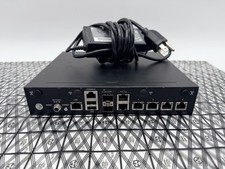
OPNsense Firewall 8-Core Atom C3758 4GB DDR4 RAM 64GB SSD 8x 1Gbe QAT AES-NI VPN
$95.00

AMD Ryzen 7 PRO 8700GE 8-Core/16-Thread Up to 5.1GHz AM5 (FL1)
$175.00
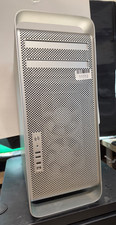
Apple Mac Pro (A1186, "8Core" 2007)Xeon X5365-4GB Ram 1TB HDD OS XLeopard NVIDIA
$274.99
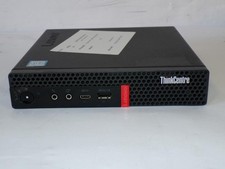
Lenovo ThinkCentre M720Q Core i5-8500T 2.10GHz 8GB 128GB SDD W11 Mini PC (Z3675)
$125.96

AMD Ryzen 7 5800X3D 8-core, 16-Thread Desktop Processor
$300.00

AMD Ryzen 7 9850X3D 8-Core 16-Thread 5.6GHz 120W AM5 CPU 100-100001973WOF
$435.99

HP - OmniBook 3 - 14" 2K OLED Laptop - Snapdragon X (8-Core CPU) - 8GB Memory...
$399.99
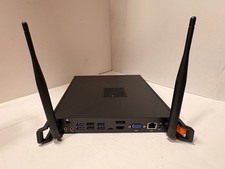
Clear Touch Interactive Module CTI PCMOD PC55 ST i5 6core,8GB DDR4,256GB SSD NEW
$225.00
LG Gram 13.3" Laptop - Intel Core i5-8250U, 8GB RAM, 256GB SSD (13Z980-U.AAW5U1)
$300.00