-
Senior Member
registered user
When I use the term X-terminal I am talking about running a (small) local OS on a machine that basically has a base linux system, networking and X. It is NOT booting off of a remote computer it is running as a terminal that is running X (therefore the name X-terminal) that is operating only as a display device. With X-terminals all applications and storage are on your server, which I like to call the application server.
When true1ever uses the term thin-client he is talking about the same thing as I am, in linux or unix terms what we are doing is generally called running X-terminals. I think that the term thin-client can actually be used in both an X-terminal system and also a LTSP or knoppix terminal-session for the terminal device.
The difference is X-terminals are functioning as display devices attached to a remote computer, the application server.
With remote booting LTSP or knoppix terminal-server, the terminals are more than just a terminal, they are running the full linux operating system (which is on the server), they are not just display devices, they have to be capable of running the entire OS.
A.J.G. I've gone through this before with you about hardware, it depends on how many users and what you are doing. A 1GB machine with 512MB of ram and a large swap partition 256 or larger on a fast network should easily support 12 or so users depending on what you are doing, you'll have to experiment. A friend's business which uses star-office for microsoft office docs, netscape, etc. runs at least 6 users and is running off of a 200Mhz machine with 160MB of ram.
In an hour you could set up one of your existing labs with knoppix runnning entirely from cd doing what we are discussing here. Try it and see how it works, that would be the best thing for you to do at this point. Then realize that with a hd install it would be faster.
rock
Similar Threads
-
By dariuzzz in forum General Support
Replies: 1
Last Post: 09-21-2004, 06:37 PM
-
By knewbex in forum The Lounge
Replies: 31
Last Post: 09-10-2004, 03:26 AM
-
By Lucia in forum MS Windows & New to Linux
Replies: 1
Last Post: 08-16-2004, 12:11 AM
-
By jeremymeindl in forum Hdd Install / Debian / Apt
Replies: 1
Last Post: 05-29-2004, 01:06 AM
-
By empanyc in forum General Support
Replies: 4
Last Post: 04-01-2004, 10:23 AM
 Posting Permissions
- You may not post new threads
- You may not post replies
- You may not post attachments
- You may not edit your posts
-
Forum Rules

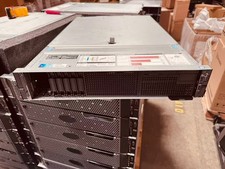
Dell EMC PowerEdge R740 8 Bay Server w/ 32GB RAM 2x GOLD 6132 2x 1600W PSU H730p
$499.88
Dell Poweredge R630 2x Xeon E5-2680 v3 2.5ghz 24-Cores / 64gb / Raid / 2x 1Tb
$374.99
Dell EMC PowerEdge R440 Xeon silver 4215 2.5GHz 16 GB ram 2x 550W PSU No HDD
$275.00
DELL POWEREDGE R340 Server | Xeon E-2126G 64GB RAM PERC H330 (Onboard)
$399.95

Dell PowerEdge C4130 1U AI GPU Server | 2x E5-2680 v3 | 32gb Ram | 2x 1600W
$449.99
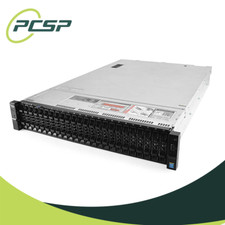
Dell PowerEdge R730XD 28 Core Server 2X Xeon E5-2680 V4 H730 32GB RAM No HDD
$381.93
Dell Poweredge R730xd 12LFF 2*2660v4 4*1Gbe h730 2x 750W Server CTO
$308.00
Dell PowerEdge R540 1x Intel Xeon Silver 4116 Server 8Gb Ram No HDDs
$425.00
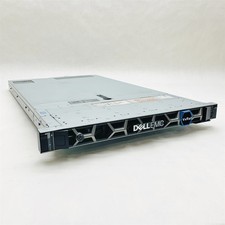
Dell EMC VxRail E560F 10-SFF 2*Gold 6230R 2.1GHz No RAM HBA330 iDrac Ent Server
$349.99

Dell PowerVault DL2200 2x Xeon E5620 24GB RAM H700 2x500GB SAS RAID1
$199.00



 Reply With Quote