-
Junior Member
registered user

Originally Posted by
probono
"Next generation" klik (
http://klik.atekon.de) addresses these questions:
Yes, some of the more sophisticated packages with many dependencies can already be kliked (such as koffice).
klik does not aim to handle the dependency database client-wise, instead it uses apt on the server ("serverside-apt").
Please forgive my ignorance of jargon, as I'm not a developer. Just a poor guy who doesn't like Windows much...
Are you saying that you keep all the dependency information on a centralised "klik" server, and the guest client activates some program(s) on that server upon "kliking" that handle the dependencies as a remote request?
So the database of packages in your "klik" server (for want of a better term) is not mirrorred in the client's machine as is done with apt-dpkg/ipkg & rpm-yum/urpmi/YaST but queried by the client to the server every time?
If that is the case, then what about bandwidth problems? won't you have a lot of clients doing it at once? What about people with slow network connections?
Dependency handling can be done very elegantly that way. A bigger concern (and the reason why LyX can't be kliked yet) is that some apps rely on hardcoded paths such as /usr, or even worse, need to have hundreds of configuration subfolders in place (gconf, which is used by evolution).
So you will have to change 'em all manually in the source code. That doesn't seem practically doable by one person or one small team as some of those source codes are *HUGE* and took years to build. That does sound like a bit of a snag there.
Anyways, so how many people are working on this "klik" thingie besides you?
What's the group dynamic like, or is it just one chap? How rapid is the development/updating/bugfixing process? How is the whole process organised?
Similar Threads
-
Replies: 1
Last Post: 03-30-2005, 07:46 AM
-
By glimpse in forum General Support
Replies: 1
Last Post: 03-29-2005, 01:43 AM
-
Replies: 210
Last Post: 12-04-2004, 03:04 PM
-
Replies: 0
Last Post: 11-28-2004, 08:59 PM
-
By Sgeo in forum General Support
Replies: 1
Last Post: 11-25-2004, 04:20 PM
 Posting Permissions
- You may not post new threads
- You may not post replies
- You may not post attachments
- You may not edit your posts
-
Forum Rules

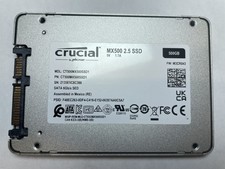
Crucial MX500 500GB 2.5" SATA III Internal SSD CT500MX500SSD1
$52.99
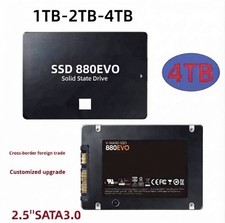
SSD 880EVO SATA III 2.5 4TB INTERNAL STATE DRIVE
$214.99
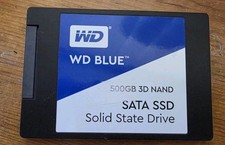
Western Digital Blue 3D NAND 500GB Internal 2.5" (WDS500G2B0A) SSD
$43.99
Samsung 860 EVO 250GB, SATA III, 2.5" Internal Solid State Drive - Black...
$30.00
Western Digital WD Blue 3D NAND 500GB 2.5in SATA III Internal SSD WDS500G2B0A
$41.99
M.2 SATA SSD 2280 128GB 256GB 512GB major brands | Very Good health
$19.49
2 PACK 128 GB SSD M.2 2280 SATA Solid State Drive Major Brands, Samsung, LiteON
$28.80
M.2 NVMe SSD 2280 Single Notch 128GB 256GB 512GB | Very Good health
$38.99
Samsung 860 EVO 250GB SSD MZ-76E250 2.5" SATA III Solid State Drive
$39.99
128TB External SSD Solid State Drive Hard Drive Disk PC Phones Mac Games Videos
$123.90



 Reply With Quote