-
Senior Member
registered user

Originally Posted by
Durand Hicks
I normally type startx --:1 in the chrooted environment without any modifications whatsoever. The window should display in the eighth virtual terminal (vt

. As for the authentication issue, turn off x authentication in /etc/X11/xdm/xdm-conf, and you won't have to mess with xhost or xauth.If you use kdm or gdm, they each have a config file in /etc/X11/kdm/kdm-config or /etc/X11/gdm/gdm/gdm-config, respectively. Xauth uses authentication from your current enviroment, i think, so it might have flowed thru to the chroot enviroment, but I'm not totally sure of this. I normally turn it off at both ends to prevent this sort of thing for troubleshooting purposes. When done, you might want to turn it back on, if you desire the security of your X sessions.
Thanks for the info. My situation is a bit odd. I started a VNC server from the hosting rootfs and vnc into it. Then I chroot into another rootfs and tried to run X apps there. The hosting rootfs in this case don't even have a session manager(xdm etc.). What is even more complicated, I need to "su" into a normal user in this chrooted environment first before running the X apps.
This whole authentication system of X is still very confusing to me. I googled around and it seems that I can mount --bind /tmp into the chroot so as to directly use the X socket created there.
At the moment, I just bypass all this and start the vnc server within the chrooted environment, but still learning how to do it as that seems to be a pretty standard requirment of chrooting into other rootfs(under X) and run X apps, so a proper solution will help in the future.
Similar Threads
-
By Sephiroth? in forum Customising & Remastering
Replies: 1
Last Post: 04-25-2006, 12:55 AM
-
By dvryknopper in forum General Support
Replies: 1
Last Post: 03-31-2006, 05:56 AM
-
By gursharnsingh in forum Customising & Remastering
Replies: 2
Last Post: 01-15-2004, 09:38 PM
-
By rdmelin in forum Customising & Remastering
Replies: 4
Last Post: 08-20-2003, 02:27 PM
-
By sminotti in forum Hdd Install / Debian / Apt
Replies: 2
Last Post: 08-07-2003, 07:46 PM
 Posting Permissions
- You may not post new threads
- You may not post replies
- You may not post attachments
- You may not edit your posts
-
Forum Rules

Lenovo ThinkPad L13 Yoga Touch Laptop 13.3” Core i5 8GB RAM 256GB SSD Win 11 Pro
$239.99
Lenovo ThinkPad T14 Gen 2a 8-Core Ryzen Pro 7 5850U 1.90GHz 512GB SSD 16GB RAM
$300.00
Lenovo ThinkPad E14 Gen 3 Laptop 14” FHD AMD Ryzen 5 16GB RAM 512GB SSD Win 11
$374.99
Lenovo ThinkPad L15 Gen 3 15.6" 16GB, Thunder Black
$241.50
Lenovo ThinkPad E14 Gen 2 Laptop 14” HD Ryzen 5 16GB RAM 512GB SSD Win 11 Pro
$319.99
Lenovo Thinkpad T14 Gen 2i 14" 16GB 512GB, Black
$313.00
Lenovo ThinkPad L14 Gen 3 14" FHD Laptop i5 12th Gen 16GB RAM 256GB SSD Win 11
$329.99
Lenovo ThinkPad T14 Gen 1 14" AMD Ryzen 5 16GB 256GB SSD
$219.99
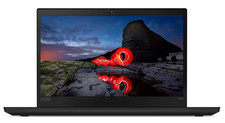
Lenovo ThinkPad T495 14” Laptop AMD Ryzen 5 PRO 16GB RAM 256GB SSD Windows 11
$229.99
Lenovo ThinkPad L15 Gen 3 15.6" 16GB, Thunder Black
$241.50



 Reply With Quote