-
Junior Member
registered user
THANKS, PHIL. I hope you get honorable mention here. In fact, I hope you get moved onto the "front page" under a "Knowing Knoppix" category. I'm running Knoppix 3.7 on a laptop using sudo knoppix-installer on a dedicated hard drive , and also on my Windows 2000 (fat32) desktop, using the Knoppix TOHD and FROMHD cheatcodes. I read your section on "finding Permanence", and hooked up an old 4.3GB drive in a USB enclosure to my desktop. Then I read your section on advanced startup, and used the TOHD cheatcode to copy the cd image to my Windows drive as a regular windows folder. This makes the boot sequence considerably faster, and frees up the CD drive. Please check out my post under the General topic "Windows & linux on the same HD" One consequence of this is that I cannot use the same partition for a swap file . Knoppix seems to mount my Windows drive (/dev/hda1) as a "read only cdrom", and so I lose write access. I actually consider that a safety feature.
Also, I not only created a 2GB linux partition for my Persistent Home Directory on the USB drive, I also created a 1GB "Linux Swap File" on a 2nd partition . I saw the section in your book about the swap file, but I think having a larger one improves performance as well. I have 384 MB ram, but I notice that knoppix creates a 301mb ramdisk when it boots, so it seems to leave 84mb for general use, then takes the rest for it's ramdisk. I wonder if you could explore what Knoppix uses it's ramdisk for, and also check on whether a swap file bigger than 128MB is really a waste or not. I put the knoppix cd in the cd drive on my desktop, key "knoppix fromhd=/dev/hda1 home=/dev/sda1", press enter, then take the cd out when Knoppix accesses the cdrom image from /dev/hda1. Knoppix sees the swap file automatically at /dev/sda2, and I'm off and running.
At any rate , keep up the good work, AND THANKS AGAIN FOR ALL YOUR HARD WORK !

Similar Threads
-
By SteveH_66 in forum General Support
Replies: 3
Last Post: 10-02-2005, 01:17 AM
-
By beforewisdom in forum General Support
Replies: 5
Last Post: 01-05-2005, 02:35 AM
-
By visitor in forum Networking
Replies: 1
Last Post: 12-18-2004, 01:42 AM
-
By Mlight in forum General Support
Replies: 1
Last Post: 06-16-2004, 04:39 PM
-
By counterzone in forum General Support
Replies: 30
Last Post: 05-05-2004, 03:36 PM
 Posting Permissions
- You may not post new threads
- You may not post replies
- You may not post attachments
- You may not edit your posts
-
Forum Rules

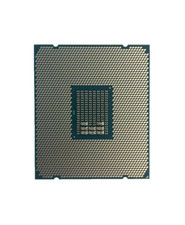
INTEL XEON E5-2680V4 SR2N7 2.40GHZ CPU
$11.00
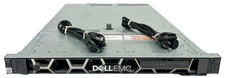
Dell EMC PowerEdge R440 Xeon silver 4215 2.5GHz 16 GB ram 2x 550W PSU No HDD
$275.00

Dell Precision Tower 7810 Xeon E5-2630 v3 @ 2.40GHz , 32GB Ram, NO HDD, NO OS
$239.99
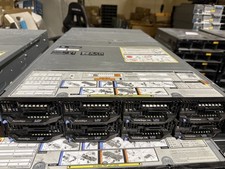
Dell PowerEdge FX2s + 8x FC430 Blades 16x E5-2630v4 160 Cores Rails No PSU/RAM
$699.00
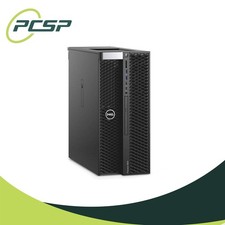
Dell Precision T5820 Workstation 3.70GHz W-2135 No RAM/ GPU/ HDD/ OS
$179.98
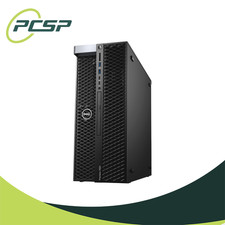
Dell Precision T7820 2x Xeon Silver 4114 2.20GHz 950W No RAM GPU HDD 4x SATA
$350.48
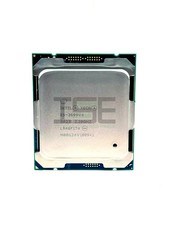
Intel Xeon E5-2699 V4 2.20GHz 55M 22-CORES LGA2011-3 Server Processor 145W SR2JS
$84.49
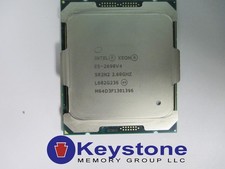
Intel Xeon E5-2690 v4 SR2N2 14 Core 2.6GHz 35MB LGA2011-3 CPU *km
$15.99
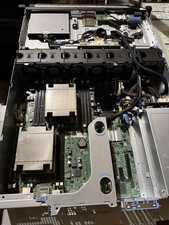
Dell PowerEdge R530 2x E5-2630v4 H330 iDRAC8 Port Card Riser No PSU/RAM/HDD
$99.99
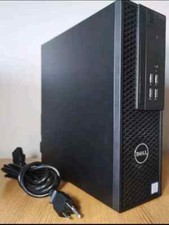
DELL Precision T3420 | Xeon 1240v6 | 525GB SSD |16GB RAM |Nvidia GPU |Win11
$149.00



 Reply With Quote