

 Reply With Quote
You can remove it with:Code:su update-rc.d ssh defaults
Code:update-rc.d -f ssh remove


Hi. I'm new to the whole linux / Knoppix scene and wanted to know how I can automatically startup a ssh server after booting. I have already successfully installed to my Hard Drive. I'm using Knoppix 3.4 I think.
Thanks a bunch!
CJackson0
You can remove it with:Code:su update-rc.d ssh defaults
Code:update-rc.d -f ssh remove
It worked perfectly. Thanks a bunch!
So what did that do and why?
update-rc.d is the debian way of managing services and daemons started by the init scripts. defaults sets up services to start and stop at certain points when changing runlevels. For ssh update-rc.d ssh defaults is the same as typing: update-rc.d ssh start 20 2 3 4 5 . stop 20 0 1 6 .
man update-rc.d will give you a better explanation.
ls -l /etc/rc5.d shows you what services are started and stopped and in which order at the graphical runlevel.
You can also manually edit this stuff although update-rc.d is easier.
/etc/rc5.d is the run control directory for run level 5 (graphical boot)
There are shortcuts in there which link to startup scripts usually in /etc/init.d. They are anme beginning with a capitol S or K (s for start and k for kill) folowwed by a two-digit number. The number determines the order in which the scripts are executed, highes number goes last.
You can create new links in this folder with the ln -s command like this.
ln -s /etc/init.d/ssh /etc/rc5.d/S90ssh
other runlevels-
rc2.d is for text mode boot without networking
rc3.d is for text mode boot with networking
rc1.d is single user (maintenance) mode and generally not much is run at this run level
I think 6 is for shutdown, not too sure about 4.
One of the things I always liked about Linux/Open Source is that it always is about learning. Check the /etc/inittab file for details on what each level does. It contains a lot more information. Check also the man page: man inittab, which will help you iinterpret each line.Originally Posted by arkaine23
If you are not sure what those levels are, just check the directories and a simple ls should reveal what services are started and which ones are stoped upon exit.
Once you learn to read the scripts, it is a very educating exercise.
--GN
Thanks for the help all! I might just be inquisitive enough to try and figure all this out. And then when I wreck it, I'll be re-installing but it'll be a fun ride.
Been there, crashed that. For a good fundamental understanding of Linux, try rute: http://www.icon.co.za/~psheer/book/index.html.gz
 Posting Permissions

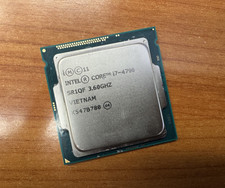
Intel 4th Gen Core i7-4790 SR1QF 3.60GHz (Turbo 4.00GHz) 8M 4-Core LGA-1150 CPU
$39.99
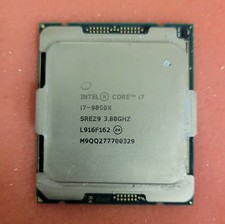
Intel Core i7-9800X 3.80GHz 8-Core 16.50MB LGA-2066 CPU Processor SREZ9
$60.00
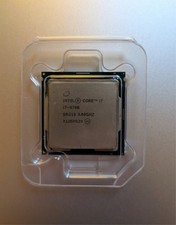
Intel Core i7-9700 3.0 GHz Octo-Core (SRG13) Processor
$79.00
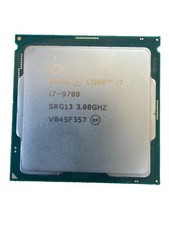
Intel Core i7-9700 3.0 GHz 8 Core Processor
$85.00
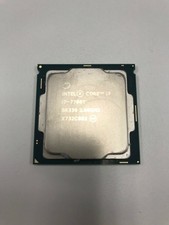
Intel Core i7-7700T 2.9GHz 8MB Socket LGA1151 Quad Core Processor SR339
$39.99
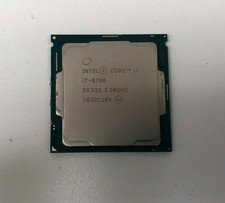
Intel i7-8700 Coffee Lake 3.2GHz 6-Core Max Turbo 4.6GHz Processor
$69.99
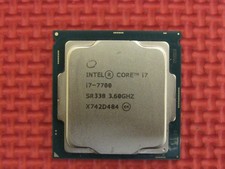
Intel SR338 Core i7-7700 3.60GHz 8M Socket 1151 Quad-Core CPU Processor LGA1151
$38.99
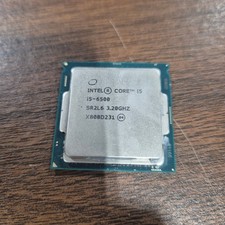
Intel Core i5-6500 Processor (3.2GHz, 4 Core, LGA1151 Socket) - SR2L6
$10.00
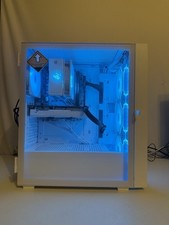
Gaming PC: Ryzen 5 3600XT, 16GB RAM DDR4, 512GB NVME SSD GEN 3, 1660Ti Super
$600.00
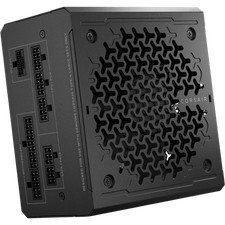
Corsair RM750e 750W Fully Modular 80 Plus Gold ATX 3.1 PSU Certified Refurbished
$44.99