-
Senior Member
registered user
One reson is: Linux is a multiuser-system since it's beginning.
You may install software on a server, where no graphical user interface is present, and which gets used by hundred clients (where a userinterface might be present).
Another one is: Linux is a kind of unix, and a lot of programs are developped for multiple unixes and plattforms.
There are tools to build the installation packages (autoconf, automake, ...) which deal with all of them, so the developer only needs to create one installation package for all of them, which is much less work and easier to maintain.
No. 3: For which GUI should the installation work? KDE, Gnome, Fluxbox, IceWM, ...?
Supporting all would be a lot of additional work, and make the installation depend on a lot of things.
In contrast it is wise to keep dependencies low.
Windows is a surface-oriented system, where even the server has a GUI.
It's a monoculture, where all users have the same surface - they call it 'Windows'.
Therefore windows-installers don't have to deal with the problems, a fine tarball solves.
Installation is quiete easy, if you are used to it, and you are used to it, if you do install often.
If you install rarely, it's not much work.
A normal install means downloading from a mirror, unroll the tarball, and then the 3 magic steps: ./configure, make, (as root make install.
Few packages don't follow the golden rules.
Two reasons for this:
a) New developers who aren't used to it or informed.
Well - we are patient with newbies.
b) Big Players like Oracle, Sun, Adobe. Especially if they ship their software even to the windows-poor.
They have their own tradition and like to do how they ever did, and how their customers are used to, from other plattforms.
Well - we accept foreign traditions - don't we?
Similar Threads
-
By kurt_meier in forum General Support
Replies: 10
Last Post: 09-02-2005, 06:46 PM
-
By Jameson in forum General Support
Replies: 6
Last Post: 06-23-2005, 07:50 PM
-
By Kowood in forum MS Windows & New to Linux
Replies: 1
Last Post: 04-17-2005, 10:44 AM
-
By kepler in forum General Support
Replies: 0
Last Post: 11-06-2004, 03:26 PM
-
By kepler in forum MS Windows & New to Linux
Replies: 2
Last Post: 11-01-2004, 11:34 PM
 Posting Permissions
- You may not post new threads
- You may not post replies
- You may not post attachments
- You may not edit your posts
-
Forum Rules

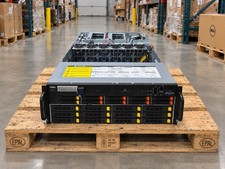
Gigabyte 4U AI Server 10x Nvidia GPU 2x Xeon Gold 6150 36 Core 2.7GHz DDR4 RAM
$1499.00
Dell EMC PowerEdge R440 Xeon silver 4215 2.5GHz 16 GB ram 2x 550W PSU No HDD
$275.00
867959-B21 HPE ProLiant DL360 G10 CTO Server W/ 2x 865414-B21 1x 840140-001
$245.00
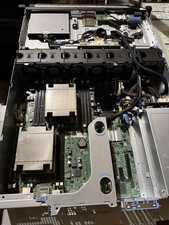
Dell PowerEdge R530 2x E5-2630v4 H330 iDRAC8 Port Card Riser No PSU/RAM/HDD
$99.99
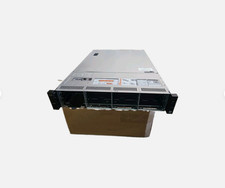
Dell Poweredge R730xd 12LFF 2*2660v4 4*1Gbe h730 2x 750W Server CTO
$308.00
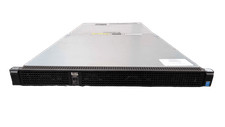
Dell PowerEdge C4130 1U AI GPU Server | 2x E5-2690 v3 | 64gb Ram | 2x 1600W
$524.99

Dell PowerEdge C4130 1U AI GPU Server | 2x E5-2680 v3 | 32gb Ram | 2x 1600W
$409.99
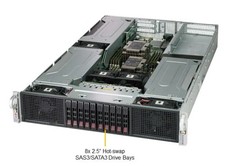
Supermicro 2U GPU Server SYS-2029GP-TR 2x Xeon 6130 32C 6x PCIe 3.0 x16 Slots
$745.00
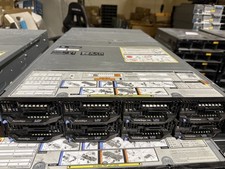
Dell PowerEdge FX2s + 8x FC430 Blades 16x E5-2630v4 160 Cores Rails No PSU/RAM
$699.00

Dell Constellation ES.3 3TB Enterprise-class Hard Drive (Wiped & Tested)
$39.00



 Reply With Quote