-
Senior Member
registered user
I've never had problems doing apt-get update, apt-get upgrade followed by apt-get dist-upgrade. But that's just me.
I do know one thing, when upgrading the desktop environment packages such as KDE or GNOME, it is better to log out of the desktop, and then kill the kdm or wdm processes.
You can do this two ways:
1) press ctl-alt-f1 and log in as root
2a) type init 3 to kill the wdm or kdm processes. or
2b)
b1) type ps ax to find the process number of the wdm or kdm process
b2) type kill -9 (process number) of the kdm or wdm process
3) type apt-get upgrade
4) type aptitude (I prefer this tool when upgrading enmasse)
5) highlight upgradable packages and press shift-+ (all of the upgradable packages will be marked to be upgraded)
6) press g once to see the list of packages that are going to be upgraded.
If there are any broken packages, they will automatically be umarked to protect the integrity of the remaining packages.
You can also revert some of the package back to the previous version simply by highlighting the package and pressing enter.
Scroll down to the bottom where the version numbers are listed and highlight the previous version and press shift-+ to revert back.
Press q to get back to previous screen.
Repeat above steps as necessary for all packages you want to revert to previous version before upgrading.
Press q again to get back to the original screen.
Press g to see the updated list of packages you want download with your choices.
Once satisfied with your selections, go to next step...
7) press g again to begin downloading and after the downloads are complete, press enter to install the packages.
When done installing, press continue.
8) press q followed by 'y' followed by enter
9) you can check for any remaining packages that weren't upgraded by typing apt-get -s dist-upgrade
If there are a few you missed from above, and the output shows no errors, then press the up arrow and remove the -s from the line followed by enter
You should be totally dist-upgraded by now. I do want to point out some notes:
If during the install phase you see any references about upgrading your scripts, always say no. This keeps your (custom) scripts as is.
You may find some services being stopped and started, if you know you had the services running at the time of the upgrade, then leave that service alone, but any that you saw as being started but wasn't configured to start, then you'll need to stop those services and then follow up with "update-rc.d -f (service) remove" to keep them from starting when you reboot.
You can reboot if you want, but it's not really necessary unless you installed a new kernel and/or upgraded lilo. Basically you would just type init 5 to restart your x window system and go about your business as usual.
That's my basic procedure in a nutshell. but feel free to comment and/or add/subtract any steps i might have missed.
HTH,
Durand
Similar Threads
-
By beforewisdom in forum Hdd Install / Debian / Apt
Replies: 3
Last Post: 12-19-2005, 08:48 PM
-
By mors in forum Hdd Install / Debian / Apt
Replies: 3
Last Post: 08-05-2005, 10:33 PM
-
By cujillo in forum Hdd Install / Debian / Apt
Replies: 2
Last Post: 07-10-2004, 10:10 PM
-
By pc3 in forum Hdd Install / Debian / Apt
Replies: 0
Last Post: 02-16-2004, 04:33 PM
-
By boudie in forum Hdd Install / Debian / Apt
Replies: 1
Last Post: 09-02-2003, 09:09 PM
 Posting Permissions
- You may not post new threads
- You may not post replies
- You may not post attachments
- You may not edit your posts
-
Forum Rules

2-Bay/4-Bay Hard Drive Enclosure for 3.5"/2.5'' SATA HDD/SSD 10Gbps USB-C 3.2
$75.99
OWC Express 4M2 4x M.2 NVMe RAID Enclosure Aluminum w/ SoftRAID
$199.00

OWC Mercury Elite Pro 2 Bay RAID Enclosure with USB 3.2 for Dual 3.5 inch HDDs
$87.99
Broadcom 9600-24i RAID Controller PCIe Gen 4.1 Tri-Mode NEW 05-50111-01004
$649.99

Acasis USB 3.2 2 Bay HDD RAID Enclosure for 2.5/3.5" SATA Drives External Array
$55.00
MegaRAID 9580-8i8e 16-port 12G SAS/SATA/NVMe 8GB PCIe RAID - 05-50076-00
$1619.19
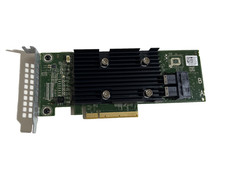
Dell PowerEdge HBA330 LP PCI-E 12GBs RAID SAS Controller Adapter J7TNV
$18.95
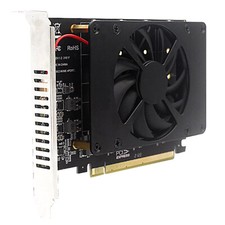
NVME M.2 Adapter Card PCIE X16 Splitter Expansion Controller 4-Disk Soft RAID
$24.43
Intel VROC Premium RAID Controller Card PCIe Add-On Module VROCPREMMOD
$265.00
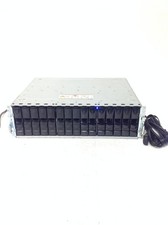
EMC KTN-SL3 15-Bay Disk Array Enclosure w/2x 303-108-000E Cards, Dual PSU,No HDD
$239.99



 Reply With Quote