-
Senior Member
registered user
Partitioning is really up to the user. IMHO, this is how I would set up the guidelines:
Newbies:
It's simply much easier to have just 2 partitions: root and swap.
Intermediate to expert:
This group may be the most variable, some would start splitting more partitions for more security and/or reliability.
The basic reliable option: you start out with at least 3 partitions, root, /home, and swap.
Some would add /var for slightly increased security.
Some might include /usr and /tmp partitions as well but I feel this might be a bit overboard. Note /usr uses the most space as it houses all of the binaries so therefore you would allocate the most space to this paritition.
Experts, Gurus, and Linux Masters:
This group would probably have a partition for every slice in the linux userland.
As for me, I use a basic 4 partition scheme: root, /home, /var, and swap with /tmp linked to the /var partition. Having a separate /var partition increases security in case you get rooted, and once it fills up, it won't take out the rest of the linux installation. Having a separate /home is important for saving your data, especially in the event you would have to reinstall linux. I don't bother with a separate /usr partition because the binaries change all the time when you do upgrading anyway. You could also have /etc as a small separate partition because it holds all of your scripts, especially your carefully handcrafted scripts.
Let's assume you have a 10 GB hard disk, here's what I would suggest:
root- 4.5 GB
/home- 4 GB
/var- 1 GB
swap- 512MB
As you can see, that's pretty small, but it's fairly distributed enough that you have room to upgrade and download things. If you have a larger disk, you would give more weight to the root and home partitions while keeping var and swap the same so you'll have more room to grow for a much, much longer period of time. Also, you might want to move swap to the end of the disk, as you're not going to expand that anyway.
HTH,
Durand
Similar Threads
-
By pluto in forum Customising & Remastering
Replies: 0
Last Post: 07-30-2006, 01:09 PM
-
By tekon in forum Knoppix DVD
Replies: 4
Last Post: 08-29-2005, 03:31 PM
-
By NAvAP in forum Customising & Remastering
Replies: 2
Last Post: 08-19-2005, 06:52 AM
-
By CrashedAgain in forum General Support
Replies: 2
Last Post: 01-10-2005, 05:18 AM
-
By Rapt0r in forum General Support
Replies: 4
Last Post: 08-16-2004, 12:01 PM
 Posting Permissions
- You may not post new threads
- You may not post replies
- You may not post attachments
- You may not edit your posts
-
Forum Rules

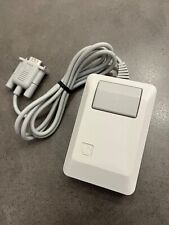
Macintosh Platinum Mouse - Apple 128K 512K 512Ke Mac Plus Lisa IIe M0100 - NEW
$49.99

1984 APPLE MACINTOSH 128K FIRST MAC Model M0001 PICASSO KIT Discs Harvard Rare
$1800.00
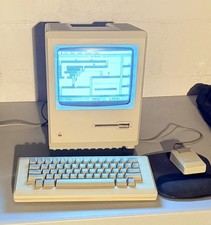
1984 APPLE MACINTOSH 128K MATCHING # BOX Set Original Mac Model M0001 WORKS RARE
$6299.00
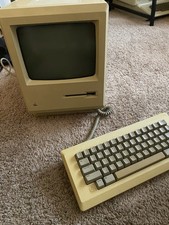
Apple Macintosh 128k Desktop computer. Upgraded to 512k
$300.00
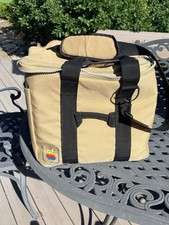
Vintage Apple Macintosh 128K 512K Carrying Case Rainbow Logo Excellent Cond
$140.00
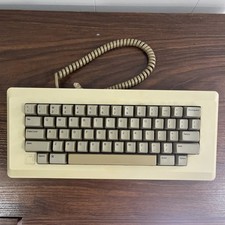
Apple Keyboard and Cable for Macintosh 128k 512k Mac Plus RARE Vintage M0110
$129.99
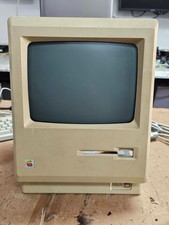
Vintage Early Week 12 1984 Apple Macintosh 128K Computer M0001 w/Analog Board+
$209.99
Macintosh Platinum Mouse - Apple 128K 512K 512Ke Mac Plus Lisa IIe M0100 - NEW
$59.99
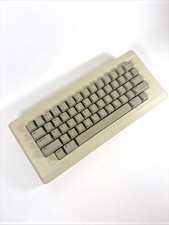
Apple Keyboard for Macintosh 128k 512k Mac Plus RARE Vintage M0110 (010)
$149.00
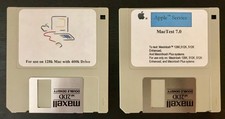
Apple Macintosh Mac 128k - 512k Boot / Diagnostics 2 Disk Set for Classic Macs
$14.99



 Reply With Quote