-
Junior Member
registered user
reason Dell Dimension 8400 booting "knoppix26 acpi=off
Swain Chen at http://lists.debian.org/debian-kerne.../msg00151.html reported for a Dell Dimension 4700
"Using the acpi=off option would get me past the RTC and "Setting the
Hardware clock..." steps but then I got some IRQ 193 error, which said "No
one cares". "
Tomaz at http://lists.debian.org/debian-kerne.../msg00596.html
noted that the driver rtc.ko had to be removed from the kernel for getting a working installation:
".6.8, .9 and .10 (686-SMP and -UP) kernels all hang on rtc module during boot on Dell Optiplex G280 with A03 BIOS, 3.0 HT P4, SATA. When omitting the rtc module I was able to boot.
Contrary, 2.4.* boots OK _with_ rtc module included"
Further info http://lists.us.dell.com/pipermail/l...ber/023021.htm
And what is RTC ?
Explained e.g. here: http://www.linux.com/howtos/Battery-...powermgm.shtml
RTC stores time in GMT (CONFIG_APM_RTC_IS_GMT): If you want to store GMT (Greenwich Mean Time) in your RTC (Real Time Clock).
Advanced Power Management (APM) allows your computer's BIOS to control your system's power management.
Advanced Configuration and Power Interface (ACPI) is the successor to APM, which places the responsibility of power management away from the BIOS and into the hands of the operating system. ACPI Linux is newer than APM Linux.
Similar Threads
-
By carlbeech in forum Klik
Replies: 1
Last Post: 03-22-2006, 10:11 PM
-
By Alterscape in forum Hardware & Booting
Replies: 2
Last Post: 06-10-2005, 02:35 AM
-
By bloopsys in forum Hdd Install / Debian / Apt
Replies: 1
Last Post: 07-18-2004, 10:03 PM
-
By Visivicous in forum Hardware & Booting
Replies: 5
Last Post: 06-08-2004, 09:58 PM
-
By jirah in forum General Support
Replies: 10
Last Post: 04-06-2003, 12:41 PM
 Posting Permissions
- You may not post new threads
- You may not post replies
- You may not post attachments
- You may not edit your posts
-
Forum Rules

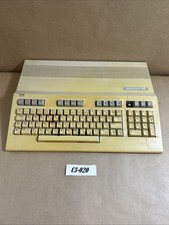
Commodore 128 C128 Computer FOR PARTS / REPAIR Untested Missing Key No Cords
$149.99

Pi1541 Zero with Epyx Fastload Hat, Case & 16gb SD for Commodore 64 and 128
$79.99
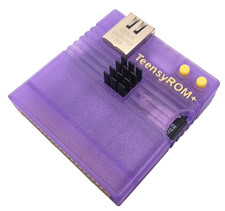
TeensyROM+ TR+ v0.4 Cartridge for C64/128 - w/ Case & 32GB SD Preloaded
$89.50
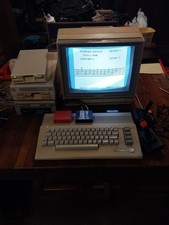
Commodore 64c Computer System
$550.00
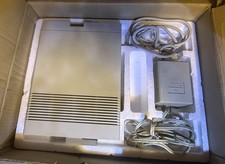
Vtg 128 / 64 Commodore 1541-II Computer Disk Drive in Box 5.25 Floppy (Working)
$89.99
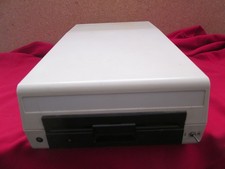
Commodore VIC-1540 Single Floppy Disk Drive Rare Power Tested
$199.99
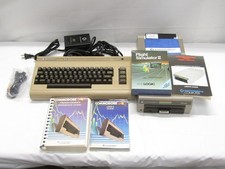
Commodore 64 PC with Model 1541 Diskette Drive and Flight Simulator II *READ*
$199.99

Commodore 1541 Emulator PI1541 HAT with ROTARY, OLED screen, USA Seller
$29.99

Commodore 64 Dead Test & Diagnostic Cartridge & Test Harness Set - USA seller
$39.99
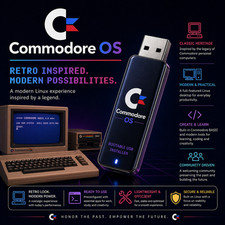
Commodore OS USB | Bootable LIVE + Install | The Ultimate Gaming Linux OS | NEW
$11.99



 Reply With Quote