-
Senior Member
registered user
The process spelled out by Rumo is what Kyle Rankin describes in his book Knoppix Hacks and how I share /home between various Linuxes and BSDs. (For adding distros after the first, though, you only copy over what's new so that you don't clobber what's already there.)
As McGyver points out, you can boot straight into your installation as root so long as you haven't changed root's home directory to /home. Be sure not to su or sudo into root, though, because then you'll still be in /home.
Knoppix in fact rebuilds /etc/fstab on every boot - you can see this in /etc/init.d/knoppix-autoconfig and in the blue and yellow message it generates at boot time saying, "Scanning for Harddisk partitions and creating /etc/fstab..."
Klaus Knopper designed Knoppix to be a replacement for a laptop - he wanted a portable work environment that he could run wherever he was, just by sticking a CD into whatever computer was nearby.
From that point of view, rebuilding /etc/fstab each time is absolutely necessary. Once Knoppix is installed to a hard drive, though, it becomes more of a bug than a feature.
To disable it, you can include the boot parameter (cheatcode) nofstab along with lang=us or vga=791 or whatever else you use at startup.
-- Ed
Similar Threads
-
By jm47048 in forum General Support
Replies: 0
Last Post: 01-24-2006, 11:59 PM
-
By stan45 in forum General Support
Replies: 1
Last Post: 05-21-2005, 11:50 AM
-
By Geof in forum General Support
Replies: 1
Last Post: 01-18-2005, 03:55 PM
-
By DieselDriver in forum General Support
Replies: 1
Last Post: 12-27-2004, 03:20 AM
-
By stukennedyuk in forum Hdd Install / Debian / Apt
Replies: 5
Last Post: 02-13-2004, 02:55 PM
 Posting Permissions
- You may not post new threads
- You may not post replies
- You may not post attachments
- You may not edit your posts
-
Forum Rules

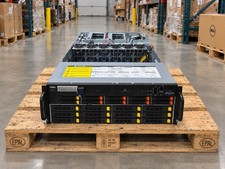
Gigabyte 4U AI Server 10x Nvidia GPU 2x Xeon Gold 6150 36 Core 2.7GHz DDR4 RAM
$1499.00
Dell EMC PowerEdge R440 Xeon silver 4215 2.5GHz 16 GB ram 2x 550W PSU No HDD
$275.00
867959-B21 HPE ProLiant DL360 G10 CTO Server W/ 2x 865414-B21 1x 840140-001
$245.00
Microsoft Windows Server 2022 Standard 64Bit 16 Core-50 CALs DVD With Key&
$69.90
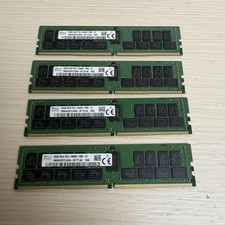
128GB (4x32GB) SK hynix DDR4 PC4-2666V RDIMM ECC Server Ram HMA84GR7CJR4N-VK
$799.00

Dell PowerEdge C4130 1U AI GPU Server | 2x E5-2680 v3 | 32gb Ram | 2x 1600W
$409.99
Dell PowerEdge C4130 1U AI GPU Server | 2x E5-2690 v3 | 64gb Ram | 2x 1600W
$524.99
Dell Poweredge R730xd 12LFF 2*2660v4 4*1Gbe h730 2x 750W Server CTO
$248.00
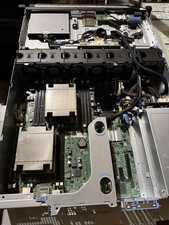
Dell PowerEdge R530 2x E5-2630v4 H330 iDRAC8 Port Card Riser No PSU/RAM/HDD
$99.99
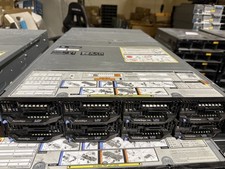
Dell PowerEdge FX2s + 8x FC430 Blades 16x E5-2630v4 160 Cores Rails No PSU/RAM
$699.00



 Reply With Quote