-
Administrator
Site Admin-
I saw the Slashdot article too. I found this very interesting for a slightly different reason. A while ago I make a copy of DSL as the first session of a multi-session disk. I then used DSL to write files to the second session. I did not expect to have DSL somehow find the second session automatically and load stuff the way that Puppy Linux does. The thing that I found at that time was that the DSL disk would no longer boot after I had burnt the second session. I accepted this as how el torro botable disks work. But if Puppy Linux can do it then I'm wondering what they are doing differently than I did and why Puppy can boot after a second session is written on it but DSL can not. If anyone has any insight on this issue I would appreciate them sharing it. I have bookmarked the Puppy Linux pages linked to in the slashdot article, but have not read them completely yet.
Similar Threads
-
By llista in forum The Lounge
Replies: 0
Last Post: 07-26-2007, 12:51 PM
-
By dissel in forum General Support
Replies: 1
Last Post: 01-26-2007, 06:23 PM
-
By bread in forum General Support
Replies: 4
Last Post: 02-15-2006, 02:34 AM
-
By rookworm in forum The Lounge
Replies: 2
Last Post: 11-09-2005, 11:37 AM
-
By iD:0t in forum MS Windows & New to Linux
Replies: 5
Last Post: 02-15-2005, 04:55 PM
 Posting Permissions
- You may not post new threads
- You may not post replies
- You may not post attachments
- You may not edit your posts
-
Forum Rules

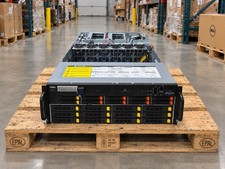
Gigabyte 4U AI Server 10x Nvidia GPU 2x Xeon Gold 6150 36 Core 2.7GHz DDR4 RAM
$1499.00
Dell EMC PowerEdge R440 Xeon silver 4215 2.5GHz 16 GB ram 2x 550W PSU No HDD
$275.00
Dell PowerEdge R240 Intel Xeon E-2224 3.50GHz 8GB DDR4 ECC NO HDD 250W
$285.97
867959-B21 HPE ProLiant DL360 G10 CTO Server W/ 2x 865414-B21 1x 840140-001
$245.00
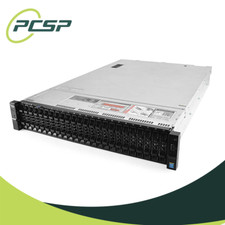
Dell PowerEdge R730XD 28 Core Server 2X Xeon E5-2680 V4 H730 32GB RAM No HDD
$378.93

Dell PowerEdge C4130 1U AI GPU Server | 2x E5-2680 v3 | 32gb Ram | 2x 1600W
$409.99
Dell PowerEdge C4130 1U AI GPU Server | 2x E5-2690 v3 | 64gb Ram | 2x 1600W
$524.99
Dell PowerEdge C4130 1U AI GPU Server | 2x E6-2699 v3 | 128gb RAM | 2x 1600W
$899.99
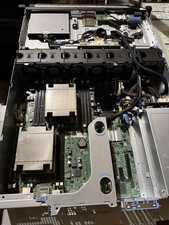
Dell PowerEdge R530 2x E5-2630v4 H330 iDRAC8 Port Card Riser No PSU/RAM/HDD
$99.99
Dell Intel X710-DA2 5N7Y5 Dual-Port 10GbE SFP+ PCIe 3.0 x8 Network Adapter
$27.50



 Reply With Quote