-

Originally Posted by
Harry Kuhman
I saw the Slashdot article too. I found this very interesting for a slightly different reason. A while ago I make a copy of DSL as the first session of a multi-session disk. I then used DSL to write files to the second session. I did not expect to have DSL somehow find the second session automatically and load stuff the way that Puppy Linux does. The thing that I found at that time was that the DSL disk would no longer boot after I had burnt the second session. I accepted this as how el torro botable disks work. But if Puppy Linux can do it then I'm wondering what they are doing differently than I did and why Puppy can boot after a second session is written on it but DSL can not. If anyone has any insight on this issue I would appreciate them sharing it. I have bookmarked the Puppy Linux pages linked to in the slashdot article, but have not read them completely yet.
I don't know bootable discs but I have a theory anyway, based on my limited understanding of the boot process:
the code that makes a bootable disc bootable must be contained in the disc directory. When you add to a multisession disc, the burning program must of course create a new directory. As a boot sector virus prevention measure, the DSL burning program is probably designed not to include any executable code from the original directory in the new directory.
I post this purely as a learning exercise for myself, in the hope that someone who actually knows the answer will confirm, or at least correct me.
Similar Threads
-
By llista in forum The Lounge
Replies: 0
Last Post: 07-26-2007, 12:51 PM
-
By dissel in forum General Support
Replies: 1
Last Post: 01-26-2007, 06:23 PM
-
By bread in forum General Support
Replies: 4
Last Post: 02-15-2006, 02:34 AM
-
By rookworm in forum The Lounge
Replies: 2
Last Post: 11-09-2005, 11:37 AM
-
By iD:0t in forum MS Windows & New to Linux
Replies: 5
Last Post: 02-15-2005, 04:55 PM
 Posting Permissions
- You may not post new threads
- You may not post replies
- You may not post attachments
- You may not edit your posts
-
Forum Rules

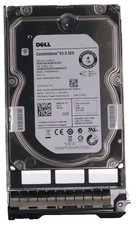
Dell 6P85J 4TB ST4000NM0063 7.2k 6Gb/s 3.5” SAS SED Hard Drive with Tray
$39.99
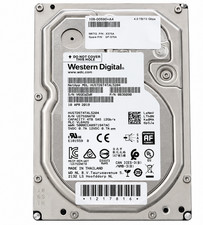
Western Digital HUS726T4TAL5204 4TB 7.2K SAS 12Gb/s 3.5" 512e HDD NetApp X375A
$64.00

DELL 2TB Enterprise HDD (7200RPM, 3.5", SATA III, 128MB Cache) HUS722T2TALA600
$49.95

Seagate ST8000NM0075 Enterprise Capacity 3.5 HDD 8TB SAS Hard Drive 8TB EXOS
$184.99
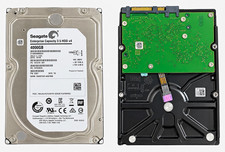
Seagate ST4000NM0034 Enterprise 4TB 7200RPM SAS 12Gb/s HDD v4
$39.00
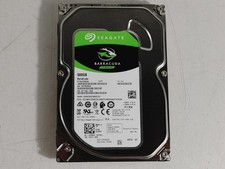
Seagate ST500DM009 BarraCuda 500 GB 3.5" SATA III Desktop Hard Drive
$14.99
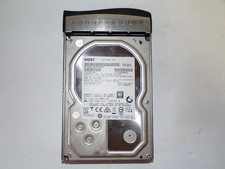
HGST HUS726060ALE610 0F23001 6TB HDD 3.5" SATA 6Gb/s 7.2K Hard Drive (V6315)
$69.95
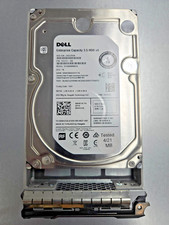
Dell ST6000NM0034 1HT27Z-150 NWCCG 6TB SAS 3.5 7.2K ENTERPRISE SERVER DRIVE
$68.99
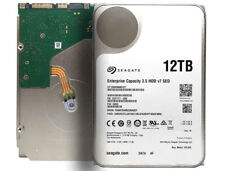
Seagate ST12000NM0127 12TB 256MB 7200RPM 3.5" SATA 6.0Gb/s Enterprise Hard Drive
$318.99
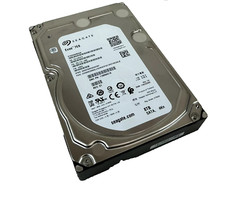
(ST8000NM0045) SEAGATE ENTERPRISE 8TB 7200RPM 4Kn SATA 6Gb/s 3.5" HARD DRIVE
$199.99



 Reply With Quote