-
2 Gig FAT32 File Size Limit
Hi everyone - I am new to Linux . . . here is what I am trying to do. I need to image a 17 Gig hard drive that is FAT32 (has Windows ME on it). I am using the PSK version of Knoppix to do the imaging. My target drive is a FAT32 formatted hard disk that is partitioned several times - All FAT32. I am using the following command:
dcfldd if=/dev/hda1 of=/mnt/hdb1/image.dd conv=noerror,sync hashwindow=0 hashlog= hash.txt
This stops after 2 Gigs of copying due to the FAT32 file size limit being exceeded. How do I get around this? If I am imaging a FAT32 drive, does the drive I am copying to also need to be FAT32 file system (as opposed to linux file system, or some other file system that supports image files of 20 Gigs or more)? Is it even possible with any filesystem to create a 17 Gig image file?
Also, for you forensic experts, what is the advantage of imaging a drive over just cloning it? In other words, why would I want to create an image as opposed to a bit-for-bit copy of one drive to another? All of the forensic material I have refers to image files rather than a cloned copy of the hard disk. Why is that?
Also, when imaging a drive, is it better to image it partition by partition or to just image the entire drive into one image file - all partitions included?
Thanks so much in advance.
Brian
Similar Threads
-
By dahveed3 in forum General Support
Replies: 5
Last Post: 07-21-2008, 02:58 PM
-
By unisis in forum Hdd Install / Debian / Apt
Replies: 2
Last Post: 04-03-2005, 09:32 AM
-
By milindck in forum MS Windows & New to Linux
Replies: 2
Last Post: 01-07-2005, 08:42 PM
-
By Coorme in forum General Support
Replies: 2
Last Post: 12-10-2004, 04:30 AM
-
By walterma in forum General Support
Replies: 1
Last Post: 04-09-2004, 10:56 AM
 Posting Permissions
- You may not post new threads
- You may not post replies
- You may not post attachments
- You may not edit your posts
-
Forum Rules

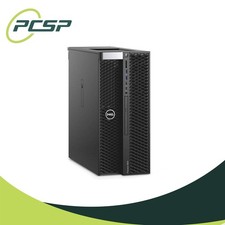
Dell Precision T5820 Workstation 3.70GHz W-2135 No RAM/ GPU/ HDD/ OS
$179.98
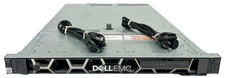
Dell EMC PowerEdge R440 Xeon silver 4215 2.5GHz 16 GB ram 2x 550W PSU No HDD
$275.00

Dell Precision Tower 7810 Xeon E5-2630 v3 @ 2.40GHz , 32GB Ram, NO HDD, NO OS
$239.99
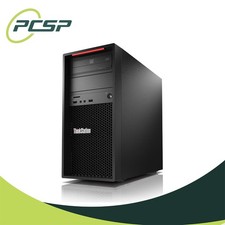
Lenovo ThinkStation P520c Intel Xeon W-2133 6-Core 3.60GHz -NO RAM/ HDD/ GPU/ OS
$127.54
Intel Xeon E5-2699 V4 2.20GHz 55M 22-CORES LGA2011-3 Server Processor 145W SR2JS
$84.49
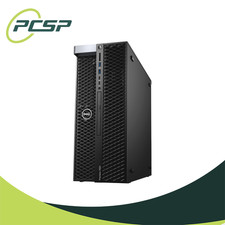
Dell Precision T7820 2x Xeon Silver 4114 2.20GHz 950W No RAM GPU HDD 4x SATA
$350.48
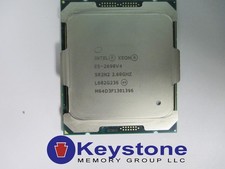
Intel Xeon E5-2690 v4 SR2N2 14 Core 2.6GHz 35MB LGA2011-3 CPU *km
$15.99
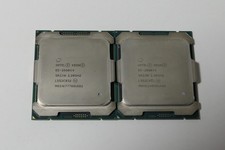
Matched Pair _ Intel Xeon E5-2698 V4 2.2GHz 20-Core Processor CPU LGA2011 SR2JW
$94.99
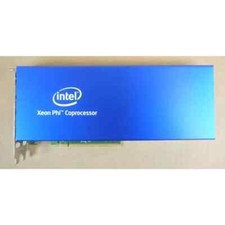
Intel Xeon Phi 5110P 60-Core 1.053GHz Coprocessor
$50.00
DELL Precision T3420 | Xeon 1240v6 | 525GB SSD |16GB RAM |Nvidia GPU |Win11
$149.00



 Reply With Quote