-
Senior Member
registered user
As a rule of thumb, primary swap space would be on a swap partition.
If you use an non-journaled file system then you run the risk of having a fragmented swap file. A swap file is usually used if temporary swap space is needed. Why?
When swaping to a swap file it first must decide where to write, in order to do that you have to:
-Find out where the file is.
-Find the correct cluster that the blocks belong in.
-Write the files there, BUT
-If it's bigger than one cluster it has to find the next cluster.
-Then it write in that cluster.
-It will continue writing to and finding clusters until it finishes.
There is one advantage to a swap file however. Should you wanted to increase your swap size you can do it without changing the partition table.
With a swap partition there's less work involved. A swap partition basically writes wherever it wants to. Should you have two or more drives I always put a swap partition on a seperate disk, that way you can reduce seek times. Additionally a swap partition placed on the outside of the disk is faster due to the increased speed found on the outside edge of the disk. If you use imaging software for example or compile programs it could make a big difference but if you just do general day to day things it might not be a noticeable improvement.
But that's just my 2 cents worth. 
Similar Threads
-
By bsaber in forum Hdd Install / Debian / Apt
Replies: 3
Last Post: 02-11-2005, 09:58 PM
-
By herbyweed in forum Hdd Install / Debian / Apt
Replies: 2
Last Post: 02-07-2005, 06:31 PM
-
By metavoid in forum General Support
Replies: 7
Last Post: 02-20-2004, 04:40 PM
-
By peterpasschier in forum Ideas
Replies: 3
Last Post: 01-29-2004, 05:50 PM
-
By CubeDweller in forum General Support
Replies: 6
Last Post: 03-26-2003, 08:09 PM
 Posting Permissions
- You may not post new threads
- You may not post replies
- You may not post attachments
- You may not edit your posts
-
Forum Rules


WAVLINK RAID 2 Bay Hard Drive Docking Station SATA 2.5/3.5'' SSD HDD Enclosure
$107.99
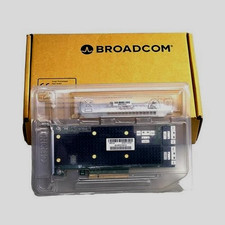
Broadcom 9600-24i Tri-Mode RAID Controller 4.0 NVMe SAS SATA NEW 05-50111-01003
$639.69
Intel VROC Premium RAID Controller Card PCIe Add-On Module VROCPREMMOD
$265.00
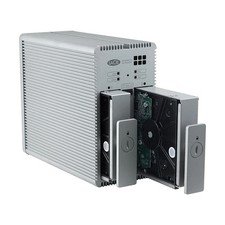
Lacie 2big Quadra RAID 2 x 2 TB 4 TB Only 158 hours
$199.00
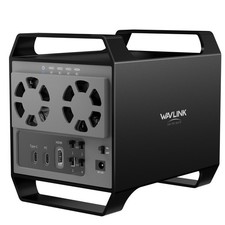
2-Bay/4-Bay Hard Drive Enclosure for 3.5"/2.5'' SATA HDD/SSD 10Gbps USB-C 3.2
$75.99
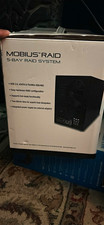
Oyen Digital MOBIUS 5-Bay RAID Enclosure USB 3.0/eSATA/FireWire
$140.00
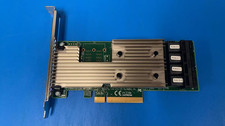
Broadcom LSI 9305-16i 12Gbps SAS-3 PCIe x8 HBA 16-Ports Raid Controller
$64.99
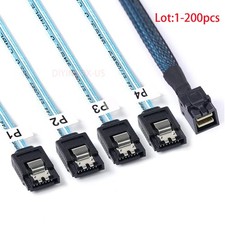
Lot Mini SAS SFF-8643 To 4 SATA 7pin Hard Disk 6Gbps Data Server Raid Cable 1M
$580.00
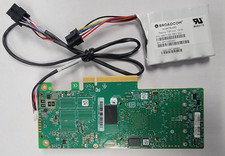
LSI 9461-16i MEGARAID RAID 12GBPS 16 PCIE3.0 PORT KIT W/BATTERY 03-50011-69004
$145.99

Dell PowerVault DL2200 2x Xeon E5620 24GB RAM H700 2x500GB SAS RAID1
$230.00



 Reply With Quote