-
Senior Member
registered user
The core technology of nomachine is licensed under GPL. Freenx(the server side) is implemented seperately as a collection of scripts and the pseudo X server(like VNC).
Once installed, nxserver is enabled by default and can be used on boot(so long you have sshd running). What essentially is freenx is that it is a wrapper of ssh and VNC(well, not exactly VNC but technically similiar stuff). It goes like this :
The client establish a SSH session to the server using specific username(nx)
The login is through RSA key so no password is needed for this part
Once login, the server side instead of running a shell, it runs another program that handle the true user login(using PAM, just like any unix login).
Once this login is successful, it lauches an X server(more or less like VNC) and the client side then talks with it.
The difference between nomachine and VNC is that nx performs some X protocol level compression which makes it very suitable for slow link(VNC is purely image change detecting/compression).
You can achive the same thing using VNC+SSH, just more cumbersome. Some VNC variants do provide some automation as well but not the X protocol optimization though.
nx has another advantage, remote sound which will soon be in freenx(the commerical server has it already). This is not easily duplicatable in VNC.
Similar Threads
-
By firebyrd10 in forum General Support
Replies: 7
Last Post: 02-05-2004, 11:15 AM
-
By cmcclean in forum General Support
Replies: 1
Last Post: 10-03-2003, 01:52 PM
-
By pnti in forum General Support
Replies: 0
Last Post: 07-14-2003, 12:32 PM
-
By Robert Michel in forum Ideas
Replies: 0
Last Post: 02-26-2003, 01:21 AM
-
Replies: 0
Last Post: 02-10-2003, 04:50 AM
 Posting Permissions
- You may not post new threads
- You may not post replies
- You may not post attachments
- You may not edit your posts
-
Forum Rules

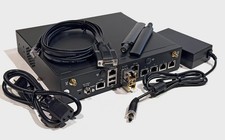
OPNsense pfSense 8-Core Atom C3758 2.2GHz 8GB DDR4 64GB SSD 8x NIC QAT AES VPN
$115.00
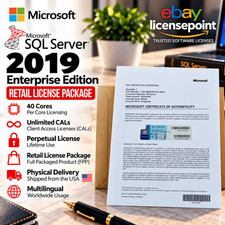
Microsoft SQL Server 2019 Enterprise 40 Core Unlimited CAL Retail License FPP
$299.00
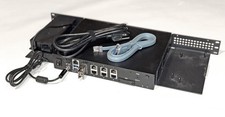
OPNsense Firewall VPN QAT 8-Core Atom C3758 2.20GHz 16GB DDR4 128GB SSD 8xNIC
$175.00
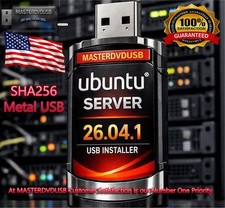
Ubuntu Server 26.04.1 LTS Bootable USB Flash Drive – Latest September 2026
$12.99
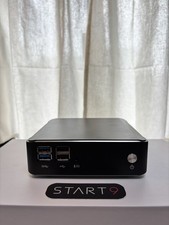
Start9 Server Pure 32GB 4TB Intel i7 Node StartOS — Box + PSU
$649.00

Novell SUSE Linux Enterprise Server 9, Linux Professional 8.2 / 9.1 — 3 DVD Set
$58.00

All New Ubuntu 26.04 LTS Linux Bootable USB Flash Drive
$15.95
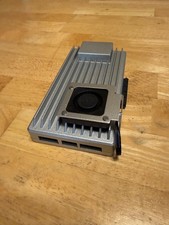
ZimaBoard 2 1664 Home Server 16GB
$350.00

SQL Server 2022 Enterprise 96 Core License & DVD Unlimited CALs with CoA
$284.99
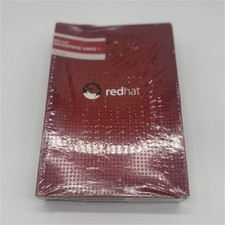
Red Hat Enterprise Linux 5 Server DVD English OS Media Kit RHF0382US
$41.30



 Reply With Quote