-
Senior Member
registered user
Actually, the "save Knoppix configuration" option isn't terribly useful unless there's some sort of hardware you have that Knoppix doesn't auto-configure for you correctly when it boots up, and you have to configure it manually.
For example, there's this old computer I have whose graphics card doesn't play well with X Windows' "GLX" module. So, after manually editing /etc/X11/XF86Config-4 -- X Windows' configuration file -- I can save my Knoppix configuration, and then not have to do it again the next time I boot off the live CD.
But if your hardware runs fine after booting off the Knoppix CD, there's really no need to do that.
Creating a persistent home directory is a lot more useful, because a) all your KDE configuration settings will be kept from session to session; b) you can actually store files on it; and c) you can use "Klik" (see the Klik Forum section for more info) to install programs (there's also a small selection of programs available on the Knoppix menu). Even better, you can create a persistent home directory on a USB thumbdrive, and take Knoppix and your files with you from computer to computer.
On the other hand, the only way to get a sense of Knoppix's speed is to install it to your hard drive. Running off the CD definitely slows it down.
P.S. My opinion: If you like the GNOME desktop, you'll like Fedora Core. But if you like KDE better (it's what Knoppix defaults to), Fedora Core will highly exasperate you. And in any case, the Debian package management system is way better than the Red Hat Package Manager.
Similar Threads
-
By kathat in forum Customising & Remastering
Replies: 0
Last Post: 04-17-2009, 05:24 AM
-
By Kenji Miyamoto in forum General Support
Replies: 2
Last Post: 08-20-2005, 11:47 AM
-
By jeeves2001 in forum Hdd Install / Debian / Apt
Replies: 1
Last Post: 06-05-2005, 03:22 AM
-
By wartiger in forum MS Windows & New to Linux
Replies: 15
Last Post: 01-01-2005, 08:54 AM
-
By danidins in forum General Support
Replies: 0
Last Post: 11-25-2003, 08:32 AM
 Posting Permissions
- You may not post new threads
- You may not post replies
- You may not post attachments
- You may not edit your posts
-
Forum Rules

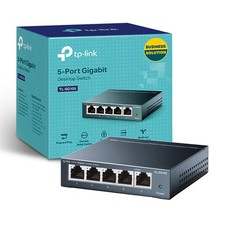
TP-Link TL-SG105 5-Port Gigabit Ethernet Unmanaged Metal Desktop Network Switch
$19.99
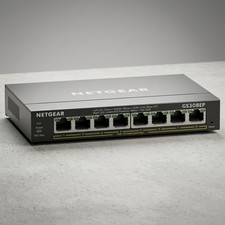
NETGEAR GS308EP Essential Series 8-Port Gigabit PoE+ Unmanaged Switch
$49.99

Cisco WS-C3650-12X48UR-L 48-Port Stackable Layer 3 8x10G SFP+ Port Switch
$129.99
D-Link DGS-1210-28P 28-Port PoE Gigabit Web Smart Switch With Cord
$49.99
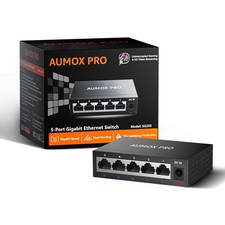
5 Port Gigabit Unmanaged Ethernet Switch, Home Network Hub, Office Ethernet S...
$9.64
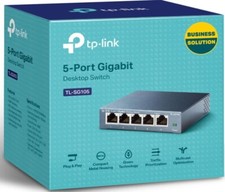
TP-Link TL-SG105, 5 Port Gigabit Unmanaged Ethernet Switch, Network Hub, Ethern
$15.25

NETGEAR 5-Port Gigabit Ethernet Unmanaged Switch (Gs305) - Desktop Quiet Fanless
$16.41
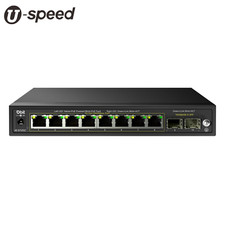
10-Port Gigabit PoE Network Switch with 8 PoE+ Ports with 2 Combo SFP Slots 125W
$39.99
Cisco Catalyst 2960-48TT-L 48-Port Fast Ethernet Managed Rackmount Switch
$46.99
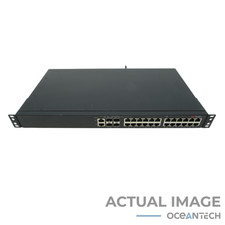
Brocade ICX6450-24 24-Port Gigabit Ethernet Network Switch W/ Ears
$74.99



 Reply With Quote