-
Administrator
Site Admin-

Originally Posted by
calathar
Okay. I'm on a cable connection going through a switch, not a router. No routing on it. I ran netcardconfig and it seemed to configure eth1 just fine all by itself when I said that it could use DHCP, but I still can't connect. Does that help?
That you have a switch and no router is a bit non-standard. It might be helpful to explain what you are trying to do with the switch. Is there any DHCP server connected to the switch? If you have cable but no router you generally get assigned an IP address by DHCP from the cable company. This sets your IP address to a routable IP address on the cable company network and eventually to the Internet. Generally most cable companies will not let a user have more than one routable address on the connection, so what else is connected to the switch and what IP addresses (and net masks) are assigned to each computer on the network?
I would suggest that you get an router (often $10 or less after rebate). That way you can build a local network with local addresses and all of your systems can share the network connection through NAT. The hardware firewall provided by a router will also help protect the local systems, particularly if any run Windows. If you have more systems than will plug directly into the router then you can still make use of the switch.
I'm assuming that since you have a switch that you have other computers in a local network. If any are providing DHCP services this could cause conflicts. If you are configured so the systems can communicate with each other you might have IP address problems getting to the cable company. Do you know what settings to expect when you get a normal DHCP configuration from the cable company? What is the output from the ifconfig command after letting eth1 configure itself by DHC P (netcardconfig)? Have you tried just plugging the computer directly into the cable modem and bypassing the switch?
Similar Threads
-
By Joey6 in forum Networking
Replies: 4
Last Post: 01-17-2007, 01:20 AM
-
By jacksonon in forum Networking
Replies: 6
Last Post: 09-13-2006, 09:27 PM
-
By solbergg in forum Networking
Replies: 4
Last Post: 03-10-2006, 03:11 AM
-
By simplyskate in forum Networking
Replies: 10
Last Post: 04-28-2005, 06:45 PM
-
By THiM in forum Hardware & Booting
Replies: 5
Last Post: 05-19-2003, 07:27 PM
 Posting Permissions
- You may not post new threads
- You may not post replies
- You may not post attachments
- You may not edit your posts
-
Forum Rules


PfSense/OPNsense 6x1Gb, Quad Core, 8GB, 128GB SSD, AES-NI, QAT (Lanner FW-7525D)
$85.00

OPNsense pfSense 16-Core Atom C3958 16GB ECC RAM 512GB SSD 8-Port QAT AES-NI VPN
$258.00
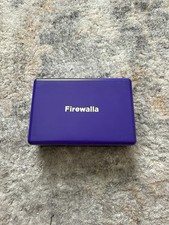
Firewalla Purple Gigabit Firewall Router Factory Reset Excellent Cond G2U
$245.00
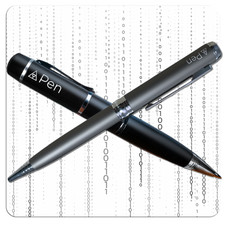
Zero Trace Pen: All-in-one Tor Network Anonymous Drive + Cryptocurrency Wallet
$147.00
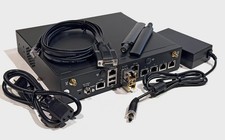
OPNsense pfSense 8-Core Atom C3758 2.2GHz 8GB DDR4 64GB SSD 8x NIC QAT AES VPN
$145.00

10GbE OPNsense Firewall VPN AES QAT 4-Core Atom C3558 2.20GHz 8GB DDR4 128GB SSD
$165.00
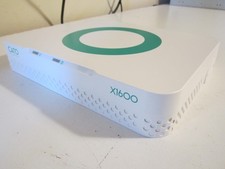
PfSense/OPNsense - 2x1Gb, 4x2.5Gb, 2x10Gb, C3558, 4GB, 128GB NVMe, AES-NI, QAT
$259.00

Fortinet FortiGate 60F FG-60F P24286-03-13 Network Firewall Security Appliance
$155.75
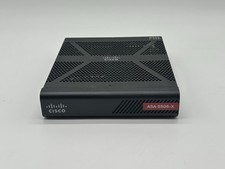
Cisco ASA 5506-X Network Security Firewall Appliance- No Adapter
$50.00

SonicWall SOHO Wireless Network Security Appliance 01-SSC-0218
$199.00



 Reply With Quote