-
Administrator
Site Admin-

Originally Posted by
simplyskate
Do you think it might be easier to just disconnect my modem from the router and just plug it into the the computer via USB?
I generally have had very bad luck with Linux and USB devices (other than flash drives, which have worked very well for me). And I certainly would never advocate that someone with a router disconnect it and not use it, a router provides very important protection (even for Linux). So no, I would not advocate bypassing the router and trying to get a USB interface right into the modem to worik. If you insist on trying to get a USB interface to work it might as well be the wireless USB interface, if you are sucessful it will have a much better end result than getting a USB to modem interface working.
Originally Posted by
simplyskate
... If this doesnt work i will just do what you said and buy an ethernet card. Just a quick question, if i were to buy an ethernet card, would this act as my NIC? Also would i be able to get any ethernet card, or would i have to buy one which is made by my routers company?
NIC stands for Network Interface Card. So yes, an ethernet card is a NIC and it would be your NIC. Likely seen as eth0 from Knoppix assuming that Knoppix doesn't detect anything else that looks like an ethernet interface to it, but in any case Knoppix should detect it, set it up by DHCP from your router and the network will be up and working as soon as you boot, no extra commands should be needed.
You do not need a NIC made by your router maker. Virtually any common 10/100 ethernet interface will work. I can't say that Knoppix has support for every card made, but I know of none that cause problems. I've used cards from Dlink, SMC, Cnet, 3Com, and even Belkin and "generic" cards with no problems. Obviously you can't use an old style NIC with only a thinnet (coax) connection on it to connect to your twisted pair router, but these are extremely hard to find any more. You could use a very old 10 mbps only twisted pair interface (also so hard to find it's not worth considering unless you're picking used boards from old junk computers), it would work OK and there would be no apparent loss of speed on the internet, but such a card would be slower talking to any other computers on your local network. Some 1000 gig on-motherboard chipsets did cause problems for some users. This seems to be improving with newer releases, but my advice would be to avoid 10/100/1000 cards and I would expect that you would do fine (your router likely would not support the 1000 mbps anyway). Unfortunately, many makers change the basic chip sets they use and still keep the same model number for their cards, so it's hard to be 100% certain that any particular make and model of card is supported, but if you really want to play safe ask here about the card you intend to buy and someone is likely to confirm that they use it without problems. But if I were doing it I would just insert a generic card and expect it to work.
Similar Threads
-
By Joey6 in forum Networking
Replies: 4
Last Post: 01-17-2007, 01:20 AM
-
By greg m in forum General Support
Replies: 1
Last Post: 01-10-2007, 11:26 AM
-
By jacksonon in forum Networking
Replies: 6
Last Post: 09-13-2006, 09:27 PM
-
By solbergg in forum Networking
Replies: 4
Last Post: 03-10-2006, 03:11 AM
-
By THiM in forum Hardware & Booting
Replies: 5
Last Post: 05-19-2003, 07:27 PM
 Posting Permissions
- You may not post new threads
- You may not post replies
- You may not post attachments
- You may not edit your posts
-
Forum Rules

Netac 2TB 1TB 512GB 256GB Internal SSD 2.5inch SATAIII Solid State Drive lot
$379.00
Samsung 2.5" 870 EVO SSD SATA III 250GB 500GB 1TB Internet Solid State Drive Lot
$90.00
Samsung 860 EVO 250GB SSD MZ-76E250 2.5" SATA III Solid State Drive -
$39.99
Netac 120GB 256GB 1TB 2TB Internal SSD 2.5'' SATAIII 6Gb/s Solid State Drive lot
$119.99
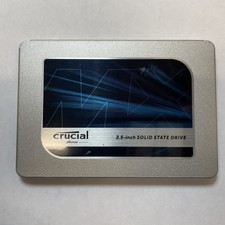
Crucial MX500 1TB 2.5" SATA III Internal SSD CT1000MX500SSD1
$99.99
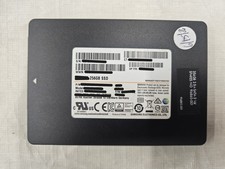
Samsung 256 GB Internal SATA SSD Fully Tested 50%-79% Health
$24.00
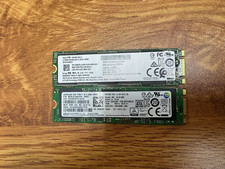
2 PACK 128 GB SSD M.2 2280 SATA Solid State Drive Major Brands, Samsung, LiteON
$28.00
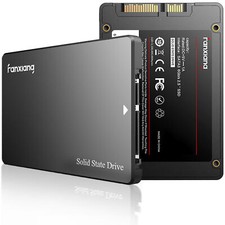
Fanxiang 256GB 512GB 1TB 2TB 4TB SSD Lot 2.5'' SATA Internal Solid State Drive
$42.99

SSD 2.5" SATA Hard Drive for Laptop Desktop Windows 10 pro 64 Pro Pre-installed
$42.00
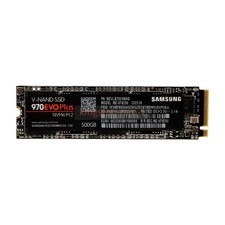
Samsung New SSD 970 EVO Plus 2TB 1TB 500GB 250GB NVMe M2 Internal Hard Drive Lot
$79.99



 Reply With Quote