-
Senior Member
registered user
It creates a ramdisk and loads itself into memory, rather than running off the floppy.
As far as USB booting goes, there seems to be two competing formats, one that emulates a hard drive (USB-HDD) and one that emulates an Iomega zip drive (USB-ZIP). These formats seem to have something to do with the USB stick's geometry (link to Damn Small Linux article on setting your USB key's geometry).
There are also, of course, different bootloaders. Damn Small Linux has a script on the Live CD that installs itself to a USB key, using syslinux (it creates and boots from a FAT16 partition) and USB-ZIP geometry. Another cool-looking distro based on Kanotix named CPX-Mini installs GRUB to your USB key (it creates and boots from an ext2 partition) and uses USB-HDD geometry.
Unfortunately, CPX-Mini won't boot on my computer off the USB key, but Damn Small will. So my goal is to examine the Damn Small Linux script to see how they format and partition the key, then resize the partitions on the key to hold the larger CPX-Mini "KNOPPIX" loopback file. And use Syslinux instead of GRUB. Sort of piggybacking on the Damn Small Linux installation, if that makes sense.
As far as getting something bootable onto a 32MB USB key...here's a list of really tiny Linux distros, courtesy of MuLinux.
Similar Threads
-
By qixdraw in forum MS Windows & New to Linux
Replies: 0
Last Post: 09-18-2009, 09:13 PM
-
By bagmonkey in forum General Support
Replies: 1
Last Post: 04-12-2008, 04:50 AM
-
By kennmurrah in forum MS Windows & New to Linux
Replies: 3
Last Post: 03-01-2006, 10:09 AM
-
By Jim Shoe in forum Hardware & Booting
Replies: 2
Last Post: 10-02-2003, 02:42 AM
-
By Wingman0 in forum Tips and Tricks
Replies: 3
Last Post: 09-06-2003, 10:28 PM
 Posting Permissions
- You may not post new threads
- You may not post replies
- You may not post attachments
- You may not edit your posts
-
Forum Rules

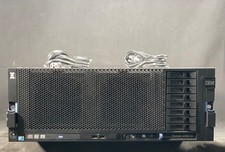
IBM System X3850-X5 Server w/4x Intel Xeon E7-4870 CPU , 512 GB DDR3 RAM,NO HDD
$1299.99
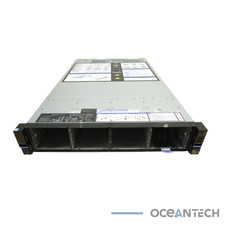
IBM QRadar xx29 2x Xeon E5-2650v4 2x 900W PSU M5120 12x 3.5" Bay Server No RAM
$179.99
IBM ADP Server Type 7870 AC1 NO HDD | 128GB RAM PC3L | 2 x Xeon E5620
$199.99
IBM S814 8286-41A Power8 Rackmount Server
$450.00
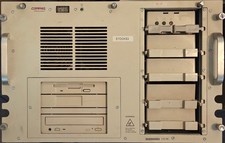
Compaq ProLiant 1500R 5/100 rack server, Series 3155, with IBM 2.1GB HD, VINTAGE
$295.00
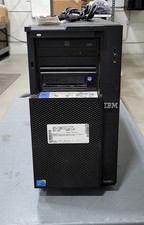
IBM SYSTEM X3500 M3 SERVER 7380AC1 TOWER Server XEON E5620 8GB RAID SEE NOTES
$110.30
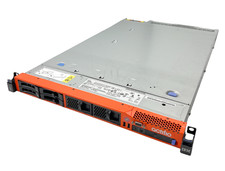
IBM System x3550 M3 1U Server 2x Xeon E5645, 192GB RAM, 2x 300GB HDD (7944-AC1)
$150.00
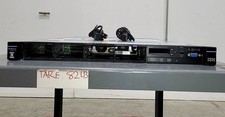
IBM SYSTEM X3550 M5 5463AC1 2.5x8 Server 2*XEON E5-2640 V3 8GB SEE NOTES
$85.99
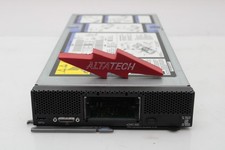
IBM 9532-AC1 FLEX SYSTEM X240 M5
$194.99
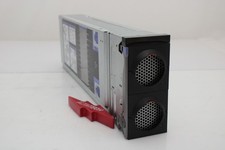
IBM 00FN709 X3850 X6 Compute Book 3837 Barebone
$114.99



 Reply With Quote