-
Administrator
Site Admin-

Originally Posted by
ockham23
@Harry: I don't understand. What's wrong about cable select?
My biggest concern is that while hard drives usually come with a new style 80 wire IDE2 cable, the optical drives I see usually come with no cable and never with an IDE2 cable, and an older style IDE1 that will not work for CS is usually already in the case or comes with most motherboards.. While IDE1 cables can be specially manufacturered to do CS, it is a more expensive process (the cable has to be split into 3 parts and a twist added between the second and third connector) and although I've worked on a lot of computers I've never actually seen an IDE1 cable that would support CS. I have heard but not confirmed that IDE2 supports CS in it's standard form. If this is true and if the user really understands about using the right cable and not what came in his computer when he got it, then CS should work. But why should anyone do this? CS was mainly created for the sake of manufacturers, not end users. In theory it allows faster assembly because a manufacturer can have all drives jumpered the same and then they are properly configured by where they are on the cable. But for an end-user, who already has drives that are not jumpered to CS, the solution only introduces the potential for problems, such as the wrong wire now or even the wrong cable later when somone works on the system. Rather than remove both drives and change the CS settings on both drives, the user really needs only to look at both sets of jumpers to make sure one is master and the other slave; it is likely that at most one of the drives will have to be changed in such a case. They can also select which drive is master based on type of drive (putting the DVD before the CD) and/or by position in the case (helping make the drives letters in a Linux system make logical sense) rather than being totally dependent on how the IDE cable is routed.
So with no real up-side and potential downside, I see no reason for the home user to use CS on their drives.
Similar Threads
-
By zandoval in forum Networking
Replies: 0
Last Post: 03-05-2005, 03:39 AM
-
By Praxis in forum Networking
Replies: 0
Last Post: 07-19-2004, 07:24 PM
-
By gradnite in forum Hdd Install / Debian / Apt
Replies: 4
Last Post: 07-11-2004, 08:54 AM
-
By poweribo in forum General Support
Replies: 2
Last Post: 06-30-2004, 08:26 PM
-
By A. Jorge Garcia in forum General Support
Replies: 4
Last Post: 05-08-2004, 01:35 PM
 Posting Permissions
- You may not post new threads
- You may not post replies
- You may not post attachments
- You may not edit your posts
-
Forum Rules

SK Hynix 1TB PC801 M.2 NVMe PCIe Gen4x4 2280 SSD
$100.00
Samsung 2.5" 870 EVO SSD SATA III 250GB 500GB 1TB Internet Solid State Drive Lot
$60.00
External SSD 1TB 2TB 4TB Portable Hard Drive USB 3.0 Type-C High Speed PC Mac
$19.99
Dell Latitude 14" Laptop Computer Intel i5 Up To 32GB RAM 1TB SSD Windows 11 Pro
$545.25
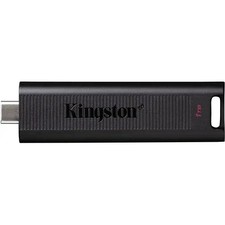
1TB Kingston DataTraveler Max DTMAX/1TB USB Type-C Flash Drive
$86.95
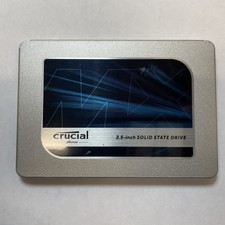
Crucial MX500 1TB 2.5" SATA III Internal SSD CT1000MX500SSD1
$99.99

SAMSUNG T7 Portable SSD 1TB Indigo Blue USB 3.2 Gen2 External MU-PC1T0H/AM
$159.99
Acer Predator Helios Neo 16S AI 16" i9 275HX 2S RTX 5070 Ti 32GB 1TB SSD Refurb
$1746.47
Dell Latitude 14" Laptop Computer Intel i7 Up To 32GB RAM 1TB SSD Windows 11 Pro
$330.73

External Solid State Drive USB 3.2 Gen2, 1TB SSD External Hard Drive with C to A
$100.00



 Reply With Quote