-
Administrator
Site Admin-

Originally Posted by
cmoder
Since the router can be contacted without problems and DCHP seems to work, I guess the problem lies somewhere in the network layer of Linux. But I have only few knowledge of network tools like arp so I cannot find out more.
I wouldn't be so fast to point a finger at the Linux network layer. I've seen one router (a Belkin) that has DHCP problems with Linux (I blame the router), but all of the routers I've tested here (about 10) and several at friend's locations all work with Linux. Even the Belkin after I manually did a netcardconfig. I haven't seen this reported from other router users here either. I just gave a friend a DVD last night. Curious non-network related error message when he first booted, but then he rebooted and all was well, he was on the network right away. Linux is used on more web servers that Microsoft, it's network layer is pretty mature and stable.
Firewalls on other systems certainly can stop you from pinging them. But they have nothing to do with your reported problem of not being able to ping the router.
We are talking about Knoppix run right from the disc and not Knoppix run from the hard disk, are we not? I pitty the fool who installs Knoppix to hard disk, but I don't get involved in trouble shooting the many problems it introduces.
You should certainly do testing with network encryption disabled and only turn it back on after you have the rest of the system working. Encryption can be an issue and it's best to get things working in layers, not all at once, particluarly when there is a problem and you don't know the source.
One tool that might help at this point is ethereal. It's right on your Knoppix disc. It will let you watch the wire (or, in the case of monitoring one's own system, what the device interface thinks is on the "wire") and see at a low level what is really happening when the ping is lost. It's best to use with a third computer and a hub to really watch the packet exchange between two wired systems but you can learn an awful lot just by using it to look at your own network card's packets. Hopefully it will work with a USB device.
My guess is that it is not the network layer at all. I think it is much more likely a USB issue. I'm not at all surprised when wireless devices don't work under Linux, but I am intrigued by this where you say the DHCP worked but after that the device did not work.
Similar Threads
-
By m2bord in forum Networking
Replies: 7
Last Post: 08-01-2005, 04:03 AM
-
By The Conman in forum Networking
Replies: 0
Last Post: 01-27-2005, 01:01 AM
-
By Zuiden in forum Hardware & Booting
Replies: 0
Last Post: 01-20-2005, 04:09 AM
-
By charshep in forum Networking
Replies: 9
Last Post: 11-10-2004, 08:41 AM
-
By Nu2Knoppix in forum Hardware & Booting
Replies: 1
Last Post: 02-10-2003, 03:08 AM
 Posting Permissions
- You may not post new threads
- You may not post replies
- You may not post attachments
- You may not edit your posts
-
Forum Rules

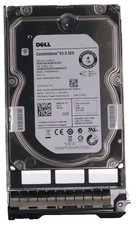
Dell 6P85J 4TB ST4000NM0063 7.2k 6Gb/s 3.5” SAS SED Hard Drive with Tray
$39.99
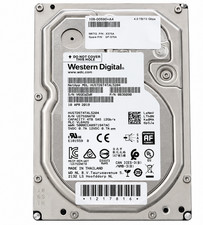
Western Digital HUS726T4TAL5204 4TB 7.2K SAS 12Gb/s 3.5" 512e HDD NetApp X375A
$64.00
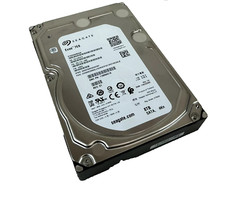
(ST8000NM0045) SEAGATE ENTERPRISE 8TB 7200RPM 4Kn SATA 6Gb/s 3.5" HARD DRIVE
$199.99
Seagate ST8000DM004 8TB 3.5" 6Gb/s 256MB SATA HDD P/N: 2CX188-300 Tested
$149.99
Seagate ST500DM009 BarraCuda 500 GB 3.5" SATA III Desktop Hard Drive
$14.99
HGST Ultrastar 7K4000 3TB 7200RPM SATA III 3.5" Hard Drive HDD HUS724030ALA640
$39.99
HGST HUA723030ALA640 3TB SATA 7200 RPM 3.5 in Enterprise HDD | 0F14044 (100%)
$45.00
Dell ST6000NM0034 1HT27Z-150 NWCCG 6TB SAS 3.5 7.2K ENTERPRISE SERVER DRIVE
$68.99

DELL 2TB Enterprise HDD (7200RPM, 3.5", SATA III, 128MB Cache) HUS722T2TALA600
$49.95
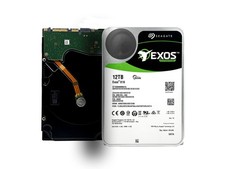
Seagate Exos X16 ST12000NM001G 12TB 256MB 7200RPM 3.5" SATA 6Gb/s Enterprise HDD
$349.95



 Reply With Quote