-
Re: Update on the kio thingy

Originally Posted by
dmiceman
Originally Posted by
sheldonl
However, it seems that some recipies are not without their problems. For some reason some programs don't work properly. e.g. ksirc doesn't save my preferences or anything. I think that the IO Slave is of much more utility if a recipe is *not* a shell script, but a series of MACRO actions that are interpreted into actual actions on the file system by the daemon. These MACRO's could be defined by plugins to the daemon (service) and be written in shell, perl, python, c, c++ etc. I could probably use the plugin and MACRO code from lineakd to do this but it's a pretty large undertaking, it involves completely standardizing, codifying and reingineering the klik system. However, then each distribution can write macros that are specific to them and you don't have to put platform specific code into the the recipie.
That is bring up another question: how much infrastructure should be on target computer when it trying to handle klik: link. If recipe will be macro, then there should be some sort of package manager installed already on computer which can process incoming recipe into instructions like: get this file, register some mime type handler, etc, etc.. That is not bad, but it is more difficult task. And it is require much more specifications, definitions, etc..
Of course, it is more work, but consider what would happen if we use kommander scripts as MACROs that can be leveraged within recipies for KDE applications. We could very well have nice installers/uninstallers for applications.
Similar Threads
-
By vlader2004 in forum Ideas
Replies: 1
Last Post: 01-06-2005, 01:04 AM
-
By pinku in forum Networking
Replies: 0
Last Post: 02-07-2004, 09:52 AM
-
By cloeser in forum Ideas
Replies: 2
Last Post: 10-03-2003, 10:50 AM
-
By freeballer in forum Ideas
Replies: 1
Last Post: 02-20-2003, 10:07 PM
-
Replies: 26
Last Post: 01-17-2003, 03:01 AM
 Posting Permissions
- You may not post new threads
- You may not post replies
- You may not post attachments
- You may not edit your posts
-
Forum Rules


Dell Precision T5820 Workstation 3.70GHz W-2135 No RAM/ GPU/ HDD/ OS
$179.98

Dell Precision Tower 7810 Xeon E5-2630 v3 @ 2.40GHz , 32GB Ram, NO HDD, NO OS
$239.99

Dell Precision T7820 2x Xeon Silver 4114 2.20GHz 950W No RAM GPU HDD 4x SATA
$350.48
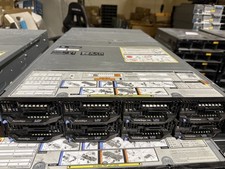
Dell PowerEdge FX2s + 8x FC430 Blades 16x E5-2630v4 160 Cores Rails No PSU/RAM
$699.00
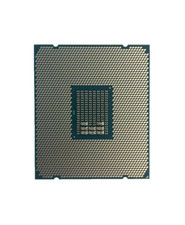
INTEL XEON E5-2680V4 SR2N7 2.40GHZ CPU
$11.00
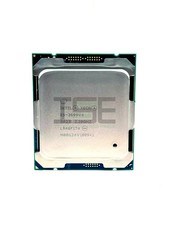
Intel Xeon E5-2699 V4 2.20GHz 55M 22-CORES LGA2011-3 Server Processor 145W SR2JS
$84.49
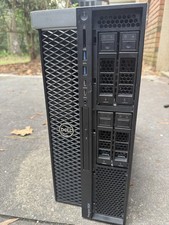
DELL Precision 5820 Workstation Xeon W-2123 3.6ghz/NO RAM/NO SSD/P400 Vid
$139.99

Dell Precision T7820 2x Xeon Gold 6130 2.10GHz 950W No RAM GPU HDD 4x SATA
$374.48

Dell EMC PowerEdge R440 Xeon silver 4215 2.5GHz 16 GB ram 2x 550W PSU No HDD
$275.00

DELL Precision T3420 | Xeon 1240v6 | 525GB SSD |16GB RAM |Nvidia GPU |Win11
$149.00



 Reply With Quote