-
Junior Member
registered user
Well Done!
I'm still stuck on "geometry" as one of the keys to bootability, though. I get maximum bootability by formatting (and creating the partition) with the HP utility even though I then install grub in the mbr - which overwrites the boot code but not the part table. Touching the part table (other than setting the active flag) with Linux fdisk limits bootability on some of my test boxen. (Pretty sure about this - I need to re-test, though with Linux fdisk in expert mode).
I've also tried putting grub in the partition's boot sector and using a box-stock XP mbr w/the HP part table. That seems to boot as well as the HP + grub mbr approach: machines that reject fob formatted w/Linux will still boot this combo.
Still, I'd be curious to know if any other failures happen, when trying to boot from a USB thumbdrive that has been correctly recognized by the BIOS. What BIOS versions are in the computers that worked to boot drives formatted with the HP formatter but didn't work to boot drives formatted with other tools?
That, to me, is by far the hardest problem: getting the BIOS to see the drive, in the first place! If the BIOS can see the USB thumbdrive well enough to set it up as the bootable "hard drive" (the 0x80 device), and run the MBR properly, things just work from there, I have found.
One older Intel MB/BIOS will try to boot my test fob if I use the HP formatter, but hangs solid at "GRUB". 
I will try to find the time to experiment more w/geometry and see if my theory has any merit. AND note the BIOSes involved.
Z.
Similar Threads
-
By jengiscan in forum MS Windows & New to Linux
Replies: 3
Last Post: 08-25-2008, 11:15 AM
-
By Joseph Schiller in forum Customising & Remastering
Replies: 2
Last Post: 11-17-2004, 11:44 PM
-
By hw.stadl0r in forum Customising & Remastering
Replies: 2
Last Post: 05-14-2004, 04:01 PM
-
By matt_w_lambert in forum Customising & Remastering
Replies: 6
Last Post: 01-05-2004, 10:20 PM
-
By ironstorm in forum Hdd Install / Debian / Apt
Replies: 5
Last Post: 11-23-2002, 08:26 PM
 Posting Permissions
- You may not post new threads
- You may not post replies
- You may not post attachments
- You may not edit your posts
-
Forum Rules

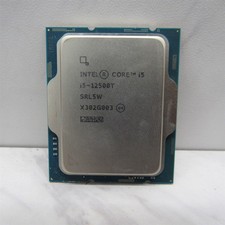
Intel Core i5-12500T SRL5W 2GHz 18MB 6 Core Socket LGA1700 Desktop CPU Processor
$114.99

INTEL CORE I9-10940X X-SERIES PROCESSOR | 3.30GHZ | SRGSH
$179.99
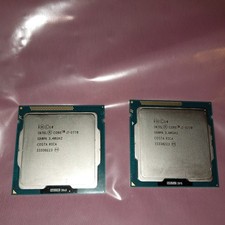
(Lot of 2) Intel Core i7-3770 3.40GHz CPU Processor SR0PK LGA1155- CPU599A
$60.00
INTEL CORE I9-10980XE PROCESSOR | 3.00GHZ | SRGSG
$299.99
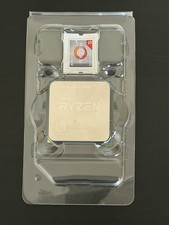
AMD Ryzen 5 5500 Processor ( read Description)
$59.00
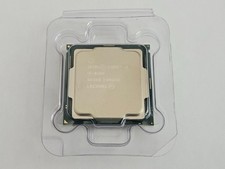
Intel SR3XE Core i5-8500 3.0GHz 9M Socket 1151 6-Core CPU Processor *Tested*
$32.99
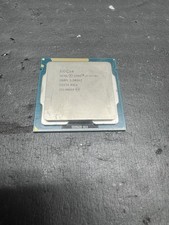
Intel Core i7-3770K 3.5 GHz Processor
$39.00
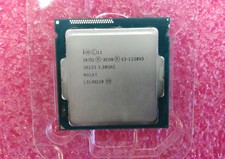
Intel Xeon E3-1230 v3 SR153 3.3GHz Quad Core LGA 1150 CPU Processor
$14.49
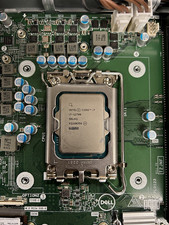
12 Gen Intel i7-12700 4.45GHz 12-core CPU
$205.00
Lenovo ThinkCentre M920s SFF Barebones PC Motherboard PSU DVD No CPU RAM SSD
$27.99



 Reply With Quote