-
Administrator
Site Admin-

Originally Posted by
garrincha
Apparently, you're supposed to delete only the Non-DOS partitions?
No, Fdisk can delete any partition, DOS or non-DOS. Actually, some old versions of Fdisk refused to delete the non-DOS partitions (over agressive safety on Microsoft's part as far as I'm concerned), but the version that you have seems to have grown out of that. Of course, deleting DOS partitions means that you could delete your data or even the entire OS if you don't know what you are doing, so do it when you have a very good idea of what you are doing and be careful.
It sounds like you now have an extended partition but there are no logical drives defined it it. Great, as you can only delete an extended partition when using Fdisk if it is completely empty (another safety issue, there is no real reason why a prorgam couldn't detelt an extended partition no matter what was in it). So you should be able to use Fdisk to delete the extended partition just fine. I'm assuming that windows sees only a C drive and no other hard disk partition is available to it (unlike before when D could be seen but was not formatted). Just be sure that you delete the extended partition and not the primary partition.
As to undoing a dual boot install, I think it covers what I already said. You remove the Linux partitions (or just leave them there and ignore them if you want). You get the program that starts the multi-booting out of the Master Boot Record (I told you how to do this with Fdisk). The Windows partition should be marked active, but I believe that it will still be marked active and this is not changed by the Linux install, but if you somehow find that you need to mark it active again you can do this with Fdisk also.
Similar Threads
-
By eric.stone in forum Hdd Install / Debian / Apt
Replies: 2
Last Post: 02-11-2006, 07:08 PM
-
By nmitchell in forum Hdd Install / Debian / Apt
Replies: 4
Last Post: 07-11-2005, 10:09 PM
-
By nmitchell in forum MS Windows & New to Linux
Replies: 5
Last Post: 07-10-2005, 11:28 PM
-
By Kaldrenon in forum Hdd Install / Debian / Apt
Replies: 2
Last Post: 08-24-2003, 12:44 AM
 Posting Permissions
- You may not post new threads
- You may not post replies
- You may not post attachments
- You may not edit your posts
-
Forum Rules

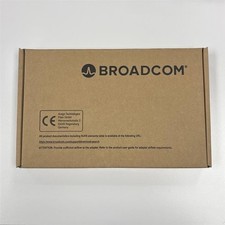
MegaRAID 9580-8i8e 16-port 12G SAS/SATA/NVMe 8GB PCIe RAID - 05-50076-00
$1619.19
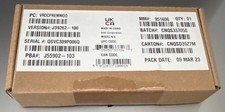
Intel VROC Premium RAID Controller Card PCIe Add-On Module VROCPREMMOD
$265.00
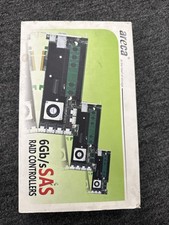
Areca ARC-1882IX-24 (16i4e)24-Port RAID Controller Card w/BBU /HDD Monitor Board
$300.00

OWC Mercury Elite Pro 2 Bay RAID Enclosure with USB 3.2 for Dual 3.5 inch HDDs
$87.99
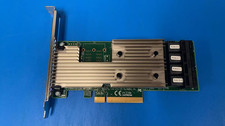
Broadcom LSI 9305-16i 12Gbps SAS-3 PCIe x8 HBA 16-Ports Raid Controller
$64.99
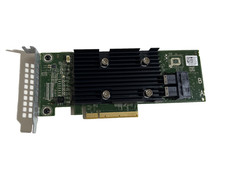
Dell PowerEdge HBA330 LP PCI-E 12GBs RAID SAS Controller Adapter J7TNV
$18.95
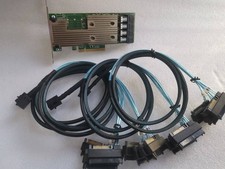
LSI 9305-16i SATA SAS 12Gbs Controller card PCIe 3.0 IT-Mode w/SAS SATA cable US
$125.98
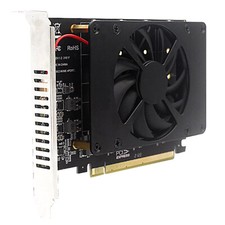
NVME M.2 Adapter Card PCIE X16 Splitter Expansion Controller 4-Disk Soft RAID
$24.43
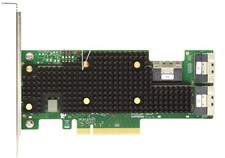
Broadcom 9600-24i RAID Controller PCIe Gen 4.1 Tri-Mode NEW 05-50111-01004
$649.99
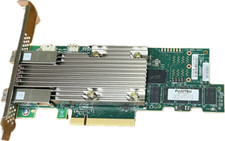
Broadcom MegaRAID 9480-8e Fujitsu PRAID EP540e SAS RAID Card (Replac 9380-8e) 8i
$228.00



 Reply With Quote