-
Senior Member
registered user
--With a sufficient number of users, you will eventually run out of available seperate partitions, even with Extended/Logical in effect. Somewhere around 16, 20 or mebbe 24 I think. (Altho I've never had to have that many myself. I think the most I've gone up to is around 12 or 13, and that's on an 80-gig HD.) However, you might get around this limitation with multiple HD's and multiple "home-only" server boxes with NFS.
--Putting /home itself on a separate partition is a good idea though, as it can last through various flavors of Linux as well as being a bit more secure.
--Which flavor do you run on your Linux router? Have you used LRP*, and do you recommend it?
--The part that I'm most interested in, having never done a software router myself (tried the Linksys hardware DSL sharing solution, but since it only uses class C (192.168...) it didn't work with my Class A setup {10.0...}) is the actual rules that people use in RL. Rickenbacherus, if you or anyone else could post an example of what specific rules you use and why, it would be a great help to me.
( * LRP:
http://freshmeat.net/projects/linuxr.../?topic_id=864,
http://www.linuxrouter.org/ )

Originally Posted by
rickenbacherus
Your concerns John Doe are why I choose to run a Linux router....(snip)
If you want
real security build your own router. Boot the OS from a removable disc, either a floppy or cdrom. If your router OS is installed on a hard drive then it can be written to-
period.
(snip)
Build a router, make it small, make it cool looking- install Linux to your network machines, put each users /home directory on a seperate partition, don't get lazy with permissions and you will likely never reinstall an OS again.
Well ok that's not entirely true. You see...............Linux in and of itself is highy addictive and you will soon find yourself saying "so many distro's so little time".

Similar Threads
-
By prelude in forum Networking
Replies: 7
Last Post: 09-15-2004, 04:17 AM
-
By lordb in forum Hdd Install / Debian / Apt
Replies: 1
Last Post: 05-02-2004, 06:43 AM
-
By alxdotnet in forum Hdd Install / Debian / Apt
Replies: 0
Last Post: 02-12-2004, 05:57 PM
-
By Bd84 in forum General Support
Replies: 12
Last Post: 05-27-2003, 04:16 PM
-
By WT in forum General Support
Replies: 1
Last Post: 12-31-2002, 09:21 PM
 Posting Permissions
- You may not post new threads
- You may not post replies
- You may not post attachments
- You may not edit your posts
-
Forum Rules

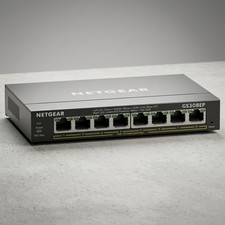
NETGEAR GS308EP Essential Series 8-Port Gigabit PoE+ Unmanaged Switch
$39.99
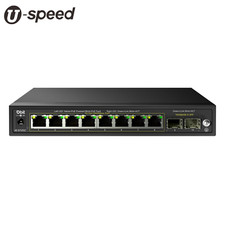
10-Port Gigabit PoE Network Switch with 8 PoE+ Ports with 2 Combo SFP Slots 125W
$39.99

Cisco WS-C3650-12X48UR-L 48-Port Stackable Layer 3 8x10G SFP+ Port Switch
$129.99
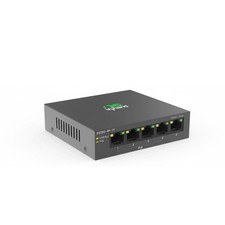
5Ports Gigabit Network Switch w/ 4 PoE+ Ports Total 52W each port 30W Plug&Play
$31.99
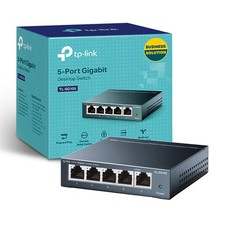
TP-Link TL-SG105 5-Port Gigabit Ethernet Unmanaged Metal Desktop Network Switch
$19.99
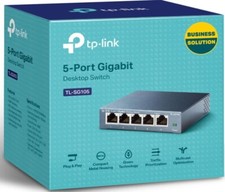
TP-Link TL-SG105, 5 Port Gigabit Unmanaged Ethernet Switch, Network Hub, Ethern
$15.25
Arista DCS-7010T-48-R 48P 1GbE 4P 10GbE SFP+ RA Switch with rack mounts
$69.00
Cisco Catalyst 2960-48TT-L 48-Port Fast Ethernet Managed Rackmount Switch
$46.99

NETGEAR 5-Port Gigabit Ethernet Unmanaged Switch (Gs305) - Desktop Quiet Fanless
$25.99
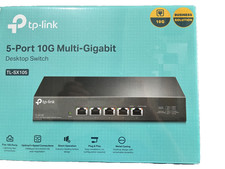
TP-Link TL-SX105 10GB 5-Port Switch - Unopened
$195.00



 Reply With Quote