-
Administrator
Site Admin-

Originally Posted by
ibrewale
From what I gather then, unless I can turn off the 'router' portion of the netgear WGT624 specifically, I'm stuck and should look really to buy a switch?
There are issues running double NAT. It can make it hard for some systems that automatically bypass a NAT firewall to work (Skype, Hamachi, Gtalk for example) and may conflict with some on-line games. You local network likely will not work properly between things on the second router and computers on the first (in you case it sounds like everything is connected to the second). As I said, some people live with double NAT and it should work OK for simple web browsing, but I avoid it myself. I don't want to discourage you from tryiong to get what you have working, just want to let you know there are some issues.
Originally Posted by
ibrewale
If so, any specific switch better than others, or is it just the cheaper the better?
Pretty much any small inexpensive unmanaged switch intended for home use should do it. A simple 10/100 5 port switch can sometimes be found for around $10. Switches with more ports tend to be more expensive, do about the same except provide more ports. A hub will also do the job but hubs are older technology and should be avoided unless you have specific use for one (like packet sniffing) or you can get an old one free.
Originally Posted by
ibrewale
If I stick a switch in, any issues getting it up and running in linux?
A simple unmanaged switch (you don't want to be buying an expensive managed switch for industrial use) just expands the number of ethernet ports available. While it has some smarts to it (it automatically builds it's own routing table and knows which devices are on which ports), it does not have it's own IP address and is basically transparent to the network. So if you plug a switch between the DSL modem (with internal router) and the computer, that computer will get it's DHCP setup from the modem/router and should get an IP address in the range that the modem/router is handing out. Other devices plugged into the switch will also do DHCP with the modem/router and get their owm IP addresses. So your network with a switch should work just as it did if you plugged the computer into the modem. This would also be the case if the wireless router had an option to run as a switch.
Of course, there is still the issue of the wireless side of the new router. If you want to connect wirelessly you'll need to use that router, or get an "access point". If you plan on using the wireless router then I expect that you would be better off with all computers behind the second router (double NAT) than some computers on a switch and one or two on a wireless connection and only them behind double NAT)
Similar Threads
-
By HoBiT in forum Networking
Replies: 1
Last Post: 05-11-2005, 09:13 PM
-
By emilia in forum Networking
Replies: 1
Last Post: 08-28-2004, 02:10 AM
-
By mharazin78 in forum Networking
Replies: 4
Last Post: 04-14-2004, 07:36 PM
-
By vesselinpeev in forum Networking
Replies: 6
Last Post: 09-29-2003, 05:32 AM
-
By Dagger in forum General Support
Replies: 2
Last Post: 01-03-2003, 03:54 AM
 Posting Permissions
- You may not post new threads
- You may not post replies
- You may not post attachments
- You may not edit your posts
-
Forum Rules


IBM 4262 SYSTEM x3200 Tower - HDD Wiped, NO OS
$80.00
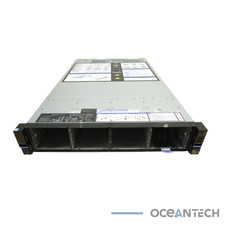
IBM QRadar xx29 2x Xeon E5-2650v4 2x 900W PSU M5120 12x 3.5" Bay Server No RAM
$149.99
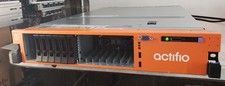
IBM 7915 AC1 M4 E27R704 Server Intel 2650V2 32GB RAM NO HDD w/ 2x 750w PSU
$200.00
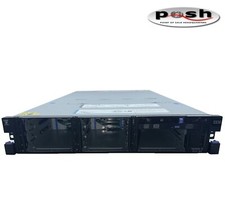
IBM System x3755 M3 2U Rackmount Server – No Drives or Trays
$150.00
IBM Power S922 9009-22A Power9 DDR4 10GbE 6X SFF Barebone Server
$999.95
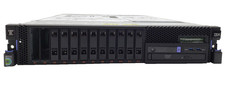
IBM Power S822 POWER8 1x CPU 32GB DDR4 RAM 2U Rack Server No HDD.
$629.99
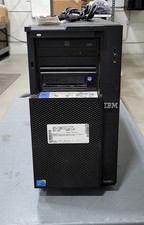
IBM SYSTEM X3500 M3 SERVER 7380AC1 TOWER Server XEON E5620 8GB RAID SEE NOTES
$107.56
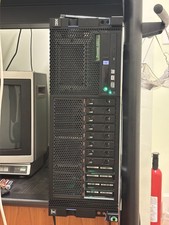
IBM POWER8 8286-42A S824 16-Core 128GB RAM 4.8TB SAS Fedora Linux Server PowerVM
$750.00

IBM System X3650 M3 Server Xeon E5620 2.4 GHz 16 GB Ram Raid M5015 No OS No HDD
$87.96
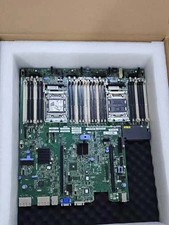
IBM X3650 M4 Server System Board 00MX553 00AM209 00Y8499 00Y8457 00D2888 00W2671
$230.00



 Reply With Quote