-
Administrator
Site Admin-

Originally Posted by
zebraboxers
Are they selling these? If I had gotten both of my Linux operating systems free of charge, would I breaking the law? Assuming I payed for Knoppix, what would make my copy different (or more popular than) Butonubu or PCLinux?
You can buy copies of these distros, or even of Knoppix. You certainly don't have to, a free downloaded copy is perfectly legal and IMHO its far better. When you download you should be getting the newest version with the most current bug fixes (assuming that is what you chose to download). When you buy you might be getting whatever version the seller had handy. Also, many sellers make high speed burns (to maxamize their profit, do you really think they are taking 20 minutes or more per disc and then selling you quality media properly burned for $2? As long as you have a high speed connection you are much better of burning your own discs, or, for Debian at least, doing a "net-install" across the Internet.
As to Assuming I payed for Knoppix, what would make my copy different (or more popular than) Butonubu or PCLinux?, well, paying for it might well give you a sub-standard copy that will not always boot properly. Other than that, distros are different. Knoppix is a Live CD or DVD. While some insist on fighting with the problems of a Knoppix hard disk install, it is not really intended for hard disk and not suitable for it (IMHO). The other distros you mention are (actually, I never heard of Butonubu, did you type that properly? I know of Ubuntu and Kubuntu but not Butonubu. If there is such a distro, and there well could be, use the site where you found it for information on it). Different distros simpy have different target users. They may incorporate different Linux features, may use different package systems to install and manage add-in software (for example, not all Linux distros use the Debian apt-get system, Red Had uses a completely different system) and have other differences. Knoppix differes from many other distros in being a Live CD, it was one of the first distros intended to boot and run right from CD and do automatic hardware detection, configuring itself for the system it was booted on. It's far from the only Live CD at this point and there are many other Live CDs out there. Some are general purpose systems like Knoppix, many others are targeted at specific uses (see Helix of computer forensics or Backtrack 2 for network security, or DSL or Puppy Linux for live systems that require much less space and have very good ways to allow a user to install additional software cleanly). It's up to you to choose what system is right for you (the large nuber of choices can often make this a difficult choice, and asking what distro is best is a lot like asking what religion is best, most responses will be of the form my religion is best.
Similar Threads
-
By cli168 in forum Hdd Install / Debian / Apt
Replies: 3
Last Post: 06-20-2005, 03:57 AM
-
By charles1981 in forum Hdd Install / Debian / Apt
Replies: 2
Last Post: 03-21-2005, 06:42 AM
-
By DirkEbert in forum Hdd Install / Debian / Apt
Replies: 3
Last Post: 12-22-2004, 03:15 AM
-
By Zibar in forum Hdd Install / Debian / Apt
Replies: 1
Last Post: 11-17-2003, 03:58 AM
-
By Calman in forum General Support
Replies: 1
Last Post: 07-22-2003, 01:18 AM
 Posting Permissions
- You may not post new threads
- You may not post replies
- You may not post attachments
- You may not edit your posts
-
Forum Rules

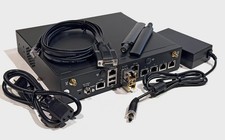
OPNsense pfSense 8-Core Atom C3758 2.2GHz 8GB DDR4 64GB SSD 8x NIC QAT AES VPN
$145.00
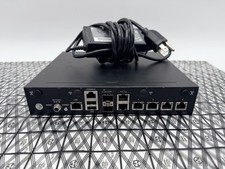
OPNsense Firewall 8-Core Atom C3758 4GB DDR4 RAM 64GB SSD 8x 1Gbe QAT AES-NI VPN
$95.00
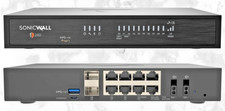
SonicWall TZ280 Firewall 03-SSC-6933 Advanced Edition 3YR NEW SEALED
$999.99
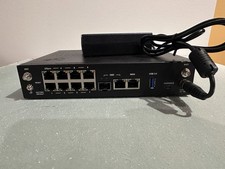
Check Point 1590 Firewall & w builtin WiFI and builtin LTE sim slot
$95.99

OPNsense pfSense 16-Core Atom C3958 16GB ECC RAM 512GB SSD 8-Port QAT AES-NI VPN
$258.00

Fortinet FortiGate 60F FG-60F UTM UTP License Until 2027 Network Security FW VPN
$219.99
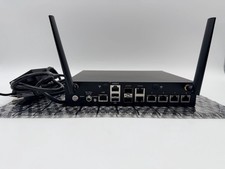
OPNsense Firewall 16-Core Atom C3958 16GB DDR4 RAM 64GB SSD 8x 1Gbe QAT AES-NI
$195.00
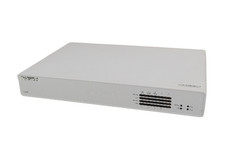
Sophos XG 125 Rev.3 Desktop Firewall 8x GbE 1x SFP Wiped - No Power Adapter
$74.99
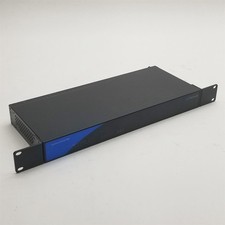
Barracuda NextGen CloudGen Cloud Based Firewall F280 BNGF280a w/ 8.3.1 Firmware
$89.99
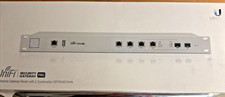
Unfi Security Gateway Pro
$170.00



 Reply With Quote