


 Reply With Quote
Cool, isn't it?


Hey, just did a hard drive install of Knoppix on my Win XP machine and it runs much faster than the CD based version. Has some nice additional features too and is a must for any Knoppix user. I'm a Linuxnewbie, but here's what I did:
-Backed up my data
-I had a second hard drive so I used that one in case something went wrong. I used Partition Magic 7.0 to partition my existing fat32 drive into a Linux Ext2 partition (5 Gigs) and a Linux Swap partition (1 Gig).
-Booted knoppix from the hard drive and opened a terminal window
-Typed 'sudo su' to give root access
-Typed 'knx-hdinstall' to start the Knoppix installation program
-The installation will walk you through a bunch of choices. The most important one is to make sure you install Knoppix to the correct partitions (the ones you just created)
-At the end of the install it will ask you to either write a boot manager to the master boot record (typically C) or create a boot floppy. Either one should work fine. In case you ever have problems with the boot manager, you can always restore your master boot record by booting to DOS with a floppy and typing 'fdisk /mbr' at the prompt
-Reboot and enjoy your new (and better) OS
-As a newbie, what are some of the things I can do with Linux? Can anyone direct me on how to install packages or say, update the kernel?
Cool, isn't it?
To install and remove packages you can use apt and dpkg.
You can find a brief overview of them here:
http://people.debian.org/~mrd/deb-ref/apt-dpkg-ref.html
A more in depth explanation is here:
http://www.debian.org/doc/manuals/ap....html#contents
To install a package, basically do this (as root).
apt-get install packagename
Debian solves the dependency hell problem encountered by other distros by downloading and installing any dependencies that you might need.
Somtimes you want to see how this is going to work out in advance to type: apt-get -s install packagename to see what will happen when you tri to install your package.
Just understand that before you download and install stuff you generally want to make sure you have an up to date list of packages. To do this type: apt-get update You can then upgrade all the packages on your system that need updates by typing apt-get upgrade.
One last thing. I've found that since Knoppix is a mixture of the Debian stable, testing, and unstable release you sometimes need to specify what branch you want to grab and install from in order for it to work.
For example: apt-get install evolution/unstable
or if that doesn't work
apt-get -t install evolution unstable.
Hope this helps you out.
If you master these few commands you'll be amazed how easy it is to get new packages for your system.
 Posting Permissions

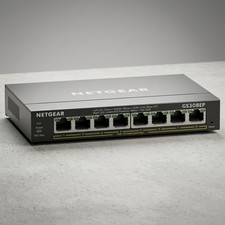
NETGEAR GS308EP Essential Series 8-Port Gigabit PoE+ Unmanaged Switch
$39.99

NETGEAR 5-Port Gigabit Ethernet Unmanaged Switch (Gs305) - Desktop Quiet Fanless
$22.00
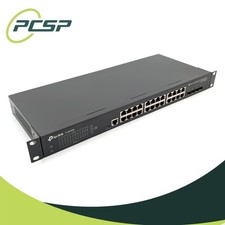
TP-Link Omada SG3428 24-Port Gigabit L2+ Managed Switch 4x SFP w/ Ears
$99.99

Cisco WS-C3650-12X48UR-L 48-Port Stackable Layer 3 8x10G SFP+ Port Switch
$129.99
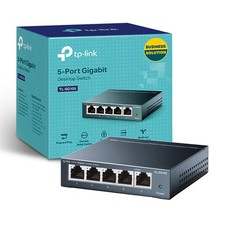
TP-Link TL-SG105 5-Port Gigabit Ethernet Unmanaged Metal Desktop Network Switch
$19.99
TP-Link TL-SG2210P 10-Port Gigabit Smart Switch w/ 8-Port PoE+ NO AC SKU 25597
$36.98
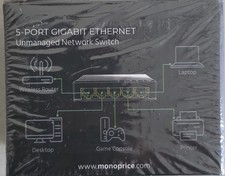
Monoprice 5-Port 10/100/1000Mbps Gigabit Ethernet Unmanaged Switch Network Hub
$8.99
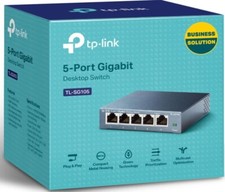
TP-Link TL-SG105, 5 Port Gigabit Unmanaged Ethernet Switch, Network Hub, Ethern
$15.25
~NIB~ Netgear GS728TPP-300NAS V3 24 PORT GIGABIT POE MNGD W. 4 SFP PORTS
$349.95
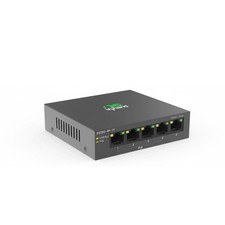
5Ports Gigabit Network Switch w/ 4 PoE+ Ports Total 52W each port 30W Plug&Play
$31.99