-
Administrator
Site Admin-

Originally Posted by
apocalypse2012
..... If you can't install it what good is it except to fix a broke ass XP install.
It is what it is. A Live CD. A handy way to introduce people to Linux. A great tool for file recovery (I would never actually try to "fix" an XP system with it, just get the files that I need and then reinstall a fresh copy of Xp from the original discs. Writing anything to the XP NTFS partition with Knoppix may bring down the curse of Billy Gates upon you). It's a handy way to carry a copy of Linux with you and use in a rather secure way at any location. But the link that I gave you explains the problem in trying to use it as a regular hard disk install. Some people do, but if you haven't even tried Debian yet then you have absolutely no reason to suggest that Knoppix might offer you any advantage over Debian
Originally Posted by
apocalypse2012
So, the question is, Can I install Deb and have any chance of it working on my laptop?
I don't know if you are capable of doing that or not. It's a pretty simple install though, and the best way to find out is to try it. As long as you have a high-speed internet connection that you can do a net-install from, I would suggest getting the testing version of Debian (lenny) , the i386 flavor of the net-install ISO is here. Burn it to a CD-RW so that you can reuse the disc later, then do a net install. When you are asked for the type of install, select a desktop install (this will install Gnome, but you can later install KDE or any other desktop that you want, as well as any applications that you want, with apt-get). Quite frankly, you might even want to do a few installs, just to check out your options. The install will take a little while, depending on your connection speed, But will give you an up-to-date system with no need to refer to a stack of CDs when you want to install other applications (just net-install them with apt-get).
Back when Knoppix first came out, the Debian installer (and other Linux installers) were indeed technical nightmares. One had to record all sorts of hardware data, IRQ and DMA settings and lots of other stuff, run the installer, fill in all of the technical settings, and then eventually abort the install and go back and look something up that you didn't have recorded the first time. People complained about this and when Knoppix came out some were so impressed by it's hardware detection that they advocated installing Knoppix, even though it was known even then that it was a bad idea™. People complained that if Knoppix could do it then the installers should be able to do it to. Well, for once the developers listened and they greatly improved the installers. There is (IMHO) no longer any logic at all that justifies installing Knoppix, and certainly it makes no sense to do so without even trying to install Debain (I say Debian here because it is the intended for hard disk install that Knopix is based on and if you like Knoppix you should like Debain, but there are other Linux distro alternatives too.)
Similar Threads
-
By Kakarott2003 in forum German Forum
Replies: 0
Last Post: 09-03-2005, 03:41 PM
-
By KnoppixDawg in forum Hdd Install / Debian / Apt
Replies: 2
Last Post: 07-17-2004, 08:50 PM
-
Replies: 2
Last Post: 12-27-2003, 12:07 AM
-
By cmo131 in forum General Support
Replies: 2
Last Post: 11-05-2003, 06:03 AM
-
By eracerbit in forum Hdd Install / Debian / Apt
Replies: 5
Last Post: 10-19-2003, 11:50 PM
 Posting Permissions
- You may not post new threads
- You may not post replies
- You may not post attachments
- You may not edit your posts
-
Forum Rules

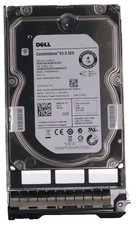
Dell 6P85J 4TB ST4000NM0063 7.2k 6Gb/s 3.5” SAS SED Hard Drive with Tray
$39.99
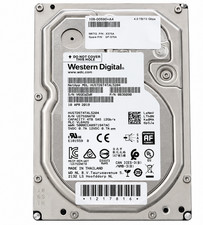
Western Digital HUS726T4TAL5204 4TB 7.2K SAS 12Gb/s 3.5" 512e HDD NetApp X375A
$64.00
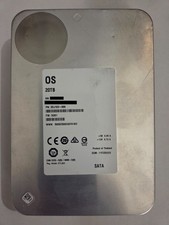
20TB 7200 RPM SATA III Internal 3.5" White Label Hard drive
$349.99
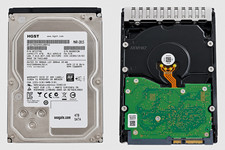
HGST Ultrastar HUS726040AL5210 4TB 7200RPM SAS 12Gb/s Enterprise HDD
$41.00
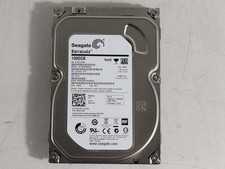
Seagate Barracuda ST1000DM003 1 TB SATA III 3.5 in Desktop Hard Drive
$23.99
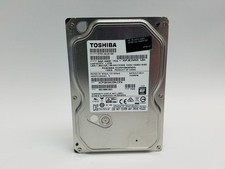
Toshiba DT01ACA100 1 TB 3.5" SATA III 3.5 in Desktop Hard Drive
$24.99
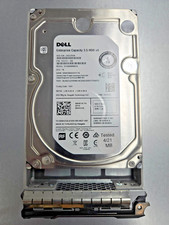
Dell ST6000NM0034 1HT27Z-150 NWCCG 6TB SAS 3.5 7.2K ENTERPRISE SERVER DRIVE
$68.99
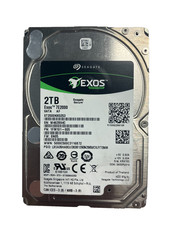
Seagate Exos ST2000NX0253 HDD 2TB SATA 7.2K 2.5" 512b/s
$58.00

Western Digital 1TB 3.5" SATA III 7200RPM Desktop Hard Drive
$34.99

DELL 2TB Enterprise HDD (7200RPM, 3.5", SATA III, 128MB Cache) HUS722T2TALA600
$49.95



 Reply With Quote