-
Senior Member
registered user
@ Forester
Greetings.
My scenario is very simple, and I can probably refine my question to be simpler.
I have a 2G SD Card which acts as a LiveUSB, made from a Knoppix 6.X LiveCD.
I assume its format is vfat, readable by either Linux or Windows.
I have a nice Windows 7 set-up, which has three partitions: one is fat32, with OEM stuff on it for booting, service and diagnostics; two are ntfs: one of these is for Windows 7 and file space; the other is ntfs which stores Win7 system images for system backups (or restores, if you prefer). For the time being, I am the more concerned only with the Win 7 OS and some files I may have there.
If I boot Win7, I can mount the vfat Knoppix USB, save, modify, add-to and delete with no Win7 complaints. My usual instance is for saving and resurrecting knoppix-data.img, thereby shortening the time it takes to re-create a few months of accumulated tweaks. I occasionally save a current copy of the whole of the 2Gb USB files contents on Win7, call this File A. On rare occasions, I bring the similar contents of another 2Gb USB file over to Win7, call this
File B. Working within Win7, using its file manager, I delete knoppix-data.img from File B and restore this with a copy of the knoppix-data.img from File A.
I have done this a few times only, but apparently with no ill effects, at least so far. The ill effect I most fear is screwing up either the OS or the files on Win7.
The file manager operations on my vfat files, I assume, are translated to an ntfs environment, operated upon there using ntfs rules, and the results then re-translated back to the vfat medium.
I am aware of remastering as an alternative, an am not at this time interested in that avenue. I am most interested in getting a sound professional appraisal of the simple process I have outlined.
If it turns out there is a hazard that the vfat product may have some difficulties I haven't anticipated, I can live with that. That might be interesting.
 Posting Permissions
- You may not post new threads
- You may not post replies
- You may not post attachments
- You may not edit your posts
-
Forum Rules

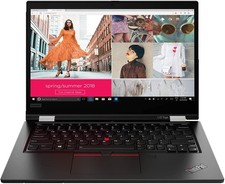
Lenovo ThinkPad L13 Yoga Touch Laptop 13.3” Core i5 8GB RAM 256GB SSD Win 11 Pro
$239.99
Lenovo ThinkPad L15 Gen 3 15.6" 16GB, Thunder Black
$241.50
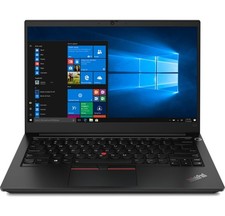
Lenovo ThinkPad E14 Gen 3 Laptop 14” FHD AMD Ryzen 5 16GB RAM 512GB SSD Win 11
$374.99
Lenovo ThinkPad L15 Gen 3 15.6" 16GB, Thunder Black
$241.50
Lenovo ThinkPad E14 Gen 2 Laptop 14” HD Ryzen 5 16GB RAM 512GB SSD Win 11 Pro
$319.99
Laptop Lenovo ThinkPad T14 G2 Ryzen 5 PRO 5650U 16GB 500GB Black Fair
$18150.00
Lenovo ThinkPad T14 Gen 1 14" AMD Ryzen 5 16GB 256GB SSD
$219.99
Lenovo - IdeaPad Slim 3i 15.3" 2K Touchscreen Laptop - Intel Core 7 350 2026 ...
$679.99
Lenovo ThinkPad T14s Laptop 14” Laptop Core i5 8GB RAM 256GB SSD Windows 11 Pro
$249.99
Lenovo ThinkPad T495 14” Laptop AMD Ryzen 5 PRO 16GB RAM 256GB SSD Windows 11
$229.99



 Reply With Quote