-
Senior Member
registered user
1. Now I have done remastering from cloop and squashfs images, running from squashfs, and everything seems to work quite well. Because of the chroot in init, remastering from live system should not be attempted, rather make a /tmp/UNIONFS mount (just like the version you are running from) of the files of a a working system and remaster from that.
2. As for packages, the squashfs image is now ca 3.9GB,which means I don't want to stuff in much more, I'd rather look for removal candidates. I have duplicated office in 64-bits OpenOffice and 32-bits LibreOffice, but I have found that those have different incompatibilities with M$ Office, so for the time being, I'll keep them. As soon as things settle a bit more, I'll upload the package list, and I'm interested in suggestions both for removal and inclusion.
3. 64 bits is definitely less thoroughly debugged than 32 bits. For example, Iceweasel has become unstable lately, and it's hard to tell why. For this reason, I have become a bit unsure how wise it is to stuff everything into one large package (eventually distributed on several squashfs images). Keeping the whole thing smaller seems more safe right now. But with increasing use of 64-bits, those things change.
4. Stock Knoppix 6.4.4 kernel (2.6.37) works quite fine, except for situations where bugs are exposed. (Like running on a HP Elitebook 8540p, where one of the cores is kept busy looping).
5. I have run into few hardware-related problems thus far, things seem to work more or less exactly like in 32-bits. But I'm not quite sure about this.
6. Gnome's gvfs has given me quite a few problems. I don't know if it has anything to do with 64-bits, but I decided to purge it, troubles disappear. Out went Brasero with it - making a basic utility like CD/DVD burning completely dependent on an end-user oriented add-in like gvfs is a design flaw to me. Opportunistically using available services is a much better strategy for basic utilities.
7. The 32-bits compatibility libs are definitely not enough for all actual uses, but mounting a 32-bits system and copying necessary files from that to fill in the gaps has worked perfectly for me so far.
8. Legacy grub has been essential to work efficiently with testing boot configurations and mnirts.
9. So far, I haven't found anything whatsoever that needs to be changed in the basic Knoppix system architecture to fully accomodate 64-bits. Taking an ordinary install, putting in a 64-bits minirt, changing compressed and persistent images is enough.
10. I don't think it is very smart to distribute 64-bits Knoppix without a basic persistent image. Configuration-related parts of /var will often be rewritten quite soon, leaving dead space in the cloop image which could have been used for programs. Also, it is needed for last-minute bugfixes and updates. And compressing it, we are not talking of a very large increase in download/copying size.
 Posting Permissions
- You may not post new threads
- You may not post replies
- You may not post attachments
- You may not edit your posts
-
Forum Rules

🔀 Juniper Networks EX2300-C-12P 12× Gigabit PoE+ • 2× 10G SFP+ Compact Switch ⚡
$109.99
Juniper EX2300 12-Port Gigabit PoE+ Managed Network Switch P/N: EX2300-C-12P
$149.99
Juniper Networks Mist Wireless Access Points, Model AP45
$59.99
Juniper EX3400-24P 24-Port PoE+ GbE + 4-Port 1/10Gb SFP Switch
$245.00
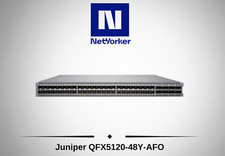
Juniper QFX5120-48Y-AFO 48 x 1/10/25GB SFP28 + 8 x 40/100GB Switch w/Dual AC
$10499.99
Juniper EX2300-C 12 Port Compact Gigabit Switch EX2300-C-12p Discounted Cosmetic
$79.86
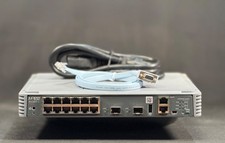
Juniper EX2300-C-12P 12 Port Gigabit PoE+ 2x10G SFP+ Managed Compact Switch
$179.99
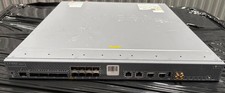
Juniper MX204 +JUNOS and Dual Power Supply
$7299.99
Juniper EX2300-24P 24-port Gigabit RJ-45 PoE 4-port 10Gb SFP+ Network Switch
$89.99
Juniper Networks EX3400-24T 24-Port Ethernet Switch w/Power Cord
$174.99



 Reply With Quote