-
Senior Member
registered user
For my own type use, it still may make a lot of sense to remaster the DVD. It is easy, quite fast (I have even run the process in a VM) and I seldom have problems with calculating the space needed, provided I know what I am doing. The typical use situation is purging some 1+ GB of games and unneeded programs, then adding things like VMware workstation, Oracle XE, R statistical package, some development tools etc. before remastering. Then I have 3+ GB free space to begin with on the persistent store. And I use it as my PC OS, mostly with poor man's installs, running other things in virtual machines. But this is probably not at all a typical use pattern, and the things I add can easily be accomodated with, say, 6-7GB persistent store.
Working with incremental overlays, as utu does, is another way to customize. Over time, it may not be so space efficient compared to basic remasterings, but that is a moot point now when space is no restricting factor at all. And it is easier, with less infrastructure to set up.
For me, the easiest way to backup is keeping copies of the persistent store after every major system maintenance operation, and then, eventually, use rsync -axu on selected directories on a daily basis. Some may surely think this is more stupid than simple, but as long as disk space is not a limiting factor, it works just fine. During a release lifetime, it is <4 versions anyway. But I adhere rather strictly to the principle of keeping and handling all essential user data on one or more volumes outside the persistent store, where I routinely back them up.
Following an ancient Linux custom, I have a large volume mounted on /store, where all OS version independent stuff goes. This will of course also reduce space requirements on the persistent store - one factor among many that reduces the urgency of remastering.
So, I would put it this way: If you want to remaster, you should be able to tell exactly why, and why the simpler alternatives are worse for you. That is the only way it may make some sense.
 Posting Permissions
- You may not post new threads
- You may not post replies
- You may not post attachments
- You may not edit your posts
-
Forum Rules

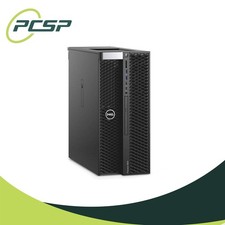
Dell Precision T5820 Workstation 3.70GHz W-2135 No RAM/ GPU/ HDD/ OS
$179.98
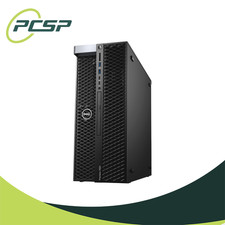
Dell Precision T7820 2x Xeon Silver 4114 2.20GHz 950W No RAM GPU HDD 4x SATA
$350.48

Dell Precision Tower 7810 Xeon E5-2630 v3 @ 2.40GHz , 32GB Ram, NO HDD, NO OS
$239.99
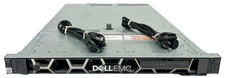
Dell EMC PowerEdge R440 Xeon silver 4215 2.5GHz 16 GB ram 2x 550W PSU No HDD
$275.00
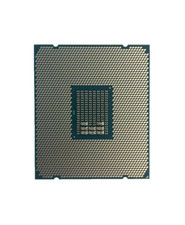
INTEL XEON E5-2680V4 SR2N7 2.40GHZ CPU
$11.00
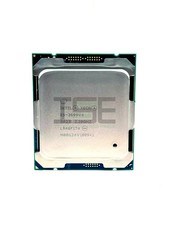
Intel Xeon E5-2699 V4 2.20GHz 55M 22-CORES LGA2011-3 Server Processor 145W SR2JS
$84.49
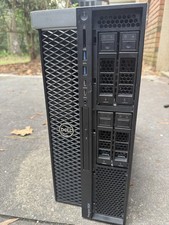
DELL Precision 5820 Workstation Xeon W-2123 3.6ghz/NO RAM/NO SSD/P400 Vid
$139.99
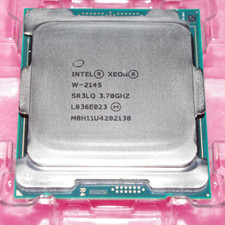
Genuine Intel Xeon W-2145 3.70Ghz 8 Cores LGA2066 CPU SR3LQ Tested USA SELLER
$94.94
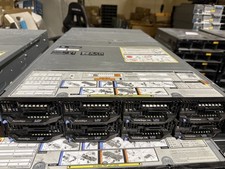
Dell PowerEdge FX2s + 8x FC430 Blades 16x E5-2630v4 160 Cores Rails No PSU/RAM
$699.00
A Mini Windows Server w Xeon E3 Processor & (2) 500GB Hard Drive-Home/Industrial
$319.00



 Reply With Quote