-
Senior Member
registered user
Some notes on overlays and instances
Debian-Live has a terrible way to handle overlays. All instances of live-rw encountered are sandwich-mounted together, even if the advertised label mechanism is used. So, basically, for safety one should use just one at a time, renaming the others.
How bad is this in practice? It turns out, it doesn't have to be that bad. With frequent remasterings, we don't really need much persistent storage for everyday use, and we can mount volumes to get what else we need.
Right now, I write this in a kvm window running Debian-Live without persistence in a Knoppix 7.0.5 host, with two other kvm instances simultaneously running from the same image, one with persistent store, the other without.
I run them with no modification, with the same command
Code:
kvm -m 1024 /dev/sda
to get the grub menu of the host, and I choose the same (!) alternative, Live-Debian without persistence, several times.
Under kvm, I mount and modify (different) disk partitions on the host. Typically, I can run one instance for database, another for application server (e.g. JBoss), and maybe a third for mailserver.
This is what I need to develop applications with realistic testing on just one machine.
While it was not possible to run kvm in the virtual machine, I could run VMware there..
Performance isn't hopeless, I may try remastering in a VM again.
There is a definite need for knoppification of several aspects of this live-version, but the need is not desperate.
 Posting Permissions
- You may not post new threads
- You may not post replies
- You may not post attachments
- You may not edit your posts
-
Forum Rules

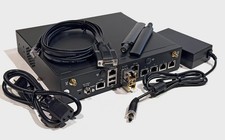
OPNsense pfSense 8-Core Atom C3758 2.2GHz 8GB DDR4 64GB SSD 8x NIC QAT AES VPN
$145.00
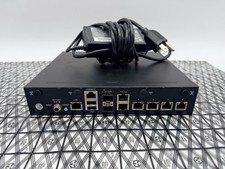
pfSense Firewall 16-Core Atom C3958 8GB DDR4 RAM 64GB SSD 8x 1Gbe QAT AES-NI VPN
$184.99

OPNsense pfSense 16-Core Atom C3958 16GB ECC RAM 512GB SSD 8-Port QAT AES-NI VPN
$258.00
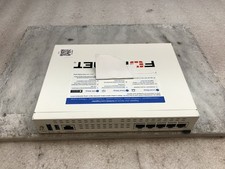
Fortinet FortiGate FG-40F Network Security Firewall NO RACK EARS
$49.99

Fortinet FortiGate 60F FG-60F P24286-03-13 Network Firewall Security Appliance
$155.75
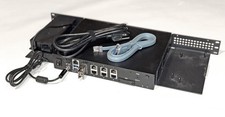
OPNsense Firewall VPN QAT 8-Core Atom C3758 2.20GHz 16GB DDR4 128GB SSD 8xNIC
$175.00

Fortinet FortiGate 60F FG-60F UTM UTP License Until 2027 Network Security FW VPN
$229.99
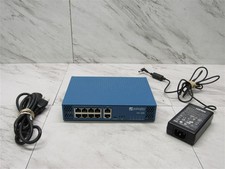
Palo Alto PA-220 Next-Gen Firewall 520-000309-00J
$40.00
Cisco Meraki MX67-HW Security Appliance Firewall NEW Unused Unclaimed
$202.50
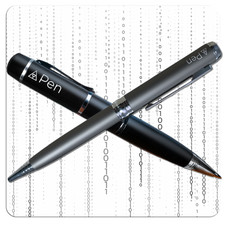
Zero Trace Pen: All-in-one Tor Network Anonymous Drive + Cryptocurrency Wallet
$147.00



 Reply With Quote