-
Senior Member
registered user
First impressions of Debian Live
After having worked with Debian Live (7.6) LXDE for a short while, I have some initial observations:
* CD++ sized starting point is much more practical than I thought. A 900 MB squashfs image contains basic system, LibreOffice, Gimp and Iceweasel, in standard Debian versions (that's the basic philosophy) + a few accessories. No bloat, but quite useful out of the box.
* System setup is awkward, but usable. You can use the "iso/hybrid" image, which can be bare-bones copied onto USB media cp <iso.image> /dev/sdb. Then a read-only iso file system is created, so there is no direct configuration possible. But you can use e.g. gparted to create a partition on the rest of the stick, and set up a persistence loop file, live-rw, there. With boot parameter persistence, this loop image will be union-mounted and used just like knoppix-data.img in Knoppix. You may also use a separate home image.
* While I have been using and reastering Knoppix for years without an ordinary hard disk install, the methods are geared towards working from such an install. Which is no big deal to make, I use a 12 GB partition, it's more than enough. I ran qemu-kvm from that to setup the USB stick, using apt-get and synaptic in the VM.
* 64 bits and nobloat makes a bit of a difference - not very much, but it just feels more right. (And I need it for R, Oracle XEand VMware Workstation)
Debian Live work is very much geared towards making tools, so a partial Knoppification may not be that hard. First step for me will be setting up a complete system, then trying to remaster it.
 Posting Permissions
- You may not post new threads
- You may not post replies
- You may not post attachments
- You may not edit your posts
-
Forum Rules

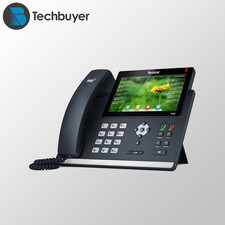
Yealink T48S VoIP/SIP Phone, 2 x Gigabit Ports PoE 7" Color SIP-T48S | TESTED
$34.95
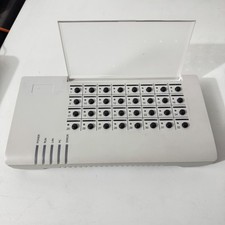
SIM Bank 32 SIM Card Slots Ethernet SIM Server for GoIP
$400.00
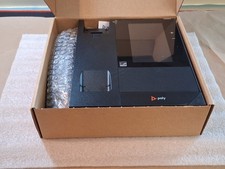
Poly CCX 400 Desktop Business Media Phone VoIP 2200-49700-019
$49.99
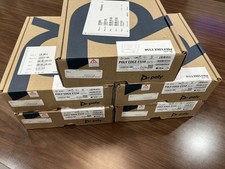
Lot Of 5 Poly Edge E550 82M91AA IP Desktop Phone PoE New In Box
$1500.00
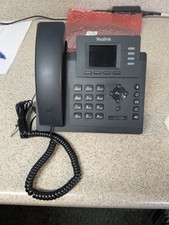
Yealink SIP-T33G IP Phone 4-LineSpeakerphone VoIP Desk Phone Black w/ Power Sply
$25.00
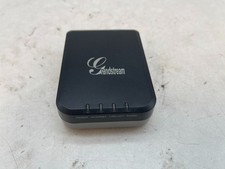
Grandstream HT701 1-Port FXS Analog Telephone Adapter ATA VoIP Gateway -Free S/H
$19.99
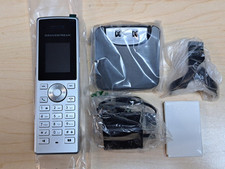
Grandstream WP810 Portable Cordless Wi-Fi IP Phone
$49.28
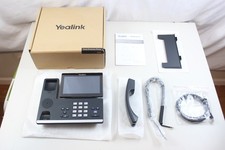
New Yealink MP58 Teams Edition Smart Business Phone VOIP Touch Screen
$129.99
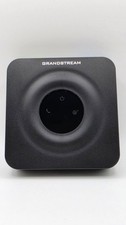
Grandstream VoIP Phone Adapter ATA 1-Line Black Ethernet (RJ-45) Micro USB
$27.07
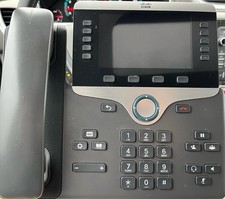
Cisco CP-8841 IP Phone Charcoal Handset And Stand Included
$27.99



 Reply With Quote