-
Senior Member
registered user
"Stable" gets kind of new meaning, yes..

Originally Posted by
utu

I must admit, that's a bit of a shock.
Of course there have been a few upgrades to that version, but.. On the other hand, come on, it's still not three years old 
Code:
user@live-debian:/media/sda8$ uname -a
Linux live-debian 3.2.0-4-amd64 #1 SMP Debian 3.2.60-1+deb7u1 x86_64 GNU/Linux
user@live-debian:/media/sda8$
The basic philosophy, their "paradigm", is worse, though. How can anyone hit on the idea to use partitions for persistent storage? Even on a small USB stick you would like to be able to place some files there too, outside of the image file. And the raw-copy-iso "installation" method makes it impossible to tweak parameters, while the creation of more user-friendly install versions is delegated to unetbootin et al. I'm not very fond of that bunch, they have been less than reliable to me.
There are a lot of comical aspects, too. Using gparted to partition the rest of the USB stick after raw copy of the ISO image, it is equipped with a label that Debian truthfully copies to the device name on automount of the stick.
Resulting in a mount point that the OS is often not able to handle correctly parsing commands, creating errors&problems.
So I have had to manually unmount, and remount using the more prosaic /media/sdb2. Problems gone.
 Posting Permissions
- You may not post new threads
- You may not post replies
- You may not post attachments
- You may not edit your posts
-
Forum Rules

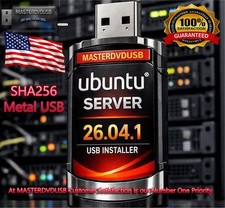
Ubuntu Server 26.04.1 LTS Bootable USB Flash Drive – Latest September 2026
$12.99
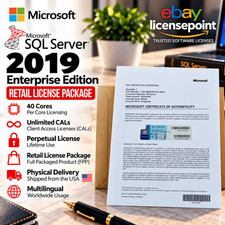
Microsoft SQL Server 2019 Enterprise 40 Core Unlimited CAL Retail License FPP
$299.00
Novell SUSE Linux Enterprise Server 9, Linux Professional 8.2 / 9.1 — 3 DVD Set
$58.00
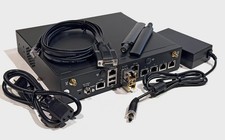
OPNsense pfSense 8-Core Atom C3758 2.2GHz 8GB DDR4 64GB SSD 8x NIC QAT AES VPN
$125.00
ESET Server Security (File Security) | Variant Item | Download Version
$215.25
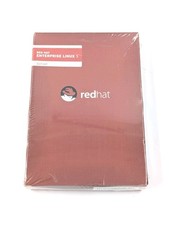
RED HAT ENTERPRISE LINUX 5 SERVER RHF0382US-R1 for PC x86 AMD 64 INTEL 64 30 Day
$188.24
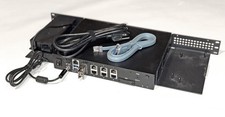
OPNsense Firewall VPN QAT 8-Core Atom C3758 2.20GHz 16GB DDR4 128GB SSD 8xNIC
$175.00
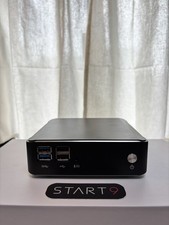
Start9 Server Pure 32GB 4TB Intel i7 Node StartOS — Box + PSU
$649.00

SQL Server 2022 Enterprise 96 Core License & DVD Unlimited CALs with CoA
$284.99

Sun Enterprise e450 400mhz cpu(x4), 4gb ram, 9gb HD w/spud most complete on ebay
$500.00



 Reply With Quote