-
Senior Member
registered user
cat /proc/scsi/scsi will tell you if they appear on the SCSI BUS or not. as will cdrecord -scanbus. If they're on the SCSI BUS then your problem lies not with SCSI emulation but your /etc/fstab (as mentioned above) and likely some symlinks. Let's see what this gives you:
ls -al /dev/cdrom
ls -al /dev/cdrom1
and so on for any device listed in /etc/fstab. These are 'symlinks' and if you have those links they should look something like so:
Code:
$ ls -al /dev/cdrom
lrwxrwxrwx    1 root     root            9 Aug 22 19:29 /dev/cdrom -> /dev/scd0
scd0 is the device name "SCSI Drive 0". This naming convention makes it possible for applications to use the same name for a cdrom drive no matter where it is on your system. In other words you could effectively 'rename' and cdrom drive "/dev/cdrom". Rather than configure each application (cdplayer, cdburning app. etc) most Linux applications default to automatically try to use /dev/cdrom. Thus the need for symlinks. It also makes changing out a cdrom very easy. How? Just swap it- you already have the driver for it and it's in use so you needn't worry about finding/installing a new driver.
Similar Threads
-
By pbock in forum Hdd Install / Debian / Apt
Replies: 2
Last Post: 06-20-2005, 06:24 PM
-
By tabrown in forum Hdd Install / Debian / Apt
Replies: 5
Last Post: 04-11-2005, 12:46 PM
-
By oracle in forum Hardware & Booting
Replies: 1
Last Post: 09-05-2004, 06:44 AM
-
By rrfish72 in forum General Support
Replies: 15
Last Post: 08-05-2004, 07:33 AM
-
By gowator in forum Hdd Install / Debian / Apt
Replies: 0
Last Post: 01-22-2004, 11:35 AM
 Posting Permissions
- You may not post new threads
- You may not post replies
- You may not post attachments
- You may not edit your posts
-
Forum Rules

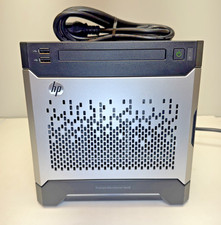
HP ProLiant MicroServer Gen8 G1610T @2.3 GHz, 16GB, 712317-001 NO HDD/OS
$199.00
Supermicro 505-2 Server
$280.00
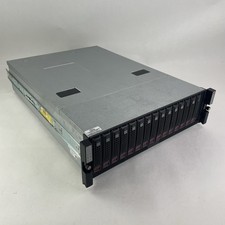
Supermicro CSE-937 3U Storage Chassis No CPU No HDD No Ram Tested & Reset
$129.99
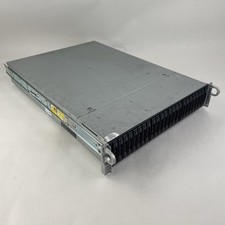
Supermicro CSE-216 No CPU No Ram No HDD Tested & Reset
$149.99
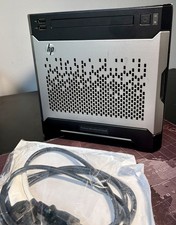
HP PROLIANT TPS-W003 MICRO- SERVER TOWER Gen 8, 16G RAM
$195.00
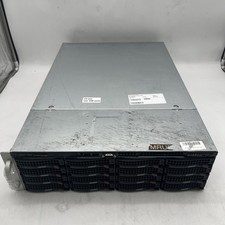
Supermicro Superserver CSE-836 Xeon E5-2609 v4 1.7GHz No RAM No Drives No OS
$249.98
Supermicro 2U X10DRU-i 2x E5-2680 v3 2.5ghz 32gb Ram 240gb SSD 2x GPU *READ*
$369.99
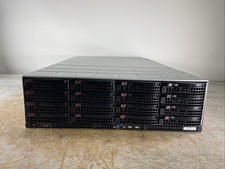
SUPERMICRO CSE-836 XEON E5-1620 v3 @ 3.50GHz, 32GB RAM, NO HDD/OS
$299.99
Supermicro CSE-937 3U Storage Chassis No CPU No HDD No Ram Tested & Reset
$129.99
Supermicro CSE-216 No CPU No Ram No HDD Tested & Reset
$149.99



 Reply With Quote