-
Senior Member
registered user
o ext2 = Default filesystem for Linux, good for small filesystems like /boot and such, has been superseded by Journalling filesystems such as reiserfs, ext3, jfs, xfs. Can lose data if machine loses power, and bootup fsck can take quite some time.
o ext3 = Journalled ext2. See this article for more:
http://www-106.ibm.com/developerwork...ary/l-fs7.html
o Reiserfs = Journalling filesystem from the ground up. With default mount options, saves space by putting small files (and parts of files that would otherwise take up an entire cluster - otherwise known as tails) together. With mount option ' notail ' speeds up significantly. (I've been using reiserfs ever since suse included it as an install option - 6.x, IIRC.)
--You can find other articles on journalling filesystems by googling. (The above article was found by searching for "benefits of ext3".)
--In your situation, making your ext2 filesystem into ext3 is as simple as ' tune2fs -j /dev/blah ' and changing the /etc/fstab entry from ext2 to ext3. If you do a complete reinstall though, I recommend reiserfs.

Originally Posted by
MemMaker
@stephen
The by-foot-way is what I wanted to avoid. I thought there
could be an easier possibility, e.g. something like:
"purge all non-empty removed-package config-dir".
But thanks anyway.
@dave
yes, i am using ext2. What are the differences, between
reiserfs, ext2 & ext3..? what would you recommend?
Similar Threads
-
By ramaswamyps in forum Customising & Remastering
Replies: 7
Last Post: 08-05-2005, 02:42 AM
-
By foamrotreturns in forum Hdd Install / Debian / Apt
Replies: 8
Last Post: 02-18-2005, 05:11 PM
-
By Gigahertz in forum General Support
Replies: 1
Last Post: 10-15-2004, 09:29 AM
-
By cumulus in forum Networking
Replies: 2
Last Post: 09-23-2004, 03:57 AM
-
By brentokc in forum General Support
Replies: 7
Last Post: 06-09-2004, 06:44 PM
 Posting Permissions
- You may not post new threads
- You may not post replies
- You may not post attachments
- You may not edit your posts
-
Forum Rules

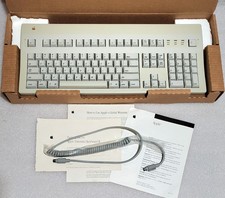
Apple Extended Keyboard II Vintage Keyboard with Original Box & Cable
$110.00
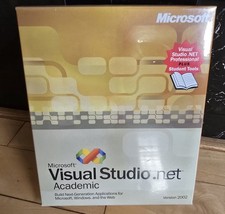
Vintage Microsoft Visual Studio.NET Professional Software suite Version 2002 New
$82.00
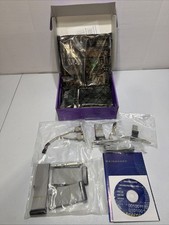
Vintage Jetway J-620BF Socket 370 Celeron AT Motherboard SiS 620 Brand New
$75.00
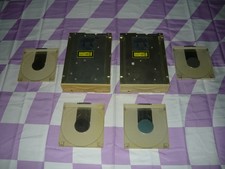
Lot of 2 Vintage Plextor PX-43CS SCSI CD-ROM Caddy Drives + 4 Caddies Used
$55.99
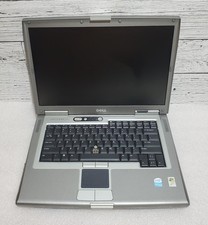
Vintage DELL LATITUDE D810 LAPTOP *FOR PARTS ONLY*
$49.99
Original Vintage Old Style STANDARD Black CD Jewel Case (Heavy Duty) 90g Lot
$316.95

Vintage 2006 Juicy Couture House of Juicy Velour Laptop Sleeve Y2K NWT Rare
$199.99

Huge Lot of Vintage Computer Brochures, Catalogs, etc. - 1980's - SEE PICS
$100.00
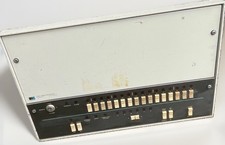
🔥 RARE VINTAGE HP 2112A 21MX M-SERIES 16-BIT MINICOMPUTER HP
$299.99
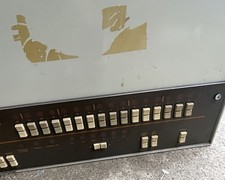
🔥 RARE VINTAGE HP 2113A 21MX 1000 E-SERIES MINICOMPUTER CHASSIS BACKPLANE
$249.00



 Reply With Quote