-
Senior Member
registered user
You could try starting with my working config which you can get here copying the old .config from 2.4.22 is a nightmare as you have found out. It is set up for an athlon the sound is set for both alsa and oss you will be able to get a framebuffer so you can us the vga= line in the lilo.conf you should take a look around and use your setup for your system you do not say what kind or hardware you have so I can't advise further on that. Also the kernel config has support for the ext2,ext3,and reiserfs built in there is no need for an initrd and the important option to get the framebuffer is the CONFIG_FB_VGA16=y not being set it screws up the framebuffer just use the VESA option that is already set. For USB you may want to trun off the verbose debuging I have turned on in a failed effort to try to get it to show my USB UPS cable connection in the usbview in the Infocenter in KDE it gets detected at boot but will not show up.
You should install the kernel-package and fakeroot packages and compile the kernel the Debian way and save yourself the extra steps you are doing with this you would to compile:
Code:
cd /usr/src/linux
make [menuconfig,xconfig,config]
fakeroot make-kpkg clean
fakeroot make-kpkg --append-to-version=date_of_compile kernel_image modules_image kernel_headers
cd /usr/src
dpkg -i kernel-image-2.6.0-test9.date_of_compile_10.00.Custom_i386.deb kernel-headers-2.6.0-test9.date_of_compile_10.00.Custom_i386.deb
As you can see this method gives you Debian packages that you can (un)install with dpkg it makes it easier manage the new kernels. A guide to creating custom kernel packages with the Debian tools.
Similar Threads
-
By riscbroker in forum Hdd Install / Debian / Apt
Replies: 1
Last Post: 06-25-2005, 08:49 PM
-
By Kowood in forum Hardware & Booting
Replies: 3
Last Post: 05-07-2005, 08:15 PM
-
By BillS in forum Customising & Remastering
Replies: 0
Last Post: 12-20-2004, 05:04 PM
-
By toltech in forum Customising & Remastering
Replies: 0
Last Post: 03-16-2004, 09:43 AM
-
By Hayabusa in forum Hdd Install / Debian / Apt
Replies: 2
Last Post: 11-19-2003, 11:10 PM
 Posting Permissions
- You may not post new threads
- You may not post replies
- You may not post attachments
- You may not edit your posts
-
Forum Rules

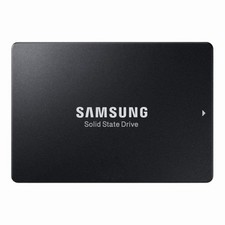
Samsung 860 EVO 250GB SSD MZ-76E250 2.5" SATA III Solid State Drive
$39.99
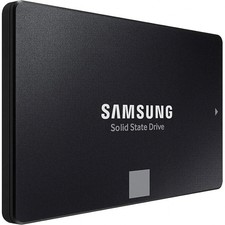
Samsung 2.5" 870 EVO SSD SATA III 250GB 500GB 1TB Internet Solid State Drive Lot
$90.00
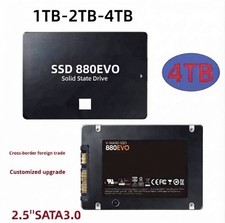
SSD 880EVO SATA III 2.5 4TB INTERNAL STATE DRIVE
$214.99

128TB External SSD Solid State Drive Hard Drive Disk PC Phones Mac Games Videos
$97.60
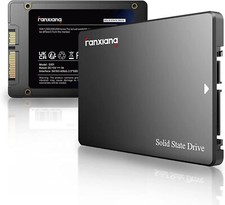
Fanxiang 1/2/5/10Pcs 2.5'' SATA SSD Lot 1TB 2TB 4TB 512GB 256GB TLC Internal SSD
$129.99

Netac 2TB 1TB 512GB 256GB Internal SSD 2.5inch SATAIII Solid State Drive lot
$549.00
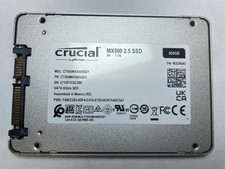
Crucial MX500 500GB 2.5" SATA III Internal SSD CT500MX500SSD1
$53.99
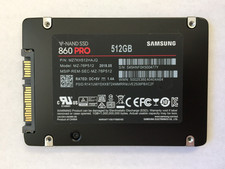
SAMSUNG SSD 512GB 500GB 480GB 256GB 250GB 240GB SSD 2.5 Solide State Drive 6Gbps
$37.99
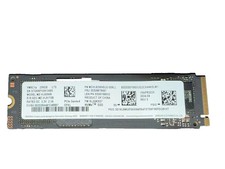
Samsung PM9C1A 256GB m.2 2280 SSD GEN4X4 NVME MZVL8256HDJD new Laptop PC
$34.99
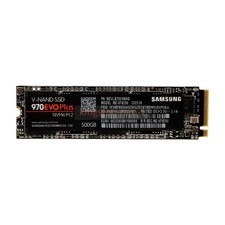
Samsung New SSD 970 EVO Plus 2TB 1TB 500GB 250GB NVMe M2 Internal Hard Drive Lot
$74.99



 Reply With Quote