-
Administrator
Site Admin-

Originally Posted by
A. Jorge Garcia
OK, cool, I was looking at some LinkSys EtherFast 4-port Routers on ebay for cheap.
How does this work? The cable comes into the cable modem as usual but the output of the modem now goes into the router, right? I suppose that's one of the 4 ports taken up already. So I can add 2 more PCs to my current one for a total of 3 concurrent Linux boxes on the net?
TIA,
I would strongly suggest that you look around for a sale this Sunday rather than go with a ebay "deal". You might end up paying less, will avoid getting hit on "shipping charges", and don't take the other risks involved with ebay. Plus you'll have a new unit with a warranty. I frequently see good d-link, SMC and even Linksys routers for 10 to 20 bucks after rebate in the stores (Best Buy, CompUSA, sometimes Circuit City, even Staples and OfficeMax). By the way, I paid $100 for my 4 port Linksys a couple years ago and it was still a good deal.
The router connects to the cable modem through a standard ethernet cable (some routers include a short ethernet cable for this purpose, but I think the Linksys makes you buy or make one seperately). No, this does not use one of your connections, a "4 port" router actually has 4 local ports as well as a port to connect to the modem. So you have 4 local ports available. There are some 8 port versions available(as well as routers with less than 4 ports), but 4 port versions are the best cost/performance point available simply because most sold are 4 port units. If you need more ports you can add a switch (or a hub, but a switch is a better choice), how depends on the router (some have yet an extra jack, some have a physical switch you throw, some just senses the line and adjust automagically). So you get up to 4 computers on the network without an extra switch, for more add a switch). The downside here is that a 5 port switch only adds 3 more computers to your network - you use one port to connect to the router, but that uses one of the 5 ports on the switch and one of the 4 one the router. Still, it lets you run one ethernet drop to another room (if you want) and then fan out from there, so what you loose in ports you may save in cable. The DHCP server built into the router can generally support up to 253 local users.
Similar Threads
-
By francy222 in forum Networking
Replies: 4
Last Post: 01-20-2005, 06:27 PM
-
By sn0wflake in forum Hardware & Booting
Replies: 9
Last Post: 04-19-2004, 03:26 PM
-
By tommyf in forum Networking
Replies: 0
Last Post: 10-23-2003, 10:23 PM
-
By pnti in forum General Support
Replies: 4
Last Post: 07-21-2003, 05:15 AM
-
By carmine65 in forum General Support
Replies: 0
Last Post: 01-07-2003, 01:44 AM
 Posting Permissions
- You may not post new threads
- You may not post replies
- You may not post attachments
- You may not edit your posts
-
Forum Rules

185--Sonnet Crescendo G3 PPCG3-375-5-K-06 G3 Add-On Card for Vintage Mac
$90.00
VINTAGE Apple Mac OS X Computer Monitor
$250.00
Vintage 1998 iMac G3 M4984 Mac OS + Keyboard Working but Needs Some Repair Read
$295.00
Vintage Apple iMac G4 15" Lamp 700MHz 512MB Mac OS X 10.4.6 W/ Pro Speakers
$300.00
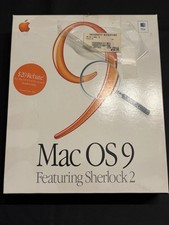
Vintage Apple Mac OS 9 Retail Box 1999 Sherlock 2 Original CD Manuals
$50.00
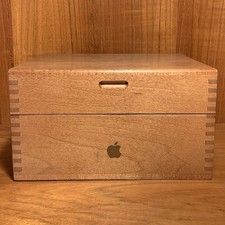
Rare Vintage Macintosh Apple Wooden Disk Storage Box Dovetailed
$69.95
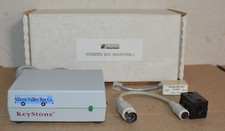
Kineses PS/2 Keyboard to Macintosh Adapter Converter Vintage Interface Apple
$60.00
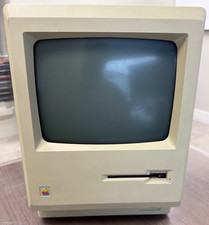
Apple Macintosh Plus 1MB M0001A Vintage Computer **TURNS ON **
$99.99
Vintage Mac System 7 Personal Upgrade Kit Apple Software 3.5” Floppy 1991 NEW
$142.45
Apple Power Macintosh PowerPC 7300/200 VTG w Keyboard Mouse Storage Drive Read
$199.99



 Reply With Quote