-
Administrator
Site Admin-
Re: Nope

Originally Posted by
regus
I think I'm going to change the last 2 hubs (those from 100mbps) into 1 switch.
What do you think ?
It depends on the nature of the traffic and where it is being routed to. If the hub has 4 computers on it that we can call B, C, D and E and they have a lot of traffic between them (say B talking with C while D talks to E), then a switch is a better choice than a hub. If all of the computers are doing moderately high traffic to another computer (which I'll call A) somewhere upstream of this hub, then replacing it with a switch will not help (and in some cases might even have a small negative impact). The diference is that a hub outputs what comes in one port to all of the other ports. A switch is more inteligent and only outputs the data to the required port(s). but if your "workstations who need a lot of network performance" on that hub actually need it to talk to the win2k server you showed (as seems most likely), then don't bother, at least not for this reason.
Since a switch only routes the traffic where it needs to go, it helps make a network a little more secure. You can sniff the traffic on a hub and sometimes learn important information. On a switch you should only see your own traffic so this hack is not as easy. On the other hand, if you're trying to sniff the cable to figure out a low level networking problem, a hub can be an important tool (I keep one around for just that reason).
One other consideration is that a hub can actually be slightly faster than a switch. The switch needs to receive the packet (at least the header) and analize it before it can start sending it out to the proper port. A hub can send the data while it is still coming in. So there is less latency with a hub than a switch. Again, if this matters to you or not depends on the nature of your network and applications, in some cases the extra latency is not the issue (raw throughput is), while in others the latency does matter.
And this all assumes that all of your ethernet connections are 100 mbs and you never have a 10 mbp computer that might need to move to this hub. Since you are running both speeds on the network, having a switch might give you more utility, but it will not improve the network speed unless there is a significant ammount of local traffic between the local computers on those 2 hubs, and that traffic is such that you get a bandwidth gain. Everyone else talking with B, for example, will not buy you an improvement by switching to a switch).
Since router port 3 feeds a switch that only feeds 2 hubs, you might even improve your system if you remove the switch on this port and feed directly to one of the hubs and feed the other hub from that on (assuming that you have an available port on one hub and that the physical wiring requirements support it). This would eliminate the latency of that switch. Or you might swap the switch with one of the hubs (again, very dependent on the traffic requirements of your network).
Similar Threads
-
By djarum in forum Networking
Replies: 3
Last Post: 06-27-2005, 05:39 AM
-
By pi8ch in forum Networking
Replies: 2
Last Post: 12-06-2004, 04:30 PM
-
By senorian in forum Hardware & Booting
Replies: 0
Last Post: 04-20-2004, 08:19 PM
-
By bob58 in forum General Support
Replies: 1
Last Post: 03-23-2004, 05:38 PM
-
By efi360 in forum General Support
Replies: 8
Last Post: 08-17-2003, 07:52 AM
 Posting Permissions
- You may not post new threads
- You may not post replies
- You may not post attachments
- You may not edit your posts
-
Forum Rules

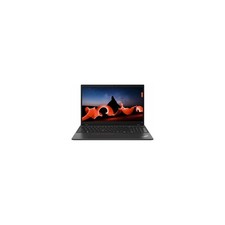
Lenovo ThinkPad L15 Gen 3 15.6" 16GB, Thunder Black
$259.00

Windows 11 PRO Laptop Notebook PC Computer, 8GB Ram, Webcam, Wifi, and HDMI
$144.00
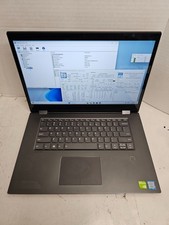
Lenovo Ideapad Flex 5-1570 81CA i7-8550U 16GB RAM 256GB SSD Win 11 #04
$120.00
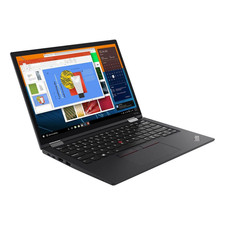
Lenovo ThinkPad X13 Gen 3 13.3” FHD Laptop Intel i5 16GB RAM 256GB SSD Win 11
$299.85
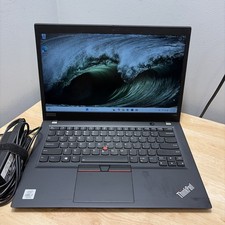
Lenovo ThinkPad T14S Gen 1 CORE i7-10610U 1.80GHZ 256GB 16GB WCam WiFi W11 Cord
$175.00
Lenovo IdeaPad 5 2-in-1 16" WUXGA Touch Ryzen 7 8845HS 16GB 512GB SSD FPReader
$571.00
Lenovo - Yoga 7i 2-in-1 - Copilot+ PC - 16" 2K Touchscreen Laptop - Intel Cor...
$699.99
LENOVO THINKPAD T14s GEN 2a Ryzen 7 PRO 5850U 1.9GHz 16GB 256GB WIN 11 - TOUCH
$299.95
Lenovo THINKPAD L15 GEN 4 15.6" 16GB, Thunder Black
$327.00
Lenovo ThinkPad laptop T490 14" i5 8365U 16GB NEW 256gb SSD WIN 11 pro CAM WIFI
$259.99



 Reply With Quote