-
Senior Member
registered user
Re: Want FTP client, trying kbear, but...

Originally Posted by
RobertB
Some questions are so basic, I guess, that they don't get added to the FAQ. Getting an FTP client up and running (on my Knoppix HD install) would seem to be one of those.

I know I can use Konqueror, and I've found command-line FTP, but since I'm a total newbie I want to get used to installing programs. It looks like KBear (
http://kbear.sourceforge.net/) is a nice GUI FTP client, so I'm trying to install it. And I'm getting dependency errors, so I'm trying to install the things it's dependent on.
http://www.debian.org/ is a handy resource for installing apps, so I'm getting the .deb from there. Actually, I'm copying the URL of the .deb file from Opera (which I did get installed, whee!) to KPackage. KBear had a few dependency problems, so I tried grabbing one of them, kdelibs3. But it doesn't want to install either:
Selecting previously deselected package kdelibs3.
dpkg: regarding .../kdelibs3_2.2.2-13.woody.8_i386.deb containing kdelibs3:
kdelibs4-dev conflicts with kdelibs3 (<< 4:3.0.0)
kdelibs3 (version 4:2.2.2-13.woody.

is to be installed.
dpkg: error processing //root/.kpackage/kdelibs3_2.2.2-13.woody.8_i386.deb (--install):
conflicting packages - not installing kdelibs3
Errors were encountered while processing:
//root/.kpackage/kdelibs3_2.2.2-13.woody.8_i386.deb
Any suggestions for a) a more newbie-install-friendly FTP client or b) the right way to install KBear?
(And if you have a chance, I'd like to know why KPackage takes soooooo long to show the dialog when I hit File/Open)
It looks like you are trying to install a package meant for stable and that will not work it will downgrade your install. Try going to the command line either through opening a console window (clam shell icon on taskbar) then typing su enter key type in the root password when asked then apt-get -s install kbear if the output of the simulated command looks good then remove the -s from the line to actually install or logout from the kde session and choose from the kde greeter screen in the menu option console login and login as regular user then use the su to become root and use the above suggested command. If you would like to install packages graphically I would suggest apt-get install synaptic then from a console window after having used su to become root type in synaptic. All this assumes that you have first done an apt-get update to have updated the apt database with the available packages from the archives.
Similar Threads
-
By linux_trojan in forum Networking
Replies: 0
Last Post: 06-30-2005, 03:13 AM
-
By lor in forum Hdd Install / Debian / Apt
Replies: 0
Last Post: 10-25-2004, 05:24 PM
-
By kayl in forum Networking
Replies: 1
Last Post: 03-01-2004, 10:28 AM
-
By 4season in forum Ideas
Replies: 2
Last Post: 04-10-2003, 08:56 PM
-
By probono in forum Ideas
Replies: 10
Last Post: 04-06-2003, 02:26 PM
 Posting Permissions
- You may not post new threads
- You may not post replies
- You may not post attachments
- You may not edit your posts
-
Forum Rules


Crucial MX500 1TB 2.5" SATA III Internal SSD CT1000MX500SSD1
$102.99
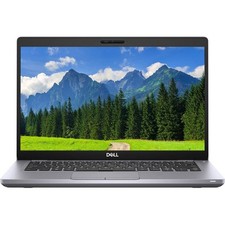
Dell Latitude 14" Laptop Computer Intel i5 Up To 32GB RAM 1TB SSD Windows 11 Pro
$316.61
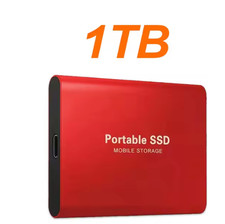
External SSD 1TB 2TB 4TB Portable Hard Drive USB 3.0 Type-C High Speed PC Mac
$19.99

Dell Latitude 14" Laptop Computer Intel i7 Up To 32GB RAM 1TB SSD Windows 11 Pro
$349.48
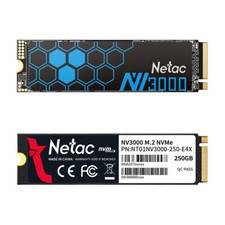
Netac 2TB 1TB 500GB Internal SSD M.2 NVMe PCIe3.0 Solid State Drive lot
$129.99

SAMSUNG T7 Portable SSD 1TB Indigo Blue USB 3.2 Gen2 External MU-PC1T0H/AM
$159.99

Lenovo Legion 5 Gaming 15.1" WQXGA OLED 165Hz Core i9-14900HX 16GB 1TB RTX 5070
$1469.00

Acer Predator Helios Neo 16S AI 16" i9 275HX 2S RTX 5070 Ti 32GB 1TB SSD Refurb
$1746.47

External Solid State Drive USB 3.2 Gen2, 1TB SSD External Hard Drive with C to A
$100.00

Western Digital 1TB 3.5" SATA III 7200RPM Desktop Hard Drive
$34.99



 Reply With Quote