

 Reply With Quote
I think it is faster to access files from the compressed loopback device . . .


Hello,
I am fairly new to KNOPPIX, but understand the remastering thing to a degree. I am building a speciailized verion for speed. I have minimized the uncompressed OS down to ~300MB. I want to know if I can build the ISO image without compressing it. Reason being is that I want SPEED for the system to boot and for all apps loading when needed. Can anyone tell me how to setup the system for booting without forcing me to compress the entire file system into the KNOPPIX/KNOPPIX image file?
Thanks and much apprecaite,
Metzelplik
I think it is faster to access files from the compressed loopback device . . .
How is it possible that the loopback device is loaded faster? With networking, it is possible to compress data, and increase the throughput from system to system, but with file IO, I am not sure if the same applies. Everything being performed is within the loopback during boot, until the RAMDISK is created. So, I believe it would be slower up to this point.
Let's assume the compression with loopback is the faster method... then let's consider this little exercise strictly acedemic..
Thanks,
Metzelplik
How is it possible that the loopback device is loaded faster? With networking, it is possible to compress data, and increase the throughput from system to system, but with file IO, I am not sure if the same applies. Everything being performed is within the loopback during boot, until the RAMDISK is created. So, I believe it would be slower up to this point.
Let's assume the compression with loopback is the faster method... then let's consider this little exercise strictly acedemic..
Thanks,
Metzelplik
How is it possible that the loopback device is loaded faster? With networking, it is possible to compress data, and increase the throughput from system to system, but with file IO, I am not sure if the same applies. Everything being performed is within the loopback during boot, until the RAMDISK is created. So, I believe it would be slower up to this point.
Let's assume the compression with loopback is the faster method... then let's consider this little exercise strictly acedemic..
Thanks,
Metzelplik
because your bottlneck is I/O and not cpu. Having to read less gives you better speeds.
OK, let's assume that I want to use this method for determining ALL NECESSARY files on the system when it is booting. This will allow me to look at the files which are used accessed. This way, I can create a list of all files accessed on the date/time it is booted (yes I know I will have to load it read/write).... then, I can create a minimal system (for security) around the application I am building a customized CD..
Thank you in advance for any help.
Metzelplik
morphix supports booting from uncompressed isos. You may want to look into it's modified knoppix code and use that
 Posting Permissions

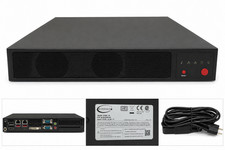
Supermicro SuperServer E300-15 - SYS-e300-9C - 16GB RAM 240GB Samsung SSD
$199.99
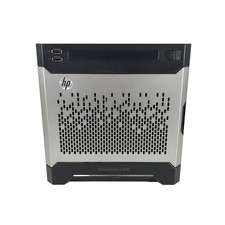
HP Proliant MicroServer Gen 8 2.23GHz Xeon 16GB RAM NO SSD
$249.99
$280.00
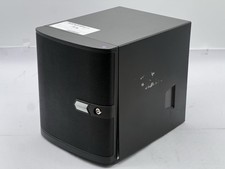
Nasuni NF-50 Supermicro Server, Atom CPU C2558, @ 2.40GHz, 8GB RAM-No HDD/OS/AC
$250.00
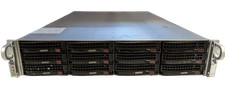
Supermicro 2U X10DRU-i 2x E5-2680 v3 2.5ghz 32gb Ram 240gb SSD 2x GPU *READ*
$369.99
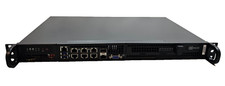
New Barebones Supermicro 5019D Server, 4C/8T Xeon D-2123T, 1U Rackmountable, 10G
$449.99
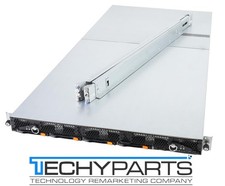
Supermicro SYS-6019P-ACR12L 2x Xeon Silver 4110 2.1GHz 0GB RAM 1U Rack Server
$499.00

SuperMicro 4U CSE 847 36 Bay LFF Barebone 2x 1280W w/ 2x Bays 2.5 Rear w/Trays
$499.99
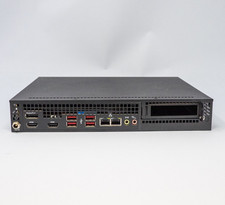
Supermicro E300-12C Mini 1U Barebone X12SCV-LVDS LGA1200 SNK-P0073A4 w/ Adapter
$225.00
Supermicro 938-16 16-LFF MicroCloud SuperServer 5038MR-H8TRF *No Blade Servers*
$159.99