-
Administrator
Site Admin-
I'll try to cover a number of things here:
On PGP, it's safe to skip it.
On what file you got. We still don't know, not even what version you have. There have been a lot of links thrown out on the boards recently, as well as the links to the official missors and BitTorrent found from the get Knoppix link at the top of the page. It sounds like you finally got it to burn, so you must have had a CD version and indeed the ISO fit on a CD. We could have talked you through how to burn if you had mentioned Roxio, but at least you found it now. It would have been much better if rather than the statement about finding the link here you just had given us the actual full file name that you had, and maybe even the URL of where you download it.
On md5 sums: There are many programs that will check md5 sums for you. If you already have a recent version of Quickpar installed on you system, that will do it and you don't need any other tool. A tool I like to use that deals exclusively with md5 sums is md5summer. You can download it and use the little file ending in m5d that you hopefully got when you got the ISO to check the validity of the ISO. If your copy of Knoppix seems to be working well then you likely got a good download this time, but checking the md5 sum is an important skill to develop for the future. No harm, of course, can come from confirming your ISO now if you didn't already delete the ISO file.
On BitTorrent. This has become a very popular tool to use on the Internet for downloading. In the case of Knoppix you will likely get further updates much faster with BitTorrent than from Mirrors. It's not hard to learn to use. I'm not going to write an entire BitTorrent manual in these forums (again), but when you have time go here and download a copy and read the FAQ.
On Zone Alarm and virus infection: I'm not a big Zone Alarm fan. But if your system was crawling with viruses after less than a half hour, I strongly suspect that you are on a high speed connection and not using a router with a hardware firewall built-in. I can't emphasise enough the importance of using a router when using a high speed connection, even if you have only one computer hooked to the Internet. If your modem does not have one built-in (some do now), then buy one. These things are dirt cheap now, often $10 or less after rebate (BestBuy and CompUSA both have a Linksys 802.11b router this week for $5 after rebate). I leave my systems on constantly and have no virus problems. My software firewalls don't pop up warning about any virus trying to get in, because the packets never get that far. Router logs do show almost constant attemps.
On not being able to write to the hard disk and archiving issues: There is still a lot of information you haven't posted, so it's hard to know how to advise you. If you are using XP then you likely have NTFS partitions. Knoppix can't write to NTFS partitions (a deliberate design choice by Microsoft, who have gone to great lengths to make sure of this). If you are using Win98 then you have FAT partitions, which Knoppix can write to (but see below). Knoppix 3.8.x and Knoppix 3.9 include something called a union file system that allows the ram disk and the hard disk to be viewed as one. Unfortunately, there is a bug in 3.9 and it's not working properly. So this might stop you from writing to "hard drive" even if you have a FAT system (I don't know for sure). If you have 3.8 (or a previous version and a FAT file system) you might be OK. Also, by default, Knoppix mounts partitions as read only. As long as you are not using NTFS partitions you can change this. There are several ways to make the change, the simplese way is to right click on the partition icon on the desktop and use the actions .... sub menu that pops up. Do not do this is you have NTFS (the default in XP), Knoppix will corrupt a partition if you manage to get it to write to NTFS.
I personally wouldn't want to email every file. If you have another computer and some way to network the two together (like that router I mentioned) then you could quickly transfer the files across a local network. If this is not an option and your ISO provides some space for a local web page that you can access with FTP them you can likely transfer the files that you need there (they should not be published as available to the Web as long as you don't have HTML files there). Or if you can run an FTP server on any other computer connected to the Internet that would work as well. You may also be able to save files to a USB flash drive, but again there have been lots of reports of bugs in this area with version 3.9.
Good luck. Ask if there are things I left out.
Similar Threads
-
By mgirdwood in forum Hardware & Booting
Replies: 0
Last Post: 02-14-2007, 02:21 PM
-
By Andy77 in forum MS Windows & New to Linux
Replies: 1
Last Post: 07-27-2005, 02:26 PM
-
By liquid134 in forum Hdd Install / Debian / Apt
Replies: 3
Last Post: 04-30-2004, 07:07 PM
-
By gizmo in forum General Support
Replies: 2
Last Post: 04-17-2004, 05:12 PM
-
By drbfunk in forum Hardware & Booting
Replies: 20
Last Post: 12-16-2003, 05:34 AM
 Posting Permissions
- You may not post new threads
- You may not post replies
- You may not post attachments
- You may not edit your posts
-
Forum Rules

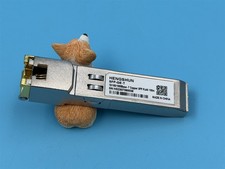
SFP TO RJ45 TRANSCEIVER SFP MODULE COPPER SFP OPTICAL PORT TO RJ45 ETHERNET PORT
$7.99
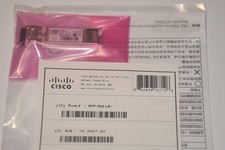
NEW Sealed Cisco SFP-10G-LR 10GBASE-LR SFP+ 1310nm 10km *US Shipping*
$24.00
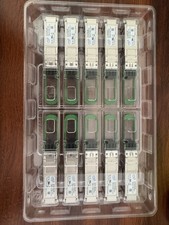
Intel SPTSLP2SLCDE 100G-DR1 QSFP28 500m 1311nm Transceivers - Lot of 10 - New
$200.00
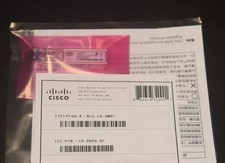
New Sealed Cisco GLC-LH-SMD 1000BASE-LX/LH SFP Transceiver Module *US
$17.00

Genuine Cisco SFP-10G-SR 0-2415-03 10 Gigabit Transceiver
$5.40
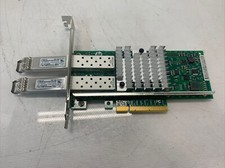
HP 560SFP+ 10GB 2-port PCIe NIC Ethernet ADAPTER 669279-001 w/ (2) 10GB SFP+
$16.99
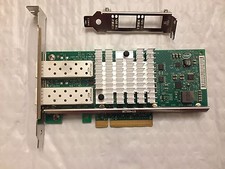
Intel X520-DA2 10Gb 10Gbe 10 Gigabit Network Adapter NIC Dual Port E10G42BTDA
$28.94

For Cisco SFP-10G-T-X Transceiver Multi-Rate 1G/2.5G/5G/10G SFP+ to RJ-45 Module
$66.31
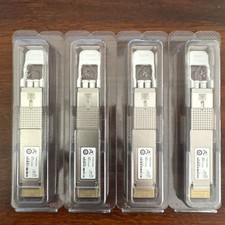
Cisco Acacia DP04QSDD-E25-840 400G QSFP-DD Coherent DCO Transceiver Module
$699.99

Cisco WS-C3650-12X48UR-L 48-Port Stackable Layer 3 8x10G SFP+ Port Switch
$129.99



 Reply With Quote