-
Administrator
Site Admin-

Originally Posted by
Phar_Ted
I just did some research on my rj 45 LAN jack, and yes I've seen for myself the info on this, it is for ethernet. I'm mucho clearo now!
I'm going to have to buy a cable, a twisted one like you said is the kind to get. And of course a router, I'll read the package for linux compatability (or are all routers compatable?)
And also I would have to agree that USB is slower for the net, for high speed cable I get bogged down quite a bit, and my comp is only a few months old and is fairly powerful. I can't wait to see if there is a difference, perhaps that's the answer to that problem.
You'll want a CAT-5 (or CAT-5e) cable. Prices can vary greatly; some dealers here in the U.S. will try to charge $29.99 for a modest length one, while some small shops will sell you one for $2.99 to $4.99 and I've found them for 99 cents mail order. I'm not clear on why you need to buy one though, you said you had your computer connected by Ethernet before so in theory you should have the cable. Don't look for the word twisted, look for Cat-5. Or just go to a small computer store that you trust will not cheat you and tell the salesguy what you need. Radio Shack and Best Buy sales people will not have a clue and will try hard ti get you to buy that $29.99 cable. Cables are usually available in a variety of lengths, 1 foot, 6 feet, 10 to 15 feet, 25 feet and 50 feet being common sizes, so do know the length you want. I generally use a short cable between the router and modem and locate the router near the modem, but some users may have different needs.
Most routers will come with a short ethernet capbe (1 to 6 feet in length), so you may not need to buy another one if adding a router. (My first Linksys didn't include a cable but all other since that have, and Linksys may even include a cable now). In fact, with the crazy high prices some stores want for a ethernet cable (or even a USB cable for a printer), it may actually be cheaper to buy a router with a cable and then throw away the router than to just buy the cable! You can, of course, buy the parts and make your own, but a good pair of crimpers is expensixe and not usually worth doing this unless you plan on making a number of cables.
Routers will not mention Linux capability on the package. In general all of these devices will work with Windows, Apple, Linux, or any other ethernet based system. I had one old Belkin router that did not do DHCP properly with Knoppix. The router could be made to work, but you had to use netcardconfig to set up the ethernet settings after DHCP failed. The Belkin support people had heavy Indian accents and no clue, although they could talk you through manually setting up the router if you could translate their Windows oriented instructions into Linux settiings.. I've used routers from SMC, Netgear, Linksys, D-link, and NexLan with no problems, and the Belkin that I had problems with is no longer made. While there is always a chance that you might run into Linux problems (the manufacturers generally only test their products with Windows), my advice is to expect that you will not. You are much more likely to have other hardware or firmware issues with a router than Linux compatabilty issues.
Similar Threads
-
By JustinSL in forum Networking
Replies: 6
Last Post: 04-25-2005, 02:38 PM
-
By Neuling in forum Networking
Replies: 1
Last Post: 02-13-2005, 11:28 PM
-
By gandalf1967 in forum Networking
Replies: 2
Last Post: 09-02-2004, 02:45 PM
-
By beetlebz in forum Networking
Replies: 6
Last Post: 06-21-2003, 09:27 PM
-
By Slimboy in forum Hardware & Booting
Replies: 2
Last Post: 03-20-2003, 12:40 AM
 Posting Permissions
- You may not post new threads
- You may not post replies
- You may not post attachments
- You may not edit your posts
-
Forum Rules

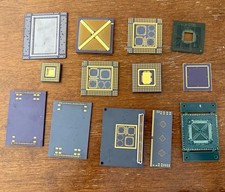
Vintage Intel Mainframe Server MCM CPU Substrate Lot Prototyping PGA Validation
$500.00
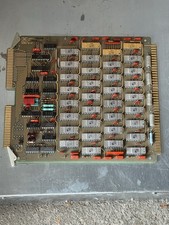
HP 5060-8359 8K Semiconductor Memory Module 5080-9747 Vintage HP Computer
$224.72
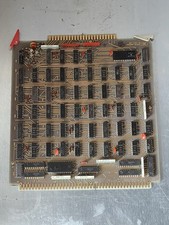
HP 13210-60001 Disc Drive Interface PCB HP 7900A 7901A Vintage
$225.61
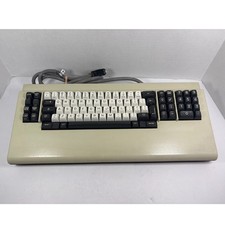
Vintage Telex 952003-112 Mechanical Terminal Keyboard IBM 3270 Mainframe DB25
$799.00
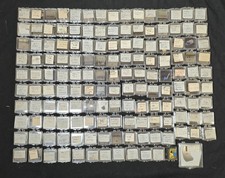
Vtg IBM Mainframe Prototype Chip Module Lot 146 pc 1988-1993 ES/9000 Lab Arcive
$649.00
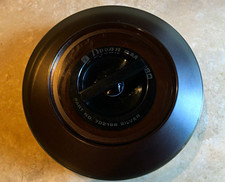
Vintage Mainframe Computer Disk Drive Pack Dyson SMD 5 Level Disks
$79.00
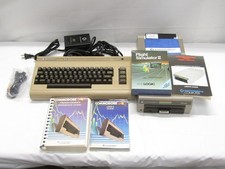
Commodore 64 PC with Model 1541 Diskette Drive and Flight Simulator II *READ*
$199.99
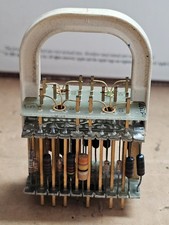
Rare Vintage Mainframe Burroughs Discrete-Transistor Cordwood Module B2500/B5000
$99.95

Vintage UNIVAC 3620670-01 Mainframe Logic Board 15MHz Sperry Computer PCB
$98.95
IBM 3274-51C Controller 3270 mainframe 8" floppy tested to power on
$500.00



 Reply With Quote