-
Can't connect to the internet
Celeron 600mhz processor
256mb ram
20gb hdd
Verizon FIOS
Hello. I just installed Knoppix on a friends computer. When I ran it from the livecd the computer connected to the internet fine, but after I installed it I can't get a connection. What do I need to do to get it to connect?
-
Senior Member
registered user
-
Thanks for the reply, and the links. I'm reading through them.
-
Administrator
Site Admin-

Originally Posted by
khansolo
Thanks for the reply, and the links. How would I go about doing a pure Debian install? If I sound dense it's just because I want to make sure I do it right.
later edited, making my response look like oit was to a question never asked!
If you have a high speed internet connection I would suggest doing a net-install. That is where you download a small installer and install the rest across the internet. Alternately you can download one or more full CDs or even DVDs and install from them. But while this technique works find for users without an internet connection, I find it a pain since then I sometimes am asked to dig out my old install disk when I want to apt-get some new program (since Debian knows it's on the disk that I already have).
Of you do decide to go with full size CD or CDs you certainly don't want to go with multiple CDs. Everything that you need or are likely to install is on the first CD, but there are many more CDs in the full set and you are likely to never install anything form most of them. Don't waste time and money making a full set that will be outdated before you ever use it.
Beyond that, you will pick which version of Debian that you want to use. Debain has a popular version called Etch, also know as stable, that may work for you but is pretty old. I only recommend stable for mission critical applications. There are newer versions termed testing and unstable. In spite of the terms, I think you will find that these versions of Debian are much more stable than any version of Windows that you have ever used. They just go through a very extensive testing process before new software changes make it to the the older "stable" version.
You'll also want to pick which platform that you run on. For most users that is i386. But if you have a 64 bit cpu you can run either i386 or a version compiled specifically for the Intel or AMD 64 bit processors. And there are versions for other CPUs on the same page. But for most users i386 is a good choice.
This page should link you to the current testing (Sid) version Debian. The first line of links for the various ISO files is what you likely want, the i386 business card iso is 36 meg, the somewhat larger net-install is 140 meg. I so no reason to use the 140 meg version, I would get the business card image, burn it to a CDRW, and try an install or two (when I got started with this I did multiple installs just to learn my options).
During the install process you will most likely want to be sure to choose the "desktop install" when asked about the type of install, assuming that you want a full GUI installed. This will install gnome, but you can later apt-get install kde or any additional GUI that you want.
-
Originally Posted by
Harry Kuhman
Originally Posted by
khansolo
Thanks for the reply, and the links. How would I go about doing a pure Debian install? If I sound dense it's just because I want to make sure I do it right.
later edited, making my response look like oit was to a question never asked!
If you have a high speed internet connection I would suggest doing a net-install. That is where you download a small installer and install the rest across the internet. Alternately you can download one or more full CDs or even DVDs and install from them. But while this technique works find for users without an internet connection, I find it a pain since then I sometimes am asked to dig out my old install disk when I want to apt-get some new program (since Debian knows it's on the disk that I already have).
Of you do decide to go with full size CD or CDs you certainly don't want to go with multiple CDs. Everything that you need or are likely to install is on the first CD, but there are many more CDs in the full set and you are likely to never install anything form most of them. Don't waste time and money making a full set that will be outdated before you ever use it.
Beyond that, you will pick which version of Debian that you want to use. Debain has a popular version called Etch, also know as stable, that may work for you but is pretty old. I only recommend stable for mission critical applications. There are newer versions termed testing and unstable. In spite of the terms, I think you will find that these versions of Debian are much more stable than any version of Windows that you have ever used. They just go through a very extensive testing process before new software changes make it to the the older "stable" version.
You'll also want to pick which platform that you run on. For most users that is i386. But if you have a 64 bit cpu you can run either i386 or a version compiled specifically for the Intel or AMD 64 bit processors. And there are versions for other CPUs on the same page. But for most users i386 is a good choice.
This page should link you to the current testing (Sid) version Debian. The first line of links for the various ISO files is what you likely want, the i386 business card iso is 36 meg, the somewhat larger net-install is 140 meg. I so no reason to use the 140 meg version, I would get the business card image, burn it to a CDRW, and try an install or two (when I got started with this I did multiple installs just to learn my options).
During the install process you will most likely want to
be sure to choose the "desktop install" when asked about the type of install, assuming that you want a full GUI installed. This will install gnome, but you can later apt-get install kde or any additional GUI that you want.
Sorry didn't mean to make you reply look oit. At first I thought I could do the install from the livecd I had then I realized, after I replied, that I would need to download a Debian iso. I thought the forum would show that I had edited my post. New to asking for help usually I can find the answers searching, but this has me stumped.
I also left out an important point about why I installed Knoppix. It's because Knoppix, and Damn Small Linux, were the only livecds that would actually load the gui. I tried a couple different versions of Ubuntu and CentOS.
Similar Threads
-
By Joey6 in forum Networking
Replies: 4
Last Post: 01-17-2007, 01:20 AM
-
By jacksonon in forum Networking
Replies: 6
Last Post: 09-13-2006, 09:27 PM
-
By solbergg in forum Networking
Replies: 4
Last Post: 03-10-2006, 03:11 AM
-
By simplyskate in forum Networking
Replies: 10
Last Post: 04-28-2005, 06:45 PM
-
By THiM in forum Hardware & Booting
Replies: 5
Last Post: 05-19-2003, 07:27 PM
 Posting Permissions
- You may not post new threads
- You may not post replies
- You may not post attachments
- You may not edit your posts
-
Forum Rules

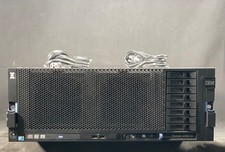
IBM System X3850-X5 Server w/4x Intel Xeon E7-4870 CPU , 512 GB DDR3 RAM,NO HDD
$1599.99
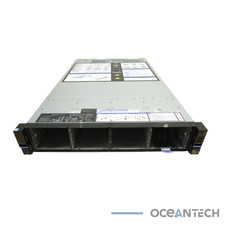
IBM QRadar xx29 2x Xeon E5-2650v4 2x 900W PSU M5120 12x 3.5" Bay Server No RAM
$179.99
DELL POWEREDGE HP IBM SERVER XEON GOLD 5315Y 8 CORE PROCESSOR 3.2 GHZ SRKXR
$1100.00
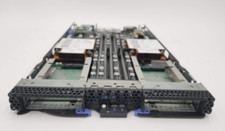
IBM ADP Server Type 7870 AC1 NO HDD | 128GB RAM PC3L | 2 x Xeon E5620
$199.99

IBM X3650 M5 5462-AC1,2 X E5-2640V3 2.6GHZ 8C, 16 GB, DUAL 750W, 2 X 1TB SERVER
$349.99
IBM SYSTEM X3500 M3 SERVER 7380AC1 TOWER Server XEON E5620 8GB RAID SEE NOTES
$111.70
IBM System x3550 M3 1U Server 2x Xeon E5645, 192GB RAM, 2x 300GB HDD (7944-AC1)
$150.00
IBM Power 720 8202-E4B Server - POWER7 4-Core 3GHz, 8GB, 2x 146GB HDD, 1725W PSU
$450.00
IBM X3650 M4 Server System Board 00MX553 00AM209 00Y8499 00Y8457 00D2888 00W2671
$230.00
IBM 7915 AC1 M4 E27R704 Server Intel 2650V2 32GB RAM NO HDD w/ 2x 750w PSU
$225.00



 Reply With Quote