-
Senior Member
registered user

Originally Posted by
kl522


I wonder this feedback is typical or not. If we think this is typical, then perhaps doing the remastering in VirtualBox is not so good an idea. Instead of completing the task of remastering, one ends himself up in learning how to use virtualbox.
Some time ago I proposed a remastering using a typical poor-man install. Of course, as usual, I am not a very patient guy, I never carry the idea all the way through but I ***THOUGHT*** Forester later came out with a script which make it even more friendly. He published the script somewhere. Though I haven't use it but I think remastering using this method is a better approach. I don't like the 'chroot' method because I think in a typical 'chroot', the final system behaviour is only tested during the few hours of 'chroot' - which is often inadequate to represent the final thing the user want to see and there maybe some "side-effects" which were not noticed during the few hours of usage. Whereas using 'poor-man' install, what you see is what you get. There is no urgency to remaster if you think it is not yet proven stable. You can remaster after 3 months of usage if you like.
I tend to support this.
I have used Forester's script as a starting point, the method works very well for me, but I want to debug my script version a bit before I post it. As for chroot, it may of course be used, but I think it is a great advantage to avoid it, as I do now. The simplified method concentrates on the cloop/squashfs and persistent images, and leaves everything else alone. Except, of course, for changes made to scripts in the poor man's install being copied over to the new version.
Remember, it is only for CD/DVD use we need to create the final ISO image nowadays. So why bother if that is not the goal? I am running my remastered version from all sorts of media, and, when I have reached kind of final version, I may create a DVD. But I'm far from there now,
But this doesn't mean I think remastering through VMs needs to be a bad idea. In particular, when using tools like Virtualbox daily, it can be efficient. For my own part, however, I wouldn't even consider trying VMware Workstation, the tool I use, for this. And there is no need, really, to involve anything else than basic Knoppix here. Just drop the Knoppix package, with persistent image, onto an NTFS partition, run Knoppix from there, and if desirable, create another image on that partition for working with the temporary files in the remastering. Standard, simple, speedy and safe (relatively).
 Posting Permissions
- You may not post new threads
- You may not post replies
- You may not post attachments
- You may not edit your posts
-
Forum Rules

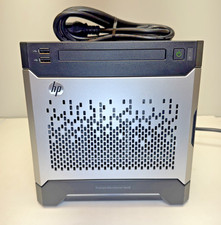
HP ProLiant MicroServer Gen8 G1610T @2.3 GHz, 16GB, 712317-001 NO HDD/OS
$199.00
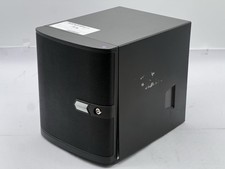
Nasuni NF-50 Supermicro Server, Atom CPU C2558, @ 2.40GHz, 8GB RAM-No HDD/OS/AC
$250.00
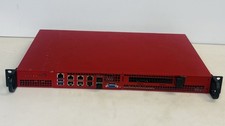
Supermicro 1U Network Server Appliance 16GB RAM 800GB SSD 6 LAN Ports Powers On
$450.00
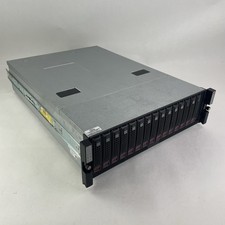
Supermicro CSE-937 3U Storage Chassis No CPU No HDD No Ram Tested & Reset
$129.99

New Barebones Supermicro 5019D Server, 4C/8T Xeon D-2123T, 1U Rackmountable, 10G
$449.99

Supermicro 2U X10DRU-i 2x E5-2680 v3 2.5ghz 32gb Ram 240gb SSD 2x GPU *READ*
$369.99

SuperMicro 4U CSE 847 36 Bay LFF Barebone 2x 1280W w/ 2x Bays 2.5 Rear w/Trays
$499.99
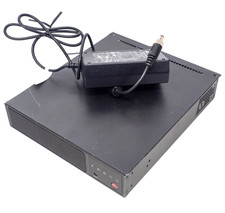
Supermicro E200-8D Barebones Server Chassis Xeon D-1528 X10SDV-6C-TLN4F 2x10GbE
$445.00
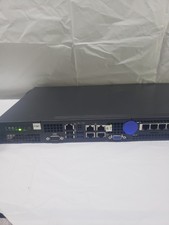
Supermicro 505-2 Server
$280.00
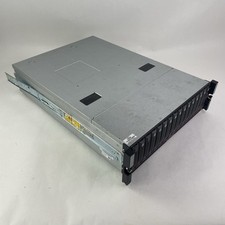
Supermicro CSE-937 3U Storage Chassis No CPU No HDD No Ram Tested & Reset
$129.99



 Reply With Quote